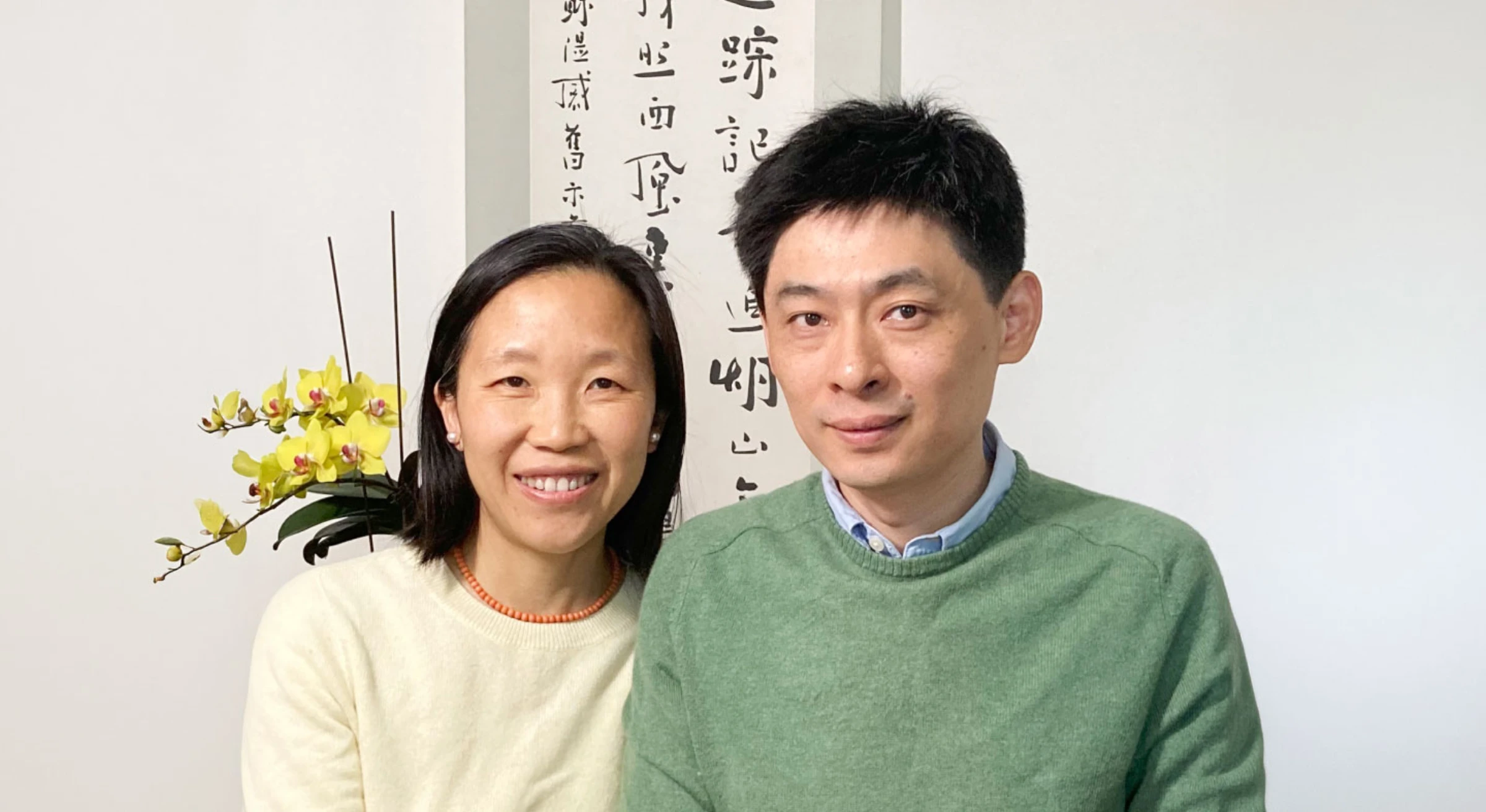
Istanbul Biennial Names Liu Ding and Carol Yinghua Lu to Lead 2027 Edition
The 19th Istanbul Biennial will open in September 2027 under co-curators Liu Ding and Carol Yinghua Lu, signaling a research-heavy edition focused on political volatility and artistic agency.
The Istanbul Foundation for Culture and Arts (IKSV) has appointed Liu Ding and Carol Yinghua Lu as curators of the 19th Istanbul Biennial, scheduled for September 18 through November 14, 2027. The announcement places one of the most watched biennials in a hands-on curatorial framework built through long collaboration, rather than a one-off marquee appointment. For Istanbul, where each edition is read as both a local and geopolitical signal, that matters immediately.
According to the announcement on Artforum, admission will remain free, preserving a core structural feature of the biennial. In practical terms, free access keeps audience scale high and broadens the institution’s public function at a time when large exhibitions are increasingly pressured by sponsorship dynamics, travel economics, and polarized culture politics.
Liu Ding, an artist and curator whose practice examines how narratives are assembled and legitimated, joins Lu, an art historian and the director of Inside-Out Art Museum in Beijing. Lu previously held senior roles at OCAT Shenzhen and worked with Asia Art Archive. Their shared track record includes co-artistic direction of the 2024 Yokohama Triennale, an important data point for collectors and institutions tracking how curatorial teams build continuity across cities.
Though the curators have not announced a formal exhibition theme, their public statement frames the edition as a response to political volatility and algorithmic mediation. The language is pointed: they argue that art has drifted toward an elsewhere condition, often pursuing technological distraction rather than confronting present social conditions. This is not only rhetoric. It implies a selection logic likely to favor artists working with material politics, institutional critique, and forms of historical re-reading over spectacle-first production.
For galleries and private collections, the announcement arrives early enough to shape lending and acquisition strategy. Biennial invitations can significantly shift institutional visibility for artists already operating in regional circuits but under-indexed in Western museum programming. Curatorial teams with strong research habits often rebalance that map. If Liu and Lu apply the same method seen in prior work, the shortlist may foreground practices that carry conceptual rigor and archival depth, including work that does not travel as quickly through the fair ecosystem.
For Istanbul itself, the appointment also lands inside a longer story about transnational art infrastructure. The city’s biennial has historically been a site where local debates and broader fault lines overlap: censorship, public space, migration, and post-imperial memory all recur. A curatorial duo explicitly invoking agency and sovereignty suggests the 2027 edition may test whether major exhibitions can still produce shared critical attention rather than fragmented social-media cycles.
The key question now is execution: artist list, venues, and commissions will determine whether this frame becomes a disciplined exhibition or an abstract premise. But on announcement day, IKSV has made a clear move. It selected curators with a long partnership, a research-centered method, and a declared refusal of passive commentary. In the current biennial landscape, that is a substantive editorial position, not a neutral administrative one.