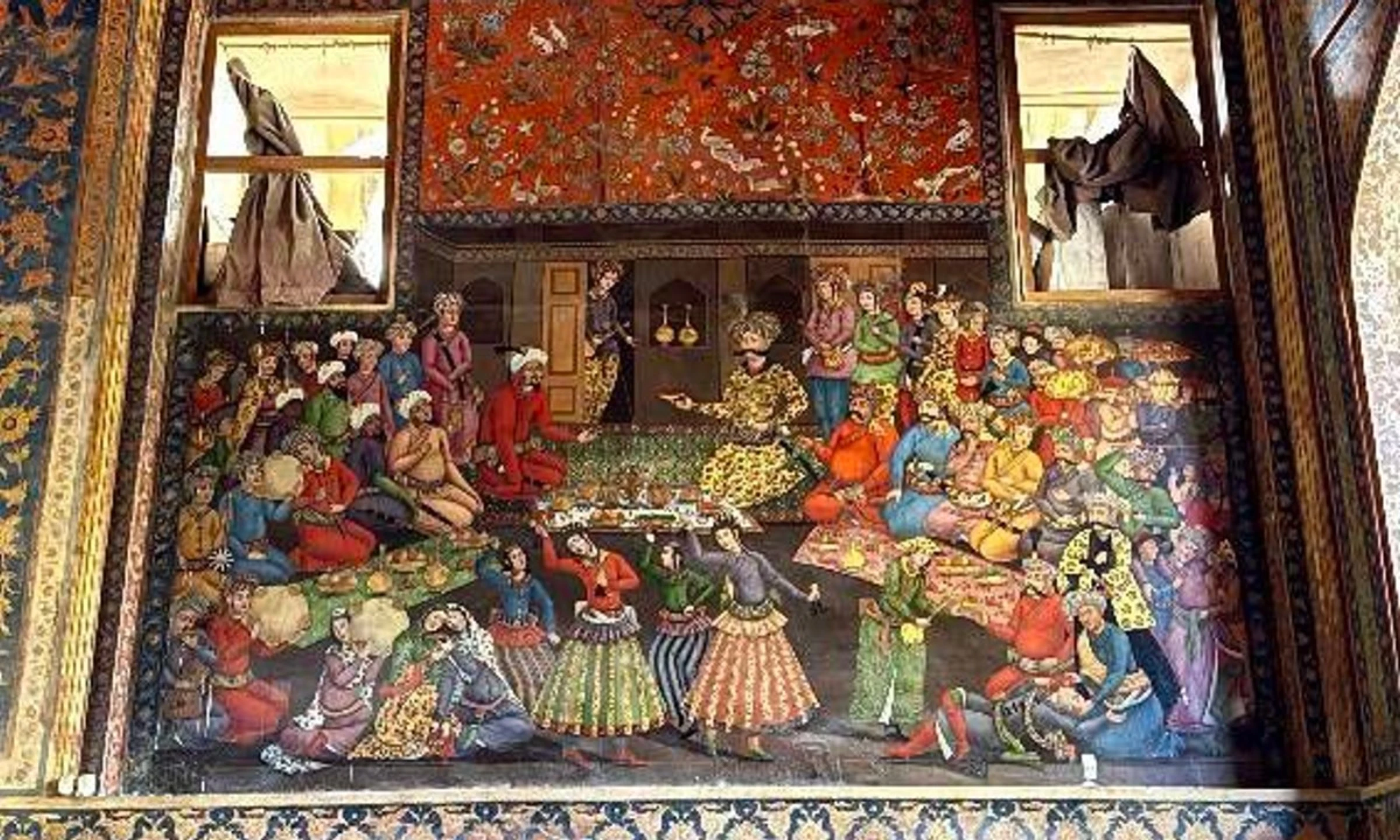
Damage reported at Isfahan heritage sites as conflict pressure grows on cultural protection systems
Iranian authorities and local reports indicate damage across major heritage sites in Isfahan following nearby strikes, renewing scrutiny of wartime protections for cultural property under international law.
Local reporting in Iran indicates that multiple historic sites in Isfahan sustained damage after nearby strikes, adding pressure to international mechanisms designed to shield cultural property during active conflict. The immediate concern is not only physical impact at specific monuments, but the cascading conservation risk that follows when already fragile structures absorb shock.
Local reporting cites damage around the Dawlatkhaneh complex and nearby heritage zones in Isfahan, including impacts reported at or near Chehel Sotoun and components of the Naqsh-e-Jahan urban core.
Isfahan occupies a central position in Iranian architectural and urban history. Its Safavid-era palaces, ceremonial spaces, mosques, and decorative programs are not isolated artifacts. They remain embedded in dense civic life, which makes emergency stabilization logistically complex when security conditions remain unstable.
Officials described broken windows, damaged fittings, and concern for historic surfaces and decorative elements. In conservation terms, first-order visual damage is only one layer. Vibration events can destabilize plaster, tile adhesion, painted surfaces, and wooden elements that may fail gradually over weeks without immediate intervention.
Authorities have reportedly expanded use of Blue Shield emblems at museums and heritage locations. The symbol is recognized under the 1954 Hague Convention framework and is intended to mark cultural property for protection. In practice, however, marking does not guarantee immunity when combat intensity rises and targeting environments become chaotic.
The policy challenge is familiar: legal architecture exists, but verification and enforcement tools lag behind battlefield tempo. Heritage ministries can document damage and request support, yet rapid international assessment capacity is often constrained by access limits, security restrictions, and politically contested information channels.
For emergency teams on the ground, the first priorities are technical and time-sensitive: site documentation, debris control, weather protection, and temporary stabilization to prevent secondary deterioration. Once moisture, dust, and structural stress enter compromised envelopes, restoration complexity and cost escalate quickly.
Conservation triage in active conflict zones is rarely linear. Teams must make sequencing decisions with incomplete access and uncertain security windows. High-value painted interiors, carved wood elements, and tile fields may require temporary shielding before full condition analysis is possible, which means recovery planning begins before comprehensive data is available.
A second pressure point is evidentiary integrity. If damage records are inconsistent, later legal and diplomatic action weakens. That is why agencies such as ICOMOS and technical partners emphasize standardized documentation protocols, geotagged imagery, and secure chain-of-custody for field reports and media files.
The current reports follow earlier warnings about damage to other high-value sites in the region, suggesting a widening pattern of heritage exposure rather than an isolated incident. That trend matters for planning because repeated shocks degrade national conservation systems that are already operating under strain.
International actors including UNESCO and Hague-convention partners face a credibility test. Public statements of concern are expected, but institutions are increasingly judged on whether they can mobilize independent technical monitoring, evidence preservation, and coordinated emergency support in near real time.
For global cultural policy, the Isfahan case sharpens an unresolved question: can heritage law move from declarative norm to practical deterrent during contemporary warfare. Without faster enforcement pathways and stronger accountability, protection regimes risk becoming symbolic precisely when irreplaceable urban heritage needs concrete defense.