Ibrahim Mahama Says Assault by Police Unit Has Halted His Schedule, Opening a Wider Test for Ghana’s Cultural Institutions
After alleging a violent attack by police in Tamale, artist Ibrahim Mahama says he is considering legal action, while Ghanaian cultural organizations call for an independent investigation.
Ghanaian artist Ibrahim Mahama says he was assaulted during a traffic confrontation in Tamale involving officers he identified as members of a special police unit, and that the injuries have forced him to postpone major international commitments. The account, published through local media and then amplified across art networks, has moved quickly from a personal incident to a structural question about how states protect, or fail to protect, the cultural figures they celebrate abroad.
Mahama’s allegations are specific: he and a family member were attacked after an exchange during a traffic bottleneck following Eid prayers; he reports dental injury, rib pain, headaches, and disrupted sleep. The Northern Regional Police Command has disputed the claim that the named unit was present and says investigations are underway. The legal process will determine facts and responsibility. But the institutional stakes are already visible, because this concerns one of Ghana’s most internationally recognized artists and one of its most active builders of local cultural infrastructure.
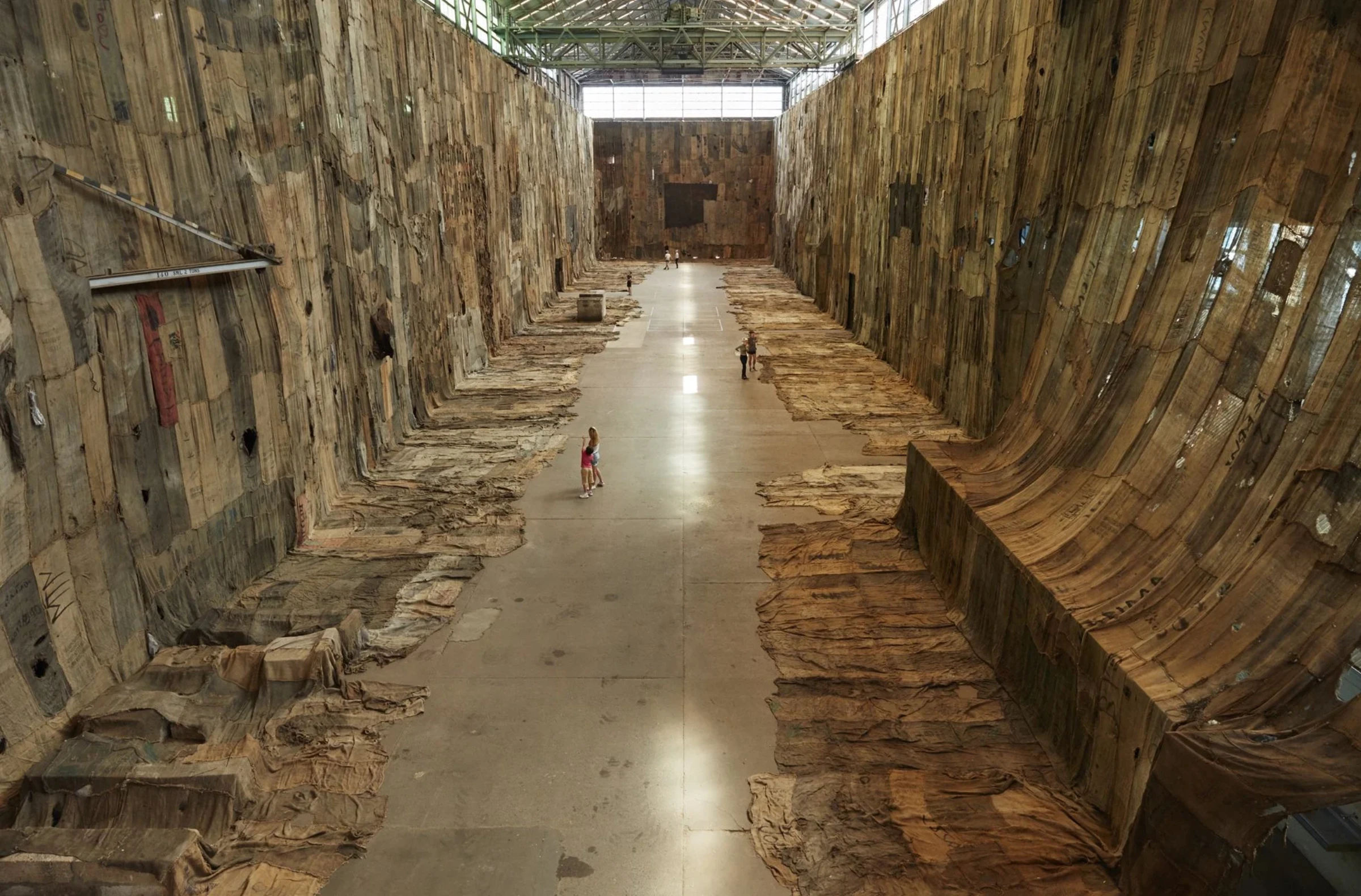
Mahama is not only a studio practitioner with biennial visibility. Through platforms including the <a href='https://www.scca-tamale.org' target='_blank' rel='noopener'>Savannah Centre for Contemporary Art and allied initiatives in Tamale, he has redirected market success into residency, archive, and education ecosystems in northern Ghana. Those spaces fill gaps that ministries and municipal budgets often leave open. When a figure performing that civic role is publicly injured and says his work calendar has collapsed, the policy question expands beyond criminal liability to continuity planning for cultural institutions.
The immediate effects are practical. Lectures and travel associated with universities and art venues in the United Kingdom and elsewhere were reportedly postponed. That interruption carries reputational cost for partners and sunk cost for organizers. In an art economy built on tightly timed openings, talks, and fundraising cycles, health disruptions translate directly into institutional friction. Boards and directors may now reassess how they conduct risk assessments for invited speakers from regions where policing disputes can escalate unpredictably.
Ghanaian arts organizations have responded with public demands for an independent inquiry, signaling a coordinated civil-society stance rather than isolated statements. This is significant. Independent investigation language usually appears when confidence in internal disciplinary systems is low or when credibility requires external oversight. If the inquiry is robust, authorities can rebuild trust through process transparency. If it appears procedural only, mistrust between cultural sectors and law enforcement will deepen.
For museums and collectors outside Ghana, this moment should not be treated as distant or exceptional. Contemporary art is increasingly transnational in logistics but local in vulnerability. Curators frequently rely on artists who maintain active social commitments in their home regions, and those commitments can place them in direct contact with state systems under stress. International programming that ignores this reality is not neutral, it is unprepared.
The incident also reframes cultural diplomacy. Governments often mobilize successful artists as symbols of national innovation, then treat artist safety as a private issue unless public pressure escalates. That split is untenable. If cultural prestige is public policy, then safeguarding cultural workers must be public policy as well, especially in moments where allegations involve state actors. Otherwise, diplomacy asks artists to carry symbolic value without reciprocal institutional protection.
The next phase is straightforward: independent fact-finding, transparent updates, and legal due process. Anything less will leave a vacuum filled by speculation and factional narratives. Mahama’s case now sits at the intersection of rights, governance, and culture-sector stability. The art world will watch not only what happened in Tamale, but how Ghana’s institutions decide what accountability looks like when one of the country’s most visible cultural citizens says the state failed him.