Guggenheim Staff Rally During Carol Bove Opening as Contract Talks Intensify
Unionized Guggenheim workers rallied outside a Carol Bove event while pressing for stronger terms in second-contract negotiations amid ongoing staffing pressure.
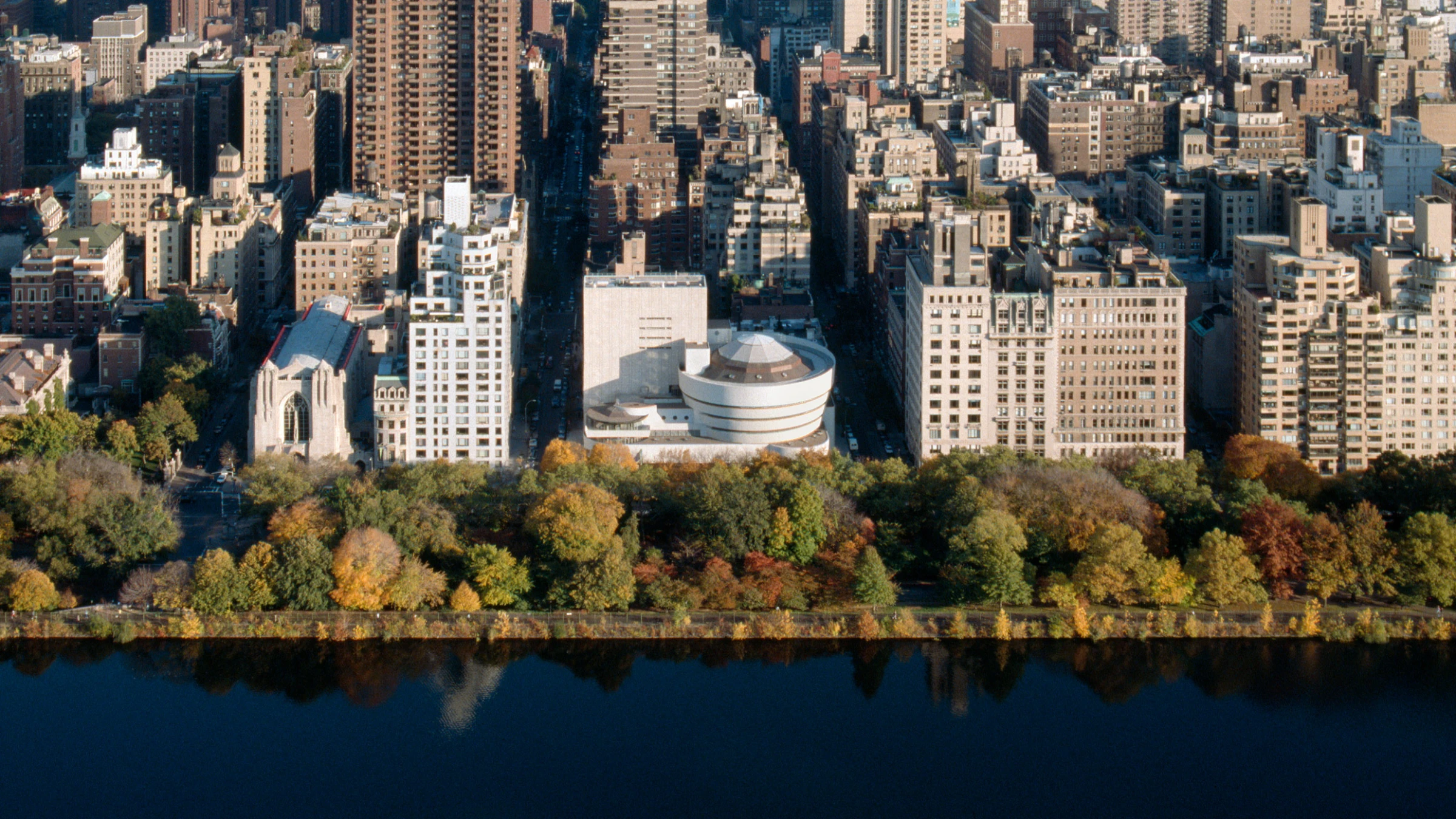
Unionized employees at the Guggenheim rallied outside the museum during events surrounding the new Carol Bove presentation, using the high-visibility opening to pressure management in second-contract negotiations. Staff represented on the line included educators, archivists, visitor-facing teams, and other departments that support daily public operations. Their central argument was structural: ambitious programming cannot be sustained if compensation, staffing levels, and job security remain unresolved.
The action follows a difficult period in which the museum reduced headcount across departments, intensifying workload concerns among remaining staff. Union representatives have emphasized wage floors, benefits costs, and protections against arbitrary role compression as core priorities in talks. Management has pointed to financial constraints and reorganization pressures familiar across the sector, but workers say the current terms are misaligned with New York cost realities and long-term retention goals.
What made this rally notable was not only timing but framing. Rather than positioning labor as separate from curatorial excellence, organizers tied staffing conditions directly to visitor experience, collections care, and educational continuity. That framing reflects a wider shift in museum labor politics: contract language is increasingly treated as part of institutional governance quality, not simply HR administration.
The rally linked labor negotiations to museum mission, arguing that programming ambition is inseparable from stable staffing and equitable compensation.
For boards and leadership teams, the practical implication is that contract cycles now carry reputational as well as operational risk. High-profile openings, donor events, and press moments are no longer insulated from bargaining dynamics. When labor disputes surface alongside marquee exhibitions, the institution's public narrative can rapidly shift from program to governance.
The Guggenheim talks also sit within a broader wave of cultural-sector unionization in New York, where workers at major institutions have sought stronger baseline terms after pandemic-era volatility. Whether this round resolves quickly or extends, it will likely be read as a benchmark for how large museums balance fiscal caution with workforce stability in the next programming cycle.
For artists and exhibition teams, this context matters directly. Production schedules, installation quality, and public programming all depend on staffing continuity behind the scenes. When those systems are strained, institutional risk rises even when attendance and donor attention remain strong. That is why bargaining outcomes at major museums now function as infrastructure signals for the wider ecosystem: they affect not just payroll lines, but the reliability of programming promises made to artists, lenders, and audiences.
Negotiation timing is also strategic. Unions increasingly surface demands during moments of peak institutional visibility because those moments best connect labor terms to public mission. From a management perspective, that can feel disruptive; from a governance perspective, it is a signal that workforce stability is now part of institutional credibility. The outcome of this contract cycle will likely influence peer museums preparing their own bargaining calendars, especially where programming ambitions are rising faster than staffing recovery.
For now, both sides are signaling that talks continue, but worker expectations for measurable movement are clearly rising week by week.
Comparable labor and governance context can be tracked through the Guggenheim Museum, citywide museum labor developments at the Metropolitan Museum of Art, and organizing frameworks documented by UAW.