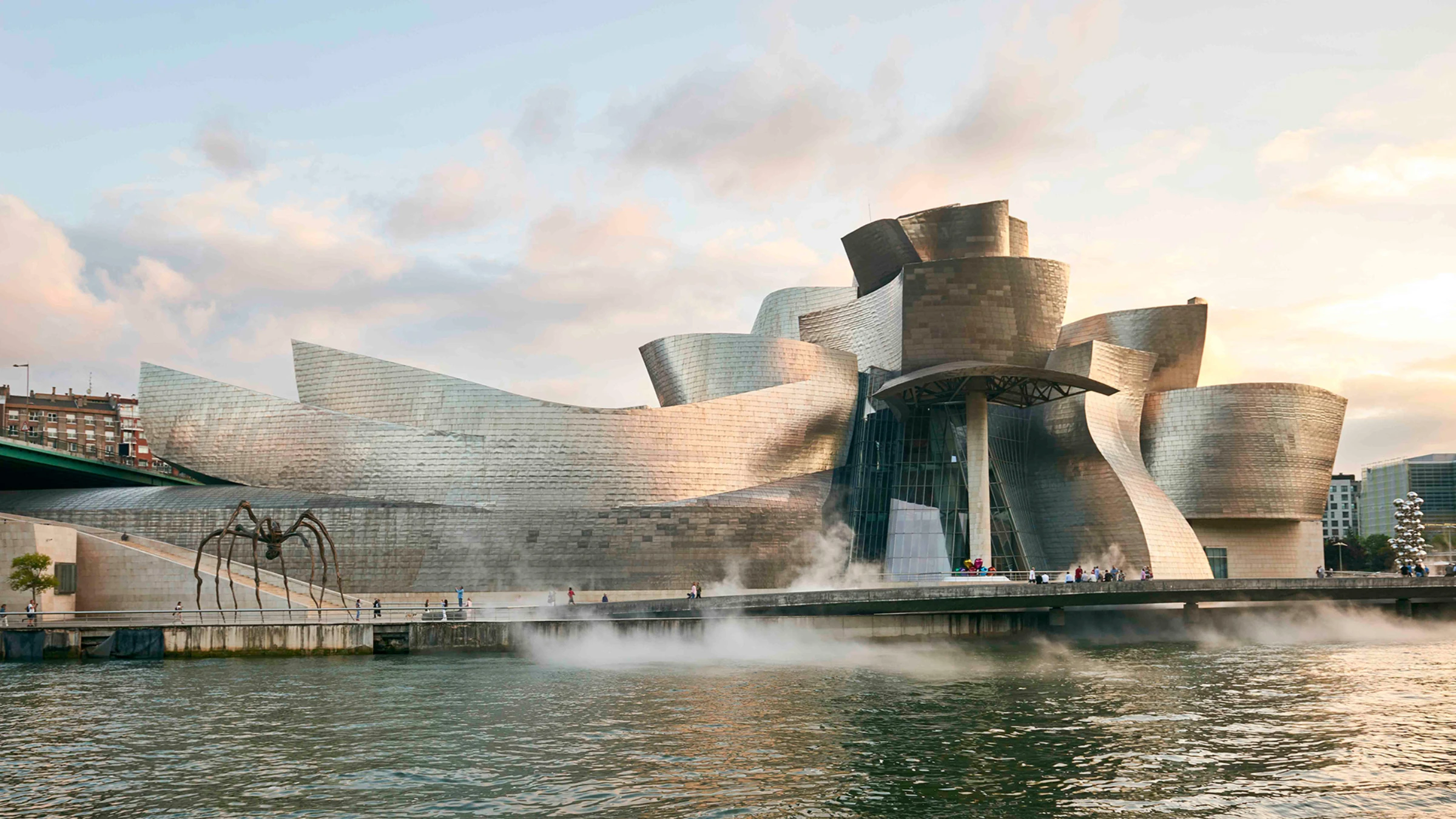
Guggenheim Bilbao Reports Attendance Growth and Strong International Mix in New Annual Update
The Guggenheim Museum Bilbao has released new attendance and audience data showing sustained growth and a broad international visitor base, reinforcing the institution's role in the global museum tourism economy.
The Guggenheim Museum Bilbao has published a new annual audience update indicating continued attendance growth and a robust international visitor mix, extending the institution's long-running reputation as one of Europe's strongest cultural tourism engines. The latest figures, released at the start of March, suggest that post-pandemic normalization in museum travel has evolved into a more stable expansion phase for destination institutions with strong exhibition programming and integrated city infrastructure.
Bilbao's performance is watched closely because it functions as both museum benchmark and urban policy case study. Since opening, the institution has been central to debates about cultural-led regeneration, and each annual report is read beyond the museum sector by city planners, tourism analysts, and regional policymakers. This year's update emphasizes not only aggregate attendance but visitor diversity across domestic and international segments, with repeat visitation patterns highlighted as a key indicator of program relevance.
Attendance has become a blunt metric in museum discourse, but Bilbao's report is more useful than most because it pairs volume with audience composition and repeat-visit behavior. A museum can produce high totals through single blockbuster spikes, yet still struggle with retention or local engagement. By publishing more granular data, Bilbao is signaling confidence in the structural health of its audience model, not just headline numbers.
Attendance has become a blunt metric in museum discourse, but Bilbao's report is more useful than most because it pairs volume with audience composition and repeat-visit behavior.
The update also arrives in a competitive European calendar in which major institutions are fighting harder for travel itineraries. Visitors planning one long weekend now compare museums across cities with near-real-time pricing and scheduling visibility. In that environment, institutional clarity around exhibitions, visitor experience, and programming cadence can influence destination choice as much as architecture. Bilbao's consistency gives it an advantage.
For artists and galleries, audience strength at institutions like Guggenheim Bilbao matters because it expands the impact range of exhibitions and commissions. High and diverse traffic can increase publication pickup, secondary market attention, and long-tail institutional dialogue around participating artists. Museum analytics may seem administrative, but they shape real ecosystem outcomes.
The museum's communication strategy also reflects a broader shift toward data-forward governance narratives. Boards, public funders, and private sponsors increasingly expect evidence that institutions are delivering sustained value across tourism, education, and cultural production. Annual reports that foreground audience quality, not only quantity, are becoming standard in that accountability framework.
No major programming pivot was announced alongside the figures, suggesting the institution sees its current trajectory as stable. That steadiness can be strategic. In volatile operating conditions, continuity itself becomes a signal to partners and funders that institutional planning is credible.
Bilbao's latest numbers do not settle the long debate over replication of the so-called Bilbao effect, but they do reinforce one practical conclusion: sustained international relevance depends less on one iconic building than on long-cycle programming, audience trust, and operational discipline. Those are slower variables to build, and harder for other cities to copy.
For peer institutions tracking Bilbao, the key lesson is methodological as much as strategic. Publicly reporting audience composition, repeat behavior, and programming outcomes creates a stronger management loop than reporting attendance totals alone. In a period defined by scrutiny, that kind of transparency may become one of the museum sector's most important competitive advantages.