Reina Sofía Rejects Bilbao Loan Request for Guernica, Reopening Spain’s Old Cultural Fault Line
Madrid’s refusal to lend Picasso’s Guernica to Bilbao is framed as conservation policy, but it also reactivates unresolved political memory around Basque history and national ownership.
The Museo Reina Sofía has again refused a request to loan Pablo Picasso’s Guernica to Bilbao, citing conservation risk. On technical grounds, the decision is straightforward. The painting is physically fragile, transport introduces unavoidable vibration, and previous stress to the support and paint layer raises the downside of even one move. In Spain, however, no decision about this painting stays technical for long. Every refusal to move Guernica is read as a statement about national authority, regional memory, and control over historical narrative.
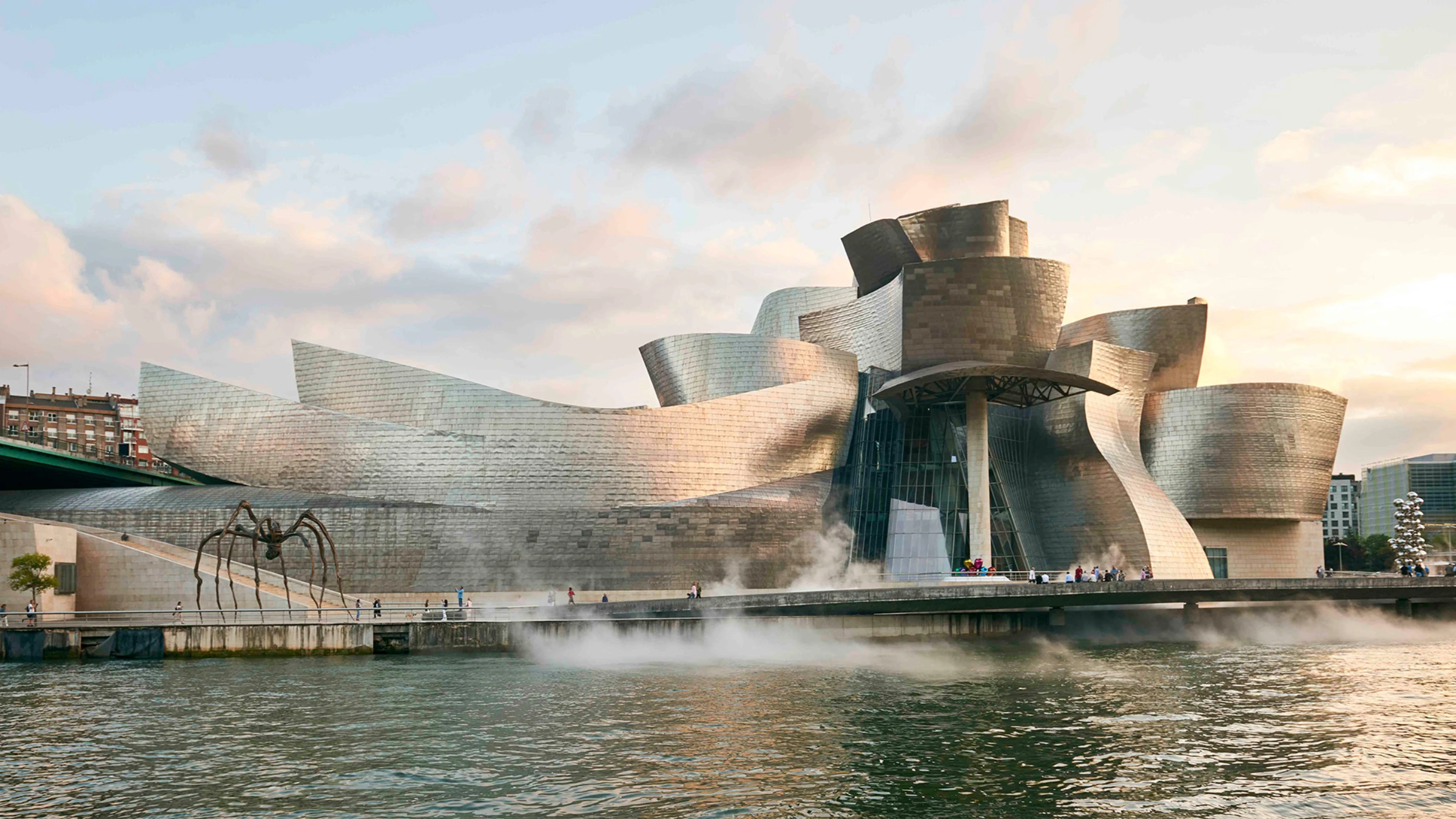
The work remains at Museo Reina Sofía, while the request came from Guggenheim Bilbao as part of commemorative planning linked to 1937, the year of the bombing of Guernica and the founding of the first Basque government. That timing matters. The requested loan was not routine scheduling. It was a symbolic claim that the painting’s anti-war message should be publicly staged in the region tied to the event it memorializes.
The museum’s condition argument remains defensible. Institutions routinely decline travel requests for high-risk works, and most conservators would treat a painting of this scale and sensitivity as a non-mobile anchor object. If the same request concerned a less politically charged work, the refusal might have passed as standard collections management. With Guernica, conservation logic exists inside a politically dense frame that institutions cannot ignore.
History deepens that frame. Picasso completed the work in 1937 and refused its return to Spain during dictatorship. Its long stay at The Museum of Modern Art before repatriation already made the painting part of constitutional memory, not just modernist canon. Once returned, every debate over where it hangs became a proxy for who is authorized to narrate Spain’s twentieth century in public space.
The immediate risk for Madrid is not conservation criticism, it is trust erosion. When institutions invoke fragility without publishing enough condition transparency, refusals can look politically selective even when the technical case is strong. The credibility path is clear: publish more conservation evidence, clarify transport threshold criteria, and explain why alternative commemorative models cannot satisfy the request. Silence invites reinterpretation.
For Basque officials, the likely next step is procedural pressure through ministry channels rather than symbolic escalation alone. Negotiations can still produce outcomes short of a loan: joint archival programming, high-spec facsimile installations with curatorial oversight, or shared research initiatives that acknowledge regional claims without moving the object itself.
The decision keeps Guernica in Madrid for now. The larger issue remains unresolved. Spain’s museums are being asked whether they can uphold conservation ethics while handling regional historical claims with equal rigor. On that question, the refusal is an event, not a conclusion.
Internationally, the case will be watched as a precedent for handling immovable masterworks tied to regional trauma. Museums everywhere are balancing similar pressures: conservation duty, public commemoration, and territorial symbolism. The institutions that manage this well are those that publish criteria before controversy, not after it. By establishing decision frameworks in advance, they reduce the appearance of ad hoc politics and preserve trust even when outcomes disappoint powerful stakeholders.