Glasgow International 2026 Expands Its Citywide Program Around Labor, Migration, and Ecology
The 11th Glasgow International lays out a distributed model across institutions and neighborhood spaces, with commissions focused on labor history, migration, and collective memory.
Glasgow International has released the full framework for its 2026 edition, and the structure of the program matters as much as any single commission. The event is scheduled to run from 5 to 21 June, but the key decision is spatial: organizers are leaning into a distributed city model that combines institutional venues, artist run spaces, and community sites rather than concentrating authority in one curatorial core.
According to the announcement, the edition led by director Helen Nisbet foregrounds ecology, labor, migration, and collective memory. Those are familiar themes in biennial language, but here they are paired with a practical infrastructure strategy. A distributed platform allows the festival to stage different scales of work while reducing dependence on one building, one audience profile, or one type of funding logic.
The institutional backbone includes venues and partners across Glasgow's art ecology, including interfaces with organizations such as Glasgow International, Gallery of Modern Art, and Tramway. For artists, this creates differentiated contexts for installation, performance, and moving image work rather than forcing every project into one standardized exhibition grammar.
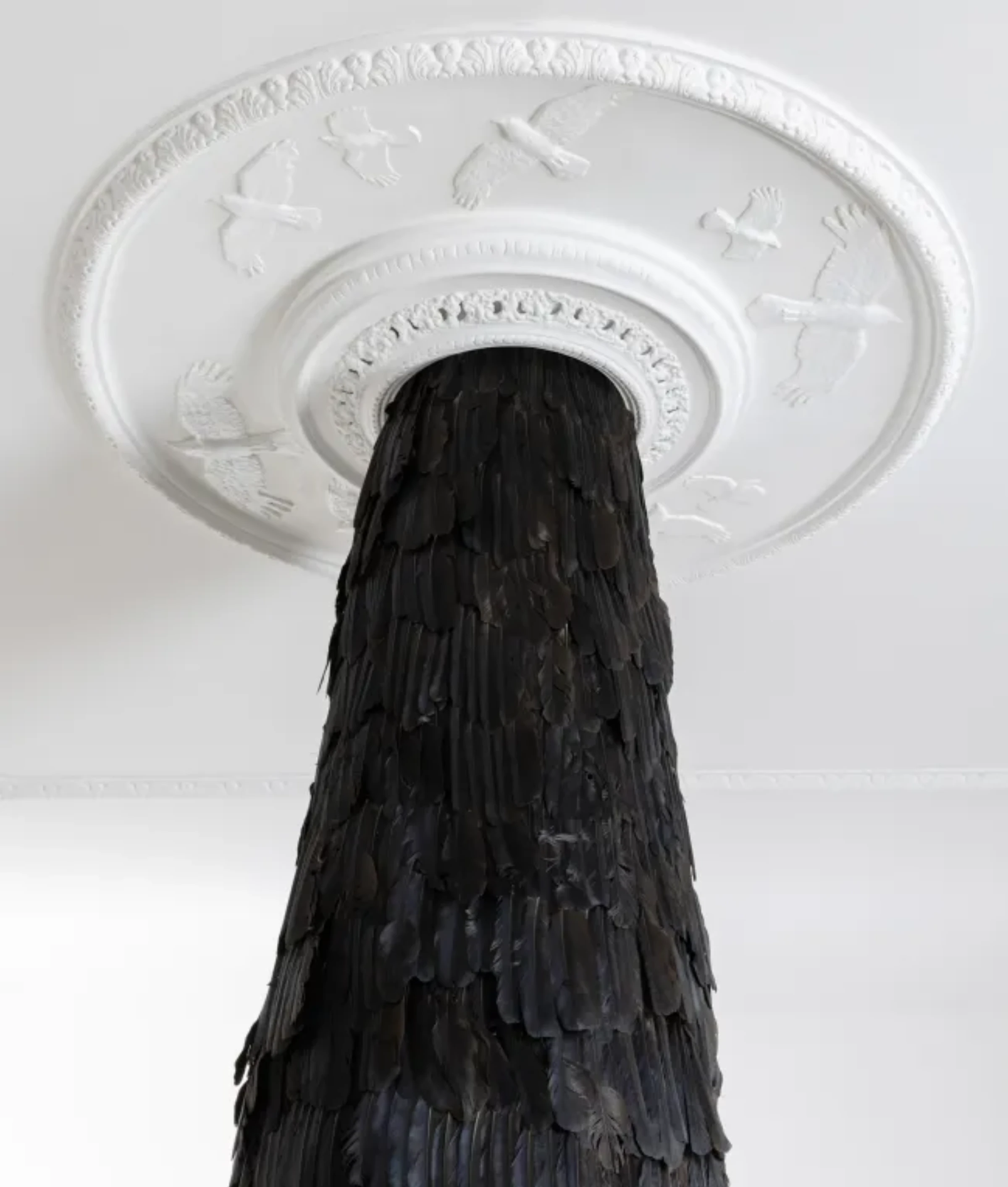
The artist list points to that range. New commissions are expected to span textile based installation, film, sculpture, and socially embedded practice. That plurality is significant in a market cycle where production costs remain high and institutions are increasingly cautious about mounting technically heavy exhibitions without shared support. A citywide model can pool audiences while segmenting production risk.
The return of the free Gathering public program, including talks, workshops, and performances, also signals a policy choice. Free access events are not peripheral outreach. They are audience architecture. They shape who enters the biennial discourse and who stays outside it. In a period when cultural participation is often stratified by cost and time, this design choice has direct consequences for legitimacy.
A second structural move is the Special Projects initiative, which spotlights neighborhood based organizations. That puts pressure on the old center periphery split that many biennials reproduce by habit. If executed with real commissioning support rather than symbolic inclusion, neighborhood partnerships can alter who gets paid, who gets visibility, and who defines the terms of local relevance.
Glasgow already has the kind of civic scale where these experiments are testable. Institutions like CCA Glasgow and educational pipelines at The Glasgow School of Art have long contributed to a dense production ecosystem. The biennial can either leverage that ecology with precision or flatten it into a tourism package. The announced structure suggests the first path is at least being attempted.
The risk is coherence. Distributed programs can become conceptually diffuse if curatorial links remain rhetorical. Viewers can tolerate complexity, but they still need trajectories that explain why projects speak to one another beyond the convenience of calendar alignment. The organizers now need to show how thematic commitments travel from press language into sequencing, commissioning criteria, and site specific decisions.
For funders and peers watching from other cities, Glasgow International 2026 is a governance case as much as an exhibition case. If the edition succeeds, it will show that biennials can build durable public value by combining institutional weight with neighborhood scale and free civic programming. If it fails, the problem will likely be execution discipline, not ambition.