Getty Sets a 2027 Closure Window as Los Angeles Museum Infrastructure Enters Upgrade Cycle
The Getty Center will close for a year beginning March 2027 as the institution replaces core visitor systems and retools galleries ahead of the Los Angeles Olympics.
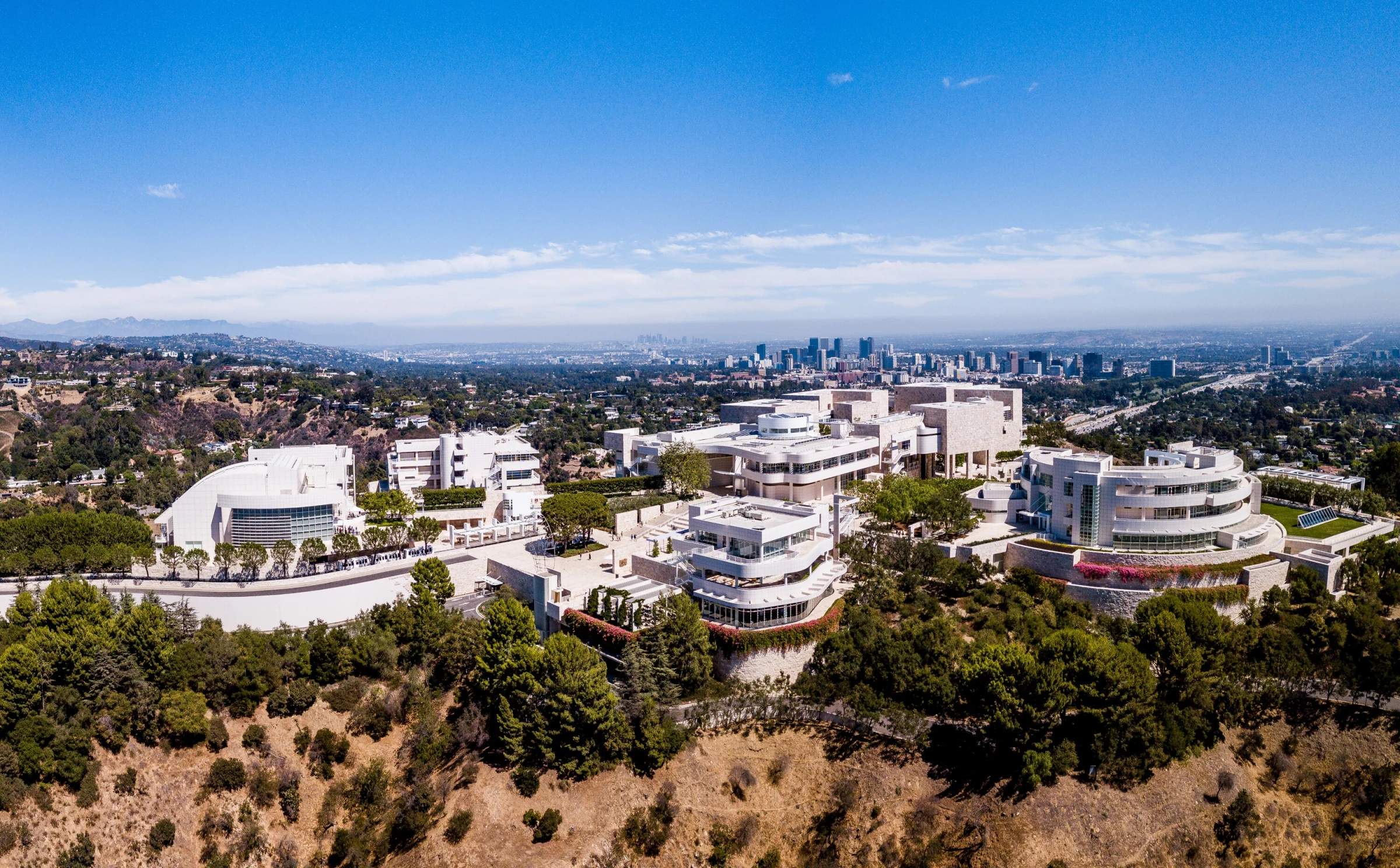
The Getty Center will close to the public on 15 March 2027 for a one-year modernization project, a timetable that places one of the most visited campuses in Southern California back online in time for the 2028 Olympic cycle. The closure, first reported by trade outlets and echoed in institutional statements, is less a cosmetic refresh than a systems-level reset: transport, wayfinding, visitor circulation, retail, food service, HVAC resilience, and connectivity are all being reworked inside an institution that has operated at high volume since 1997.
In museum governance terms, this is a familiar inflection point. A flagship museum reaches maturity, attendance normalizes at a high baseline, deferred infrastructure pressure accumulates in public-facing systems, then leadership chooses whether to patch or rebuild. Getty leadership has opted for rebuild. By announcing a hard closure window now, the institution is signaling both confidence in its capital planning and a willingness to absorb short-term audience loss to protect long-term competitiveness in a city whose cultural traffic will intensify through the Olympic horizon.
The institutional framing is explicit. In its modernization announcement on Getty News, the trust describes a broad visitor-experience upgrade across spaces that have become infrastructural bottlenecks rather than curatorial assets. The tram replacement is the most visible intervention. If throughput rises as projected, the queue experience changes from a reputational liability to an operational advantage, particularly on high-demand weekends and school break periods when first impressions are defined by access friction.
The closure plan also relies on a distributed-campus model rather than a full institutional blackout. The Getty Villa will remain open and is expected to absorb part of the public and program demand while selected works from the Center circulate. That is not a neutral logistical detail. It keeps the Getty brand in active circulation during construction, protects donor confidence, and gives education and membership programs continuity, all while the Brentwood campus is offline.
For collectors and trustees, this story is not only about one museum’s closure date. It is a case study in timing capital interventions against city-scale event calendars. Los Angeles is moving toward an Olympic period in which cultural institutions will be benchmarked on access, reliability, and public service at unusually high international visibility. Getty’s schedule suggests the trust wants to avoid entering that cycle with legacy systems that underperform under volume.
There is also a labor and operations implication that deserves attention. Modernization projects often redirect budget and managerial focus from programming to execution discipline: construction phasing, contract risk, compliance, and contingency planning. Institutions that communicate clearly through this phase usually preserve audience trust and avoid the narrative vacuum that can emerge when closures are framed only as inconvenience. Getty’s early timeline clarity, combined with continuity via Villa programming, reduces that risk.
What happens next will matter as much as the initial announcement. The museum field has seen projects that miss opening targets, reopen with reduced service, or under-deliver on accessibility claims. Getty’s public commitments create measurable expectations around visitor capacity, comfort, and technical reliability. If delivered, the project will likely become a reference point for other U.S. institutions facing the same midlife infrastructure dilemma. If delayed, it becomes a cautionary example of how quickly confidence can erode when iconic campuses pause for renovation without visible progress milestones.
For now, the key fact is straightforward: Getty is choosing controlled disruption in 2027 so it can re-enter 2028 with stronger systems and a cleaner public proposition. In the current museum economy, that is a strategic decision, not a maintenance footnote.