Georg Kolbe Museum Unveils 2026 Program After Museum of the Year Honor
Berlin’s Georg Kolbe Museum has outlined a research-heavy 2026 season after being named Museum of the Year 2025 by AICA Germany.
Berlin’s Georg Kolbe Museum has released its 2026 exhibition program after being named Museum of the Year 2025 by AICA Germany, a recognition that praised the institution’s ability to combine focused collection work with critical contemporary programming. The museum’s upcoming season, announced through e-flux, leans into that identity with a mix of archival excavation, new commissions, performance, and public research formats.
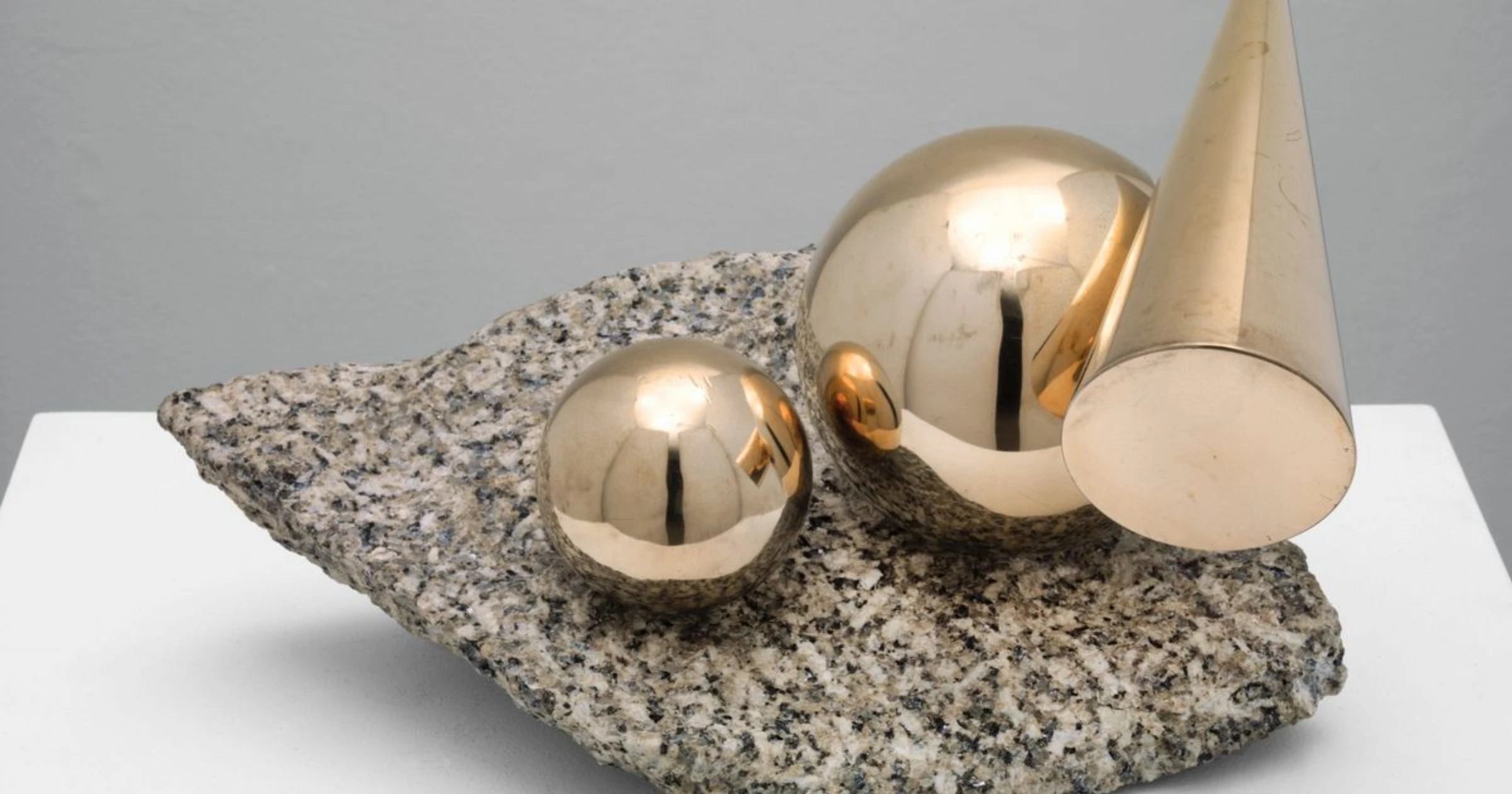
The first major anchor in the year is Creating Space: The Constructivist Marlow Moss, opening in April. The museum frames it as the first large exhibition in Germany dedicated to Moss, a historically under-recognized figure associated with Abstraction-Creation in Paris. The project will reunite surviving sculptures alongside paintings, drawings, films, and archival material, while placing Moss in dialogue with contemporary artists including Leonor Antunes, Tacita Dean, Florette Dijkstra, and Ro Robertson.
That curatorial move is significant beyond corrective biography. By centering Moss as both a formal innovator and a queer artist shaped by displacement and loss, the museum is linking canonical abstraction debates to broader questions of who gets preserved, cited, and institutionally legible. It is also a signal that the next phase of Constructivist scholarship will likely be intersectional rather than style-isolated.
This is the kind of institutional programming that treats archives as active material, not storage, and links historical repair to contemporary curatorial risk.
Later in the year, the exhibition everybody proposes a more explicitly socio-political body discourse, drawing inspiration from Olivia Laing and asking whether the body can be imagined as a space less governed by convention. The framing around vulnerability, autonomy, and collective resistance suggests a program that intends to connect sculpture history to contemporary debates on embodiment rather than keeping historical and present-day work in separate silos.
The museum is also sustaining its From the Margins lecture and research series, with a highlighted contribution by Booker Prize winner Kiran Desai on family history in 1920s Berlin. That detail matters: it demonstrates the institution’s commitment to expanding art-historical narrative through literary and diasporic perspectives, not just art-world internal voices.
Operationally, the 2026 program places the museum in a strong position ahead of Berlin Art Week and the wider biennial cycle. Director Kathleen Reinhardt’s simultaneous curation of the German Pavilion at Venice creates additional attention gravity that could feed audience crossover and scholarly visibility back into the museum’s own season.
In a period where many institutions narrow scope under budget pressure, Georg Kolbe’s approach is notably expansive but not unfocused. The throughline is clear: archive, reinterpretation, and contemporary stakes. If execution matches program intent, 2026 could mark the point where the museum’s recent critical momentum becomes structural rather than episodic.
Another important layer is timing. By foregrounding archival scholarship and overlooked modernist histories now, the museum is effectively pre-empting a familiar institutional trap where anniversaries and major cycles are consumed by event logistics rather than intellectual production. The 2026 calendar indicates the opposite: a year structured around knowledge output as much as attendance momentum, with bilingual publication support and research continuity built in from the start.
For Berlin audiences, the relevance is immediate: this program treats museum-going as an invitation to think with difficult histories rather than consume polished outcomes. That stance should strengthen the institution’s profile among curators, artists, and students looking for spaces where historical complexity is not reduced for convenience.