Trial of Dissident Artist Gao Zhen Raises New Alarm Over Retroactive Cultural Repression in China
Chinese dissident artist Gao Zhen has reportedly faced closed-door proceedings over satirical Mao-era works made years before current heroes-and-martyrs laws were tightened, intensifying concerns about legal retroactivity and artistic freedom.
Reports that Chinese dissident artist Gao Zhen has been tried in a closed proceeding over satirical Mao-era sculptures mark a sharp escalation in the state’s use of cultural law as political enforcement. The case is not only about one artist or one body of work. It is about whether governments can retroactively weaponize evolving legal standards against historical artistic production that had long circulated in public discourse.
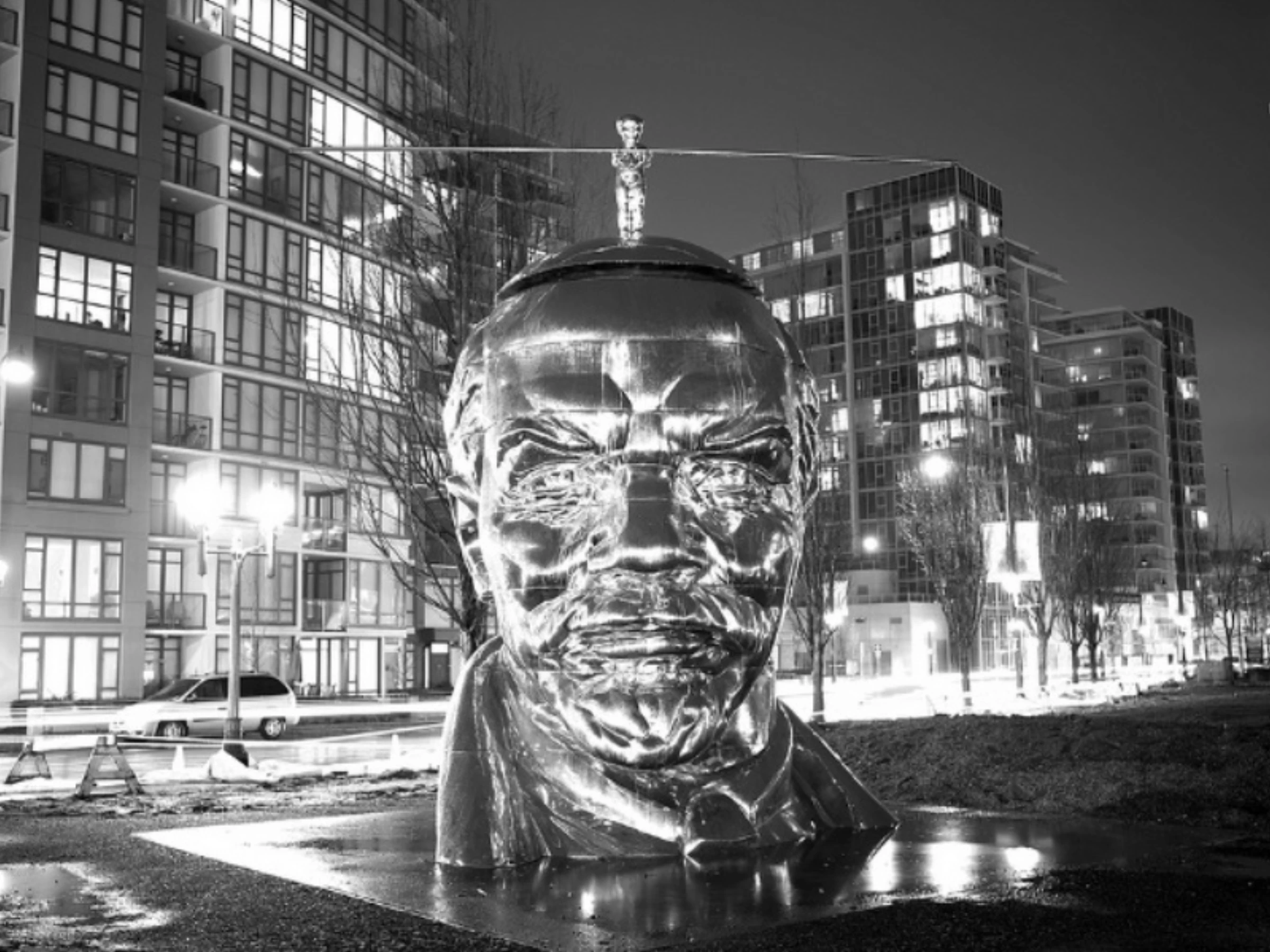
Gao, known internationally through work made with his brother Gao Qiang, became widely recognized for politically charged sculptures such as the Miss Mao series and related works that reframe official revolutionary iconography through irony and deformation. Institutions and public-art programs outside mainland China, including Vancouver Biennale, have presented this work as part of broader conversations about memory, authority, and ideological image-making.
The legal framing described in current reporting centers on accusations of defaming national heroes and martyrs, a category with increasingly forceful application in recent years. Rights observers have focused on the timeline problem: the artworks at issue were reportedly produced well before present legal language was codified and strengthened. If prosecution proceeds on that basis, the signal to artists is direct, no work is truly in the past if political conditions change in the present.
For the international art system, this is a governance stress point, not a niche censorship story. Museums, biennials, and university programs often treat dissident art as an interpretive category. States treat it as a sovereignty category. Those two frameworks collide hardest when artists maintain cross-border lives and family ties that can be used as pressure levers. Once that pressure extends to spouses and children through movement restrictions, the case moves beyond symbolic speech control into total-life coercion.
The broader rights context has been documented by organizations including Human Rights Watch and legal advocacy bodies tracking artistic expression cases in China and beyond. The immediate challenge for cultural institutions is practical: statements of support are not enough when legal jeopardy is active. Institutions showing politically sensitive work should have response protocols that include legal liaison capacity, family support channels where appropriate, and coordinated communication strategies that do not expose vulnerable relatives to added risk.
The Gao case also raises a curatorial question that many institutions have avoided. If museums and biennials benefit from the symbolic capital of dissident art, what obligations follow when the artists face prosecution? At minimum, institutions should maintain accurate public records, preserve exhibition archives, and continue contextual scholarship so that legal narratives cannot simply erase artistic histories. Programs such as documented installations of Gao Brothers works become evidentiary cultural memory in moments like this.
There is also a strategic diplomacy dimension. When foreign officials or observers are blocked from open court access, the procedural signal is as important as the verdict. Transparency restrictions narrow independent verification and increase reliance on secondary reporting from family members and advocacy groups. That uncertainty can be politically useful for authorities, but it also intensifies international scrutiny, especially where artistic freedom intersects with due process concerns.
The likely outcome for the global art field is a harder line between institutions that treat freedom-of-expression issues as central governance concerns and those that treat them as periodic PR events. Gao Zhen’s trial, whatever the eventual legal disposition, is already a threshold moment. It shows how quickly artistic critique can be reframed as criminal defamation under shifting doctrine. For artists working with political iconography, and for institutions committed to showing that work, the operating environment has become materially riskier, and much less forgiving.