Gabrielle Goliath’s Canceled South Africa Pavilion Project Will Be Shown in Venice Off-Site
After South Africa canceled Gabrielle Goliath’s Biennale presentation, the artist’s Elegy project will be staged in Venice independently through a coalition of art organizations.
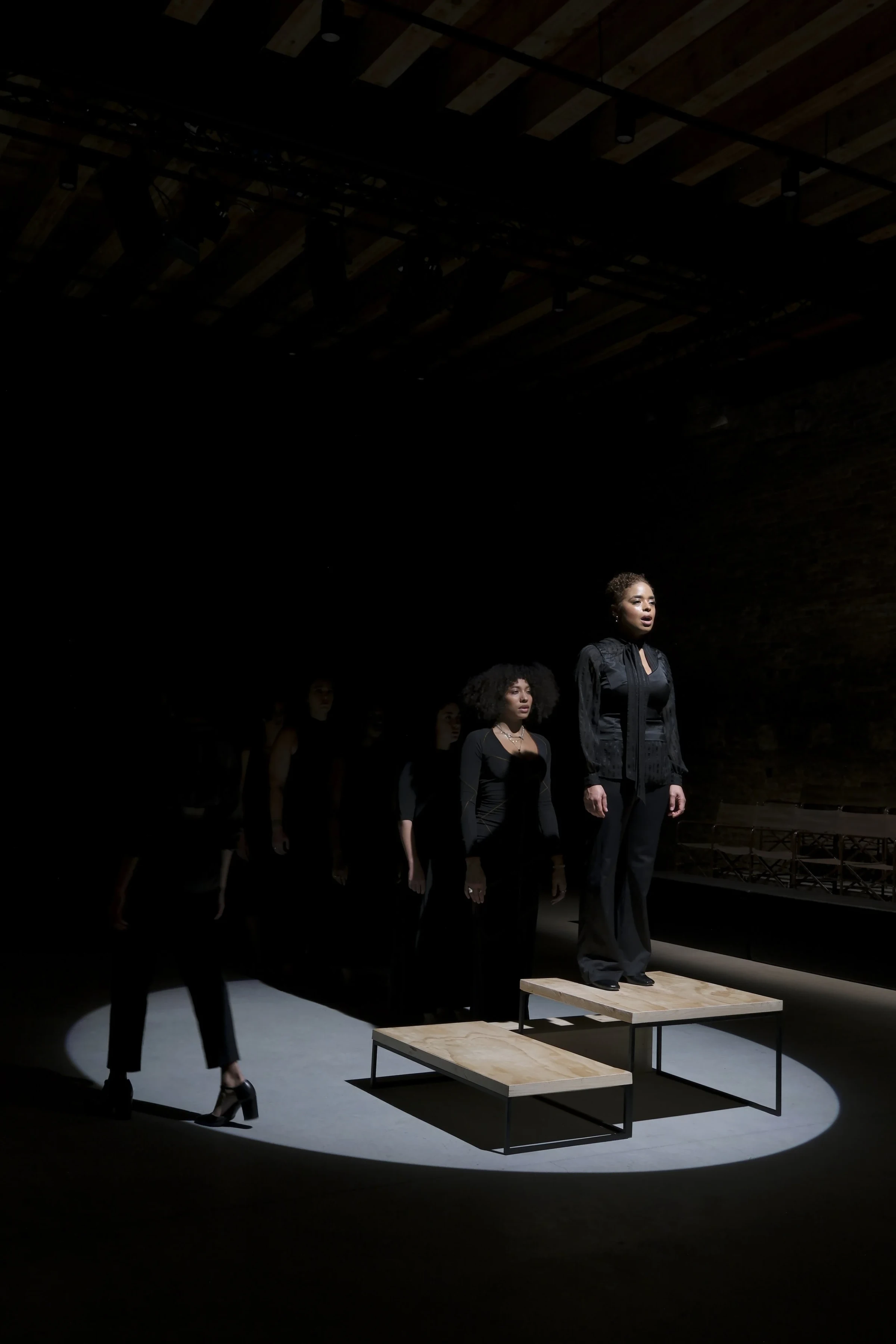
Gabrielle Goliath's Elegy project, blocked from South Africa's official pavilion at the 2026 Venice Biennale, will now be presented in Venice through an independent route. The off-site staging keeps the work in direct dialogue with the Biennale's international audience while exposing a deeper policy conflict, who gets to define national representation when state institutions and artist-led ethics collide.
Artforum reports that a new iteration of Elegy will be presented in the Castello district and later travel to London, after South Africa's minister of sport, arts and culture canceled the national pavilion submission shortly before the Biennale deadline. The cancellation followed political pressure around the work's references to Palestine and anti-colonial mourning. The practical outcome is stark, the official South African pavilion remains empty.
Goliath's long-running Elegy framework has consistently examined femicide, anti-queer violence, and historical erasure through durational performance and installation. In institutional terms, the project sits at the point where performance, testimony, and memorial practice overlap. That makes it difficult to neutralize through standard curatorial framing. It also explains why the work has become a proxy battlefield for broader ideological struggles.
The off-site move matters beyond this specific case because it demonstrates a growing parallel infrastructure in the biennial economy. When a state pavilion mechanism fails, whether through censorship, politics, or bureaucracy, philanthropic and independent platforms can now reconstruct visibility pathways quickly enough to keep major projects in circulation. That does not erase the loss of national platform legitimacy, but it does limit the state's ability to fully suppress discourse.
For curators and trustees, the episode sharpens a governance question that will only intensify, what standards should apply when political officeholders override independent selection committees? If no durable governance guardrails exist, national pavilions risk becoming instruments of short-cycle political management rather than long-horizon cultural representation. That volatility affects artist participation decisions and can weaken trust in selection processes across future editions.
For artists from regions where political pressure on institutions is rising, Goliath's case will be read as both warning and blueprint. The warning is that formal appointment does not guarantee platform security. The blueprint is that alliances with artist-run spaces, foundations, and international partners can preserve institutional-level visibility even after an official withdrawal. In this instance, continuity came from networks, not from the nation-state framework that first selected the project.
The independent staging is backed by organizations with their own curatorial and civic stakes, including the Bertha Foundation and Ibraaz. Their involvement reframes the work from a national-representation dispute into a transnational institutional collaboration. In practical terms, that shift broadens the work’s afterlife by placing it in networks that extend beyond the biennial calendar.
It also raises a strategic question for the Venice Biennale ecosystem, how can future selection frameworks protect curatorial independence when political intervention occurs after expert committees have already made appointments. Without those protections, participating artists will increasingly build contingency plans outside the pavilion system from day one.
Venice has always functioned as a stage for both aesthetics and geopolitics, but this case raises the stakes by making absence visible. An empty pavilion paired with a nearby independent presentation turns administrative cancellation into a curatorial fact the public can read in real time. That is exactly why this story will continue to travel well beyond opening week.