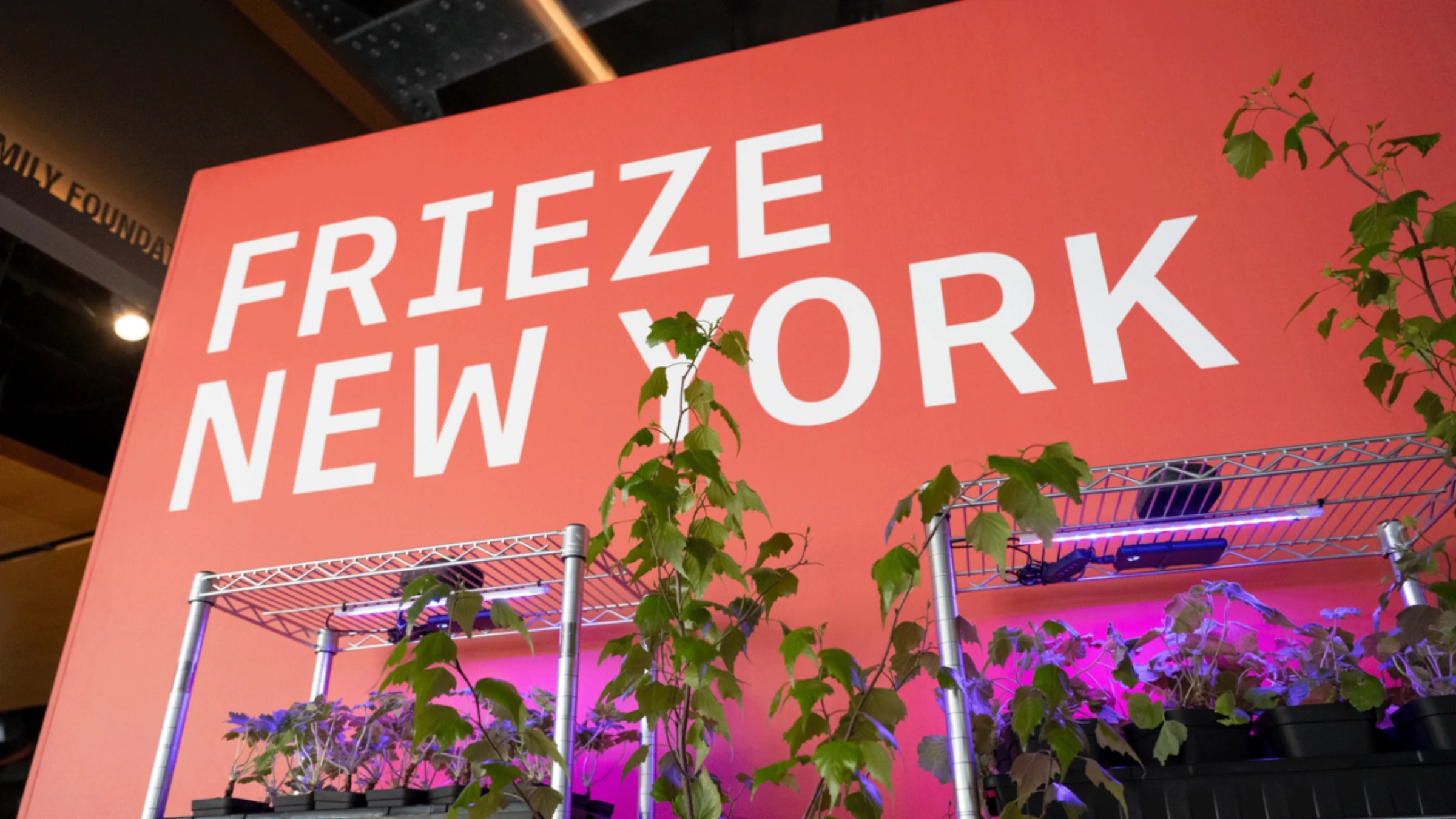
Frieze New York Expands Focus Section in 2026 to Increase Emerging Gallery Capacity
Frieze New York is increasing the scale of its Focus section for 2026, a move that could improve visibility for younger galleries while testing fair economics at a difficult growth stage.
Frieze New York has expanded its Focus section for 2026, increasing capacity for younger galleries and signaling a stronger commitment to early stage market participation within its fair structure. The announcement arrives as many emerging programs face rising operating costs, tighter collector conversion windows, and growing pressure to deliver results quickly from fair spend.
Focus sections have become one of the few places where fair brands can still influence market mobility directly. Main section access remains limited and expensive, while off site alternatives can struggle to attract concentrated buyer flow. When a major fair expands curated capacity for younger galleries, it can shift not just exposure but also survival odds for programs in fragile growth phases.
Expanding Focus only works if visibility and sales conditions grow together. More booths without stronger collector routing is just higher burn under prestige branding.
Expanding Focus only works if visibility and sales conditions grow together. More booths without stronger collector routing is just higher burn under prestige branding.
That is the central execution challenge for 2026. Emerging exhibitors need quality footfall, not just traffic volume. They also need scheduling and placement decisions that avoid relegating Focus to a symbolic side lane while primary buying energy remains elsewhere. If routing, programming, and editorial framing are aligned, the expansion can create real market transfer. If not, it risks becoming optics.
For collectors, a larger Focus section can improve discovery efficiency. Instead of spreading early career research across scattered visits, buyers can compare practices in one concentrated environment with clearer curatorial framing. That can support stronger conviction and faster follow up, especially for collectors building positions in younger artist ecosystems.
Galleries considering participation will still run hard economics. Booth cost, travel, staffing, shipping, and production requirements can erase upside quickly if fair week conversion is weak. The programs most likely to benefit are those arriving with targeted client strategy, institutional appointment plans, and post fair follow through already mapped.
The move also carries signaling value for the broader fair landscape. If Frieze demonstrates that expanded early stage capacity can produce both quality discourse and viable sales outcomes, peer fairs may face pressure to revise their own access models. If results disappoint, the sector may retreat toward tighter, more conservative structures.
For now, the announcement is directionally encouraging. It recognizes that the long term health of the market depends on more than blue chip concentration. The real test begins when the floor plan meets collector behavior.
Another indicator will be post fair outcomes. If participating galleries secure institutional visits, follow on exhibitions, and sustained collector engagement after the event, the expansion will have achieved structural value. If outcomes fade once fair week ends, organizers may need to rethink support mechanisms beyond booth allocation.
Collectors should also expect stronger pre fair communication from Focus exhibitors as competition for appointment time intensifies. Galleries that prepare concise dossiers, transparent pricing rationale, and clear institutional context are likely to convert interest more efficiently than booths relying on fair floor spontaneity. Preparation quality will separate participants quickly in an expanded section. That execution detail will define whether the expansion is remembered as reform or marketing. Expect tighter KPI scrutiny from exhibitors after the fair closes.