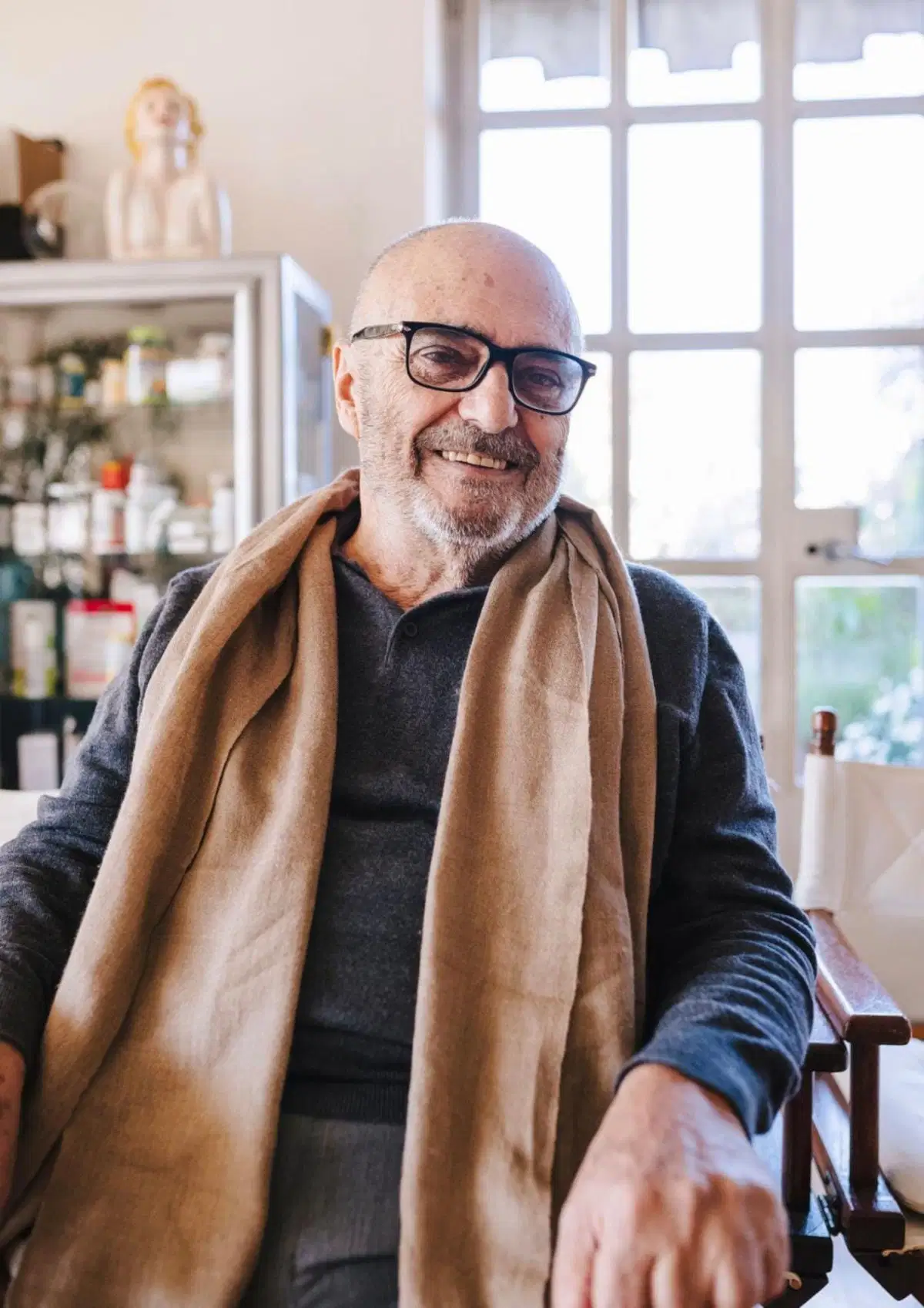
Giancarlo Politi, Founder of Flash Art, Dies at 89
The publisher who built Flash Art into a transatlantic power node for criticism, careers, and art fair-era discourse has died at 89, closing a decisive chapter in postwar contemporary art media.
Giancarlo Politi, the founder of Flash Art and one of the most consequential independent publishers in contemporary art, has died at 89. His death marks more than the loss of an editor. It marks the end of a media architecture that shaped how artists, curators, and dealers gained visibility from the 1970s through the global fair era.
Under Politi, Flash Art operated as both magazine and infrastructure. It did not simply review exhibitions. It connected scenes, translated conversations between cities, and built a language that let emerging artists move from local circles into international discussion. That bridging function is harder to replicate in today's fragmented media environment.
Politi's influence was strongest in moments when the market and criticism were rapidly reconfiguring each other. In those years, publication timing, editorial framing, and who appeared in print could materially change an artist's trajectory. Flash Art became a platform where discourse and career acceleration overlapped, especially for artists and curators working outside the most predictable institutions.
His editorial ecosystem overlapped with institutions such as the Flash Art magazine, major exhibition circuits such as the Venice Biennale, and market platforms like Art Basel, where critical language, curatorial selection, and commercial signaling continuously interact.
For younger readers, Politi's legacy is easiest to understand through a simple fact: before social media and algorithmic feeds, editors with strong positional judgment could shape the shared map of contemporary art. Flash Art was one of those map-making engines, and Politi was its strategic center. The magazine's dual presence in Milan and New York gave it a structural advantage that no single-city publication could replicate.
His death also reopens a practical question for the field: who now performs the same connective labor between local experimentation and global recognition? Museums like the Guggenheim still validate. Fairs still distribute attention. But independent critical publishing remains the place where claims can be tested before institutions canonize them.
In that sense, Politi's career is not only a historical reference. It is a governance lesson for art media. Editorial independence, international networks, and sustained criticism are not nostalgia assets. They are working infrastructure for any ecosystem that claims to value serious contemporary art.
Politi's passing also surfaces questions about institutional memory. Flash Art's archive represents one of the most comprehensive records of emergent artistic movements across four decades. How that archive is preserved, digitized, and made accessible will matter as much as any single issue the magazine published.
For art institutions and collectors, the practical takeaway is straightforward: the pathways Politi helped build still exist, but they require active maintenance. Supporting independent criticism, attending to editorial selection across multiple regions, and recognizing that platform choices shape artistic careers are all part of that maintenance.
Observers tracking this transition should watch how institutions including MoMA and Tate continue to absorb, archive, and reinterpret the critical frameworks that publications like Flash Art helped establish.
Politi is survived by his family and the global network of artists, critics, and curators whose careers he helped shape across five decades of independent publishing.