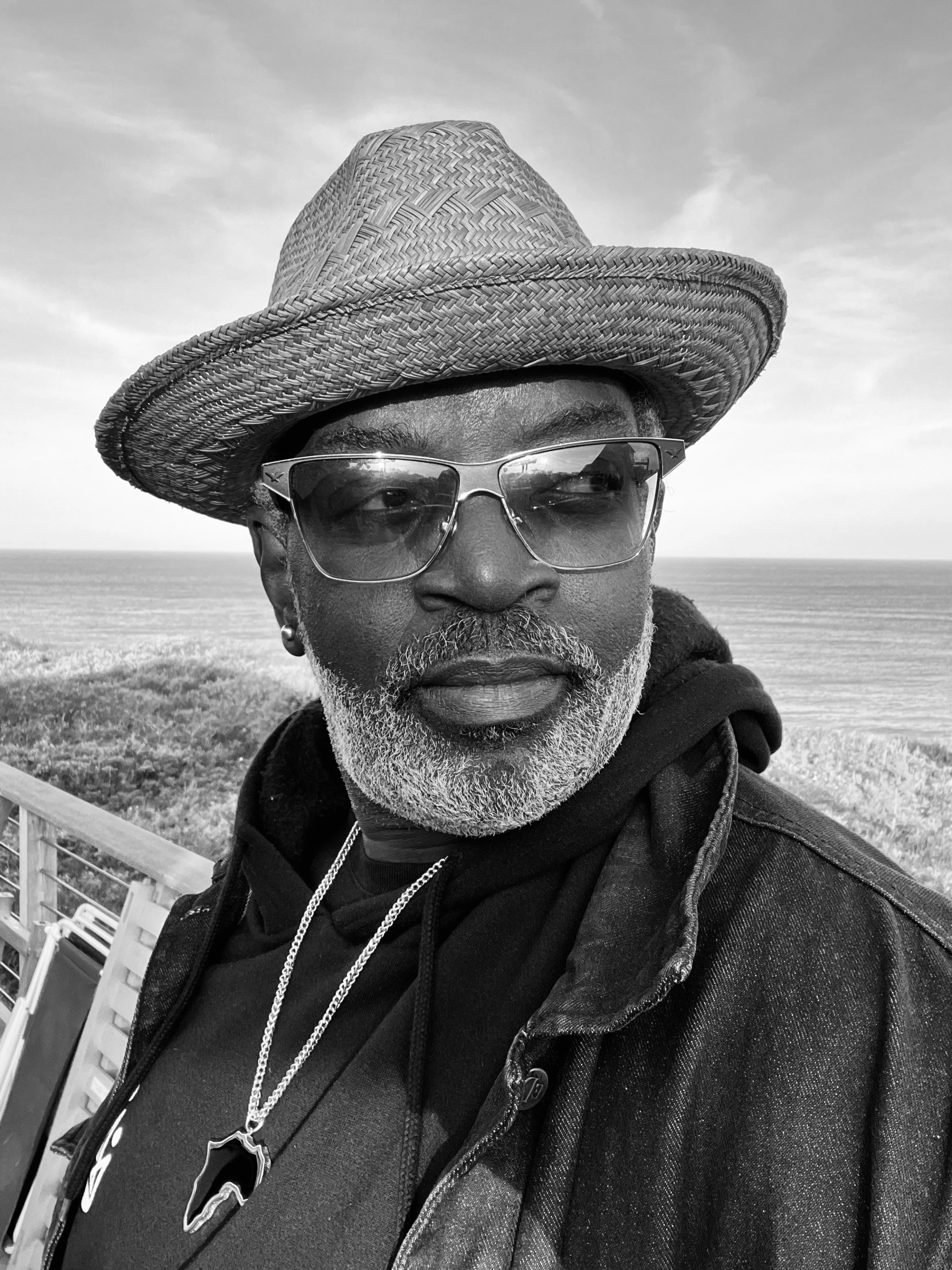
Fab 5 Freddy’s New Memoir Repositions Downtown Myth as Cultural Infrastructure
Everybody’s Fly arrives as both personal narrative and institutional source text for how graffiti, hip-hop, and downtown art ecosystems were built.
Fred Brathwaite, better known as Fab 5 Freddy, has published Everybody’s Fly, a memoir that arrives at an unusually strategic moment for the art world. Museums are re-staging downtown New York histories, auction houses continue to absorb graffiti-era narratives into blue-chip categories, and younger artists are inheriting a scene they mostly know through branded afterlives. In that context, Brathwaite’s account matters because it reads less like personal mythology and more like a field manual for how cultural ecosystems actually get built, maintained, and eventually commodified.
Brathwaite’s official site positions the book as a March 2026 release and links it directly to his long arc across visual art, music, television, and independent media practice. The key contribution is connective tissue. Rather than isolating iconic moments, he tracks how communities moved between boroughs, clubs, studios, cable access, labels, and galleries. For art institutions, this is essential evidence. Canon formation in late twentieth-century New York was never only about singular genius. It depended on intermediaries, hosts, translators, and organizers who could move ideas between social worlds that were still racially and economically segregated.
That point has immediate relevance for curators now building exhibitions around postwar urban culture. Too many shows still narrate the period through a handful of market-certified names, with graffiti and hip-hop treated as atmosphere rather than epistemology. Brathwaite’s story interrupts that simplification. He describes a scene where aesthetic innovation and social navigation were inseparable, where the same person might broker introductions between writers, filmmakers, DJs, and collectors while also producing work. In current terms, he functioned as an infrastructural artist. Institutions that want to represent the period responsibly should treat that role as central, not peripheral.
The memoir also sharpens an uncomfortable historical irony. Practices that once challenged institutional gatekeeping now circulate through licensing, merchandising, and prestige partnerships at global scale. That does not invalidate their historical force, but it does raise questions about value capture. Who benefits when subcultural language becomes luxury branding. Which archives are funded, and which communities are asked to perform authenticity without long-term ownership. Brathwaite’s account does not resolve these questions, but it gives them concrete coordinates, people, places, and decisions, instead of abstract debates about appropriation.
For collectors, the book has practical implications. The next wave of historically significant acquisitions in this area will likely move beyond marquee works toward documentary, collaborative, and context-rich material, flyers, video traces, correspondence, production ephemera, and artist-run distribution artifacts that map how scenes actually operated. This is already visible in institutional archives and time-based media programs, where provenance now includes network provenance, not just object provenance. Collectors who understand this shift early will build holdings that remain legible as scholarship advances.
The publication also intersects with an institutional memory problem. New York’s 1970s and 1980s cultural field is frequently narrated as an inevitability, as though major figures were destined to become canonical. Brathwaite’s version emphasizes contingency: cheap space, fragile alliances, local risk, and improvised platforms. That matters in 2026, when many cities have lost the economic conditions that once supported low-margin experimentation. If the memoir does one urgent thing, it reminds readers that scenes are made through policy, geography, and informal labor, not only talent. They can be made again, but not without material conditions.
For readers outside New York, the value is equally clear. The book offers a transferable framework for understanding how hybrid cultural movements emerge, how they are mediated, and how they are institutionalized. Art schools, residency programs, and municipal arts agencies should read it as contemporary policy history, not just cultural biography. When cultural leaders talk about cross-disciplinary ecosystems today, they are often describing a sanitized version of what Brathwaite and his peers built under far less favorable conditions.
In the short term, Everybody’s Fly will circulate as a high-interest memoir tied to familiar names. In the longer term, it is likely to function as source material for exhibitions, catalogs, and collection strategies that need more than heroic anecdotes. Brathwaite gives the field something rarer, a record of cultural operations from inside the machine. That is why this release matters now. It helps move downtown history from brand narrative back to institutional analysis, where it belongs.
Readers can track release details through Fab 5 Freddy’s official website, and institutions revisiting this period should pair the memoir with primary holdings at the Whitney Museum of American Art and the Brooklyn Museum to avoid reducing a living network history to a retrospective mood board.