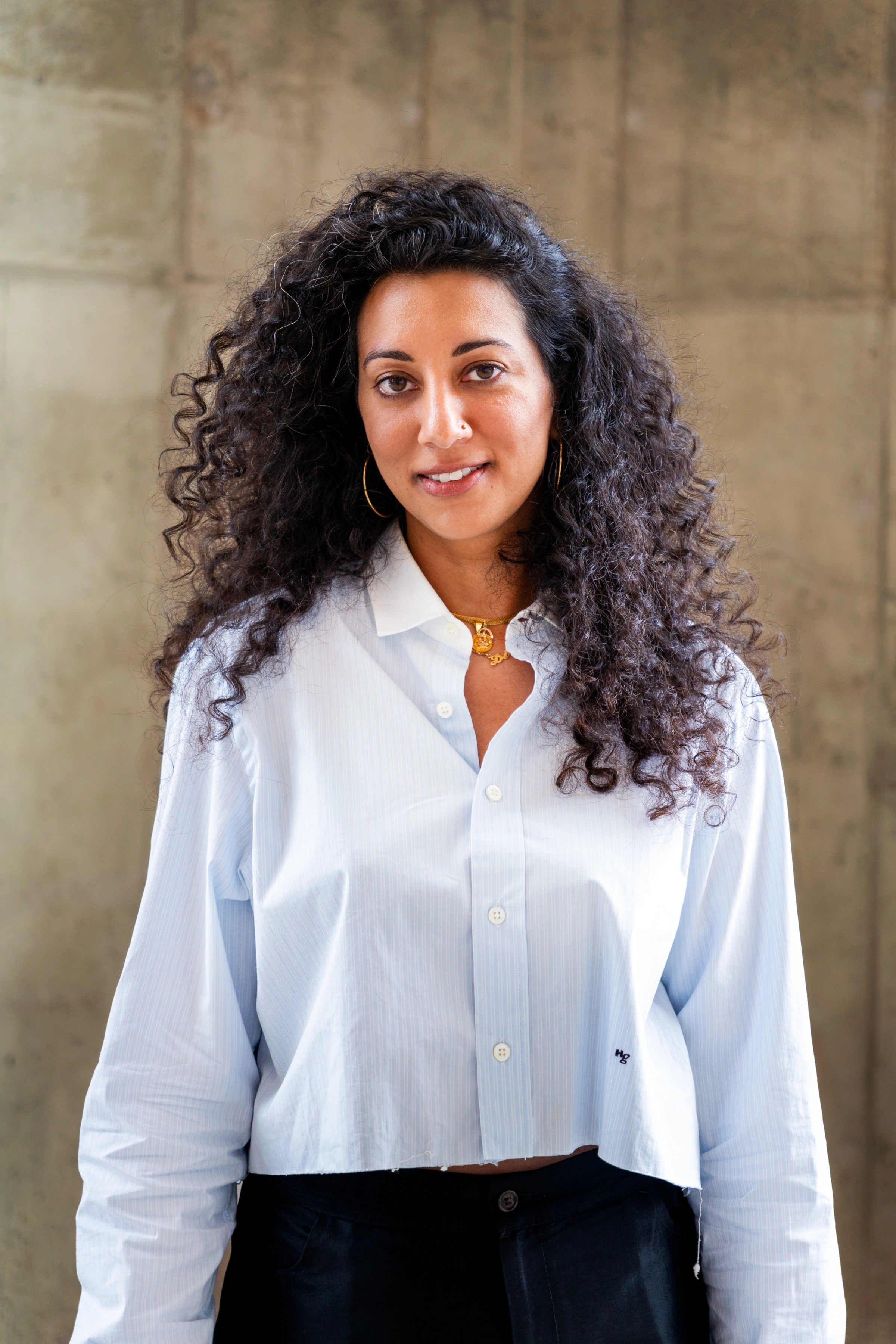
Diya Vij Appointed to Lead New York City Department of Cultural Affairs
Mayor Zohran Mamdani has named curator and arts administrator Diya Vij as the next head of NYC Cultural Affairs, the largest municipal arts funder in the United States.
New York City has appointed Diya Vij as the next director of the Department of Cultural Affairs, placing a curator with deep nonprofit and public-art experience at the helm of the country’s largest city arts funding system. Artforum reported the appointment this week, noting that Vij is the first person of Southeast Asian descent to hold the role.
The job carries unusual leverage. DCA distributes hundreds of millions in annual support across more than a thousand organizations and shapes the practical conditions under which artists, institutions, and neighborhood cultural groups operate. In the last fiscal year alone, the agency allocated roughly $245 million.
Vij arrives from Powerhouse Arts and previously worked at Creative Time, the High Line, Queens Museum, and DCA itself, where she helped launch the Public Artists in Residence initiative. That resume suggests she is likely to prioritize cross-sector programming where social practice, civic infrastructure, and education policy overlap rather than treating public art as ceremonial add-on work.
Control of a municipal arts budget is not bureaucratic trivia in New York, it is one of the city’s most powerful tools for deciding who gets sustained cultural visibility.
She also takes office in a difficult operating climate. Institutions are still managing post-pandemic fragility, nonprofit labor pressure, and rising fixed costs, while federal volatility continues to affect planning confidence. Tourism softness adds another layer of strain for museums and performance venues that rely on visitor spend.
The immediate test for this administration will be execution speed. Announcing support is easy. Moving funding, stabilizing artist pipeline programs, and protecting small organizations from cash-flow collapse requires an agency that can operate quickly and transparently under pressure.
If Vij can align subsidy policy with borough-level access and long-horizon workforce development, this appointment could become more than symbolic leadership turnover. It could reset the city’s cultural contract around affordability, continuity, and practical inclusion at the level where artists actually live and work.
A second-order question is how the office handles evaluation. Municipal arts policy often defaults to attendance metrics, but those can reward institutions already positioned to attract high-footfall audiences. If DCA under Vij expands grant criteria to include artist retention, neighborhood-level participation, and continuity of smaller organizations, it could produce a healthier ecology than pure visibility metrics allow.
There is also a governance opportunity around interagency coordination. Cultural policy in New York intersects with housing, education, and workforce pipelines, yet those systems rarely move in lockstep. A commissioner who can connect subsidy policy to affordable workspace, youth arts education, and public-realm commissioning may convert fragmented programs into something that feels like strategy rather than annual crisis management.
New York’s cultural field will read this appointment not only through city hall messaging but through first-quarter actions: grant-cycle timing, emergency support mechanisms, and whether the administration can lower friction for small organizations that spend disproportionate time on compliance. If DCA can simplify access while preserving accountability, it will free artists and operators to spend more energy on programming instead of paperwork triage.
Because DCA’s decisions ripple into real-estate stability for cultural groups, the commissioner’s office effectively shapes the map of where culture can survive in New York. That makes this role central to equity in practice, not just language. How funding is sequenced and where technical support is concentrated will determine whether outer-borough ecosystems grow or continue to absorb uneven pressure.