Diego Rivera’s Grandson Donates 157,300 Objects to Museo Anahuacalli
Juan Rafael Coronel Rivera has donated 157,300 objects to Museo Anahuacalli, materially expanding the museum and reviving Diego Rivera’s long-deferred vision of a broader arts campus in southern Mexico City.
Museo Anahuacalli in Mexico City has received one of the most consequential private-to-public transfers in recent Latin American museum history: 157,300 objects donated by Juan Rafael Coronel Rivera, grandson of Diego Rivera. According to reporting by The Art Newspaper, the donation spans ceramics, textiles, prints, photographs, archival papers, and a research library assembled over more than four decades. The sheer volume matters, but the strategic significance is bigger. This is not a trophy acquisition. It is an institutional expansion that reactivates Rivera’s original ambition for the site as a multidisciplinary city of the arts.
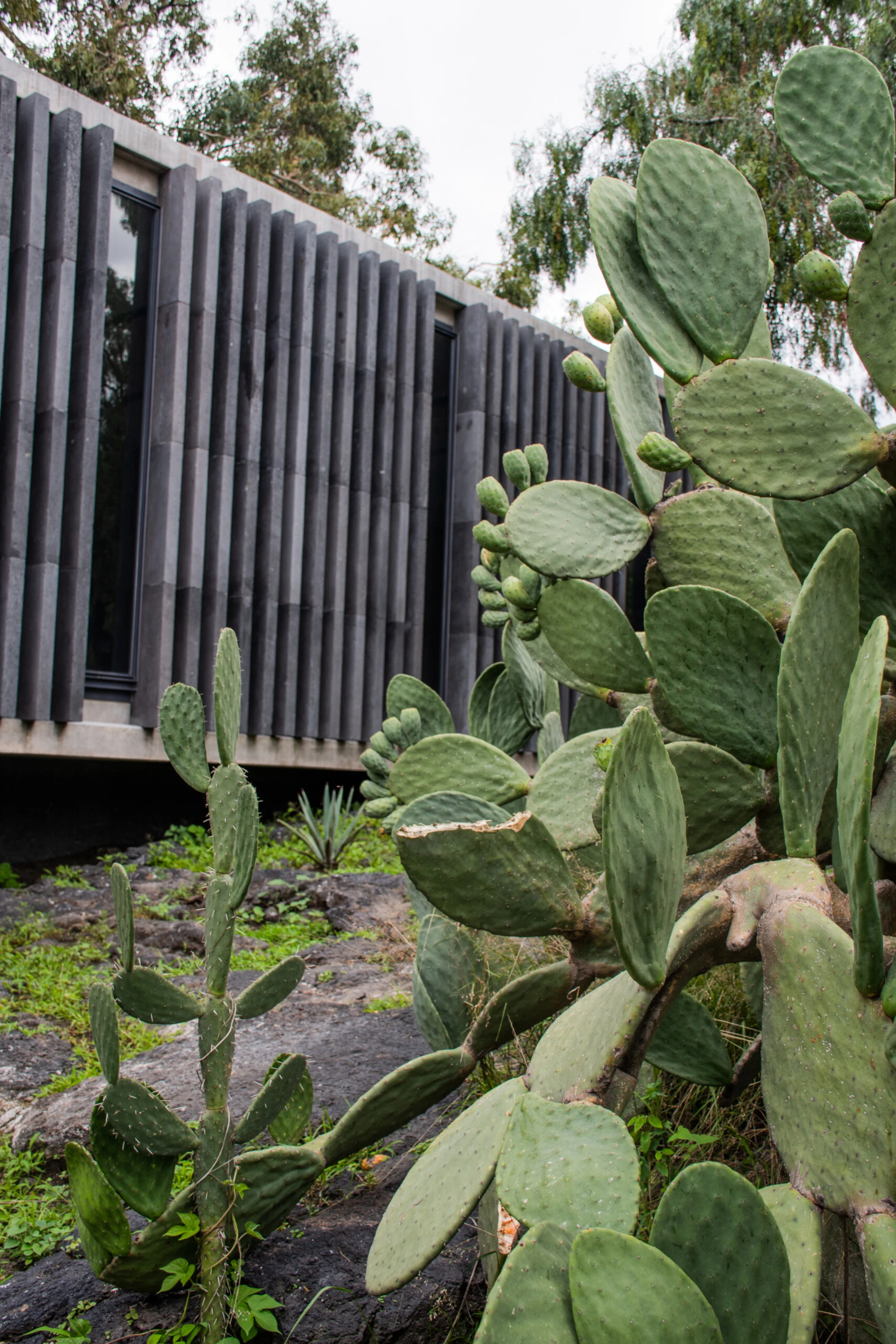
The museum, founded by Rivera and tied to an irrevocable trust structure administered with Banco de México, has long occupied a singular place in the country’s cultural landscape. Its volcanic-stone architecture and pre-Hispanic orientation made it iconic, but its operating capacity has often lagged behind its symbolic charge. A transfer of this scale can alter that balance. It creates curatorial, conservation, and research obligations that demand new systems, new staffing, and eventually new built infrastructure, all of which push the institution from memorial status toward active production.
Coronel Rivera has said the collection was always intended for museum stewardship, even if this destination was not originally assumed. That statement should be read as more than sentiment. It signals a deliberate move away from private legacy management and toward public custodianship at a moment when Mexico’s major art institutions are being asked to prove long-term governance capacity. For policymakers and funders, the phased transfer schedule, beginning with ceramics and moving toward manuscripts and correspondence, provides a practical stress test for how fast the museum can absorb and catalogue a rapidly expanding corpus.
Importantly, the donation does not include paintings by Diego Rivera or Frida Kahlo. That absence sharpens rather than weakens the story. Instead of reinforcing the familiar Rivera-Kahlo market axis, the transfer broadens the evidentiary base around collecting culture, family archives, and material histories that usually remain fragmented across private holdings. For scholars, it opens pathways for research into networks of patronage, domestic collecting habits, and the institutional afterlives of twentieth-century Mexican modernism.
The leadership framing from Anahuacalli also suggests a shift in mission language. Director Teresa Moya has described collecting as a form of knowledge production, not only preservation. If implemented seriously, that framing could bring the museum closer to research-centered models seen at institutions that combine archives, public programs, and collections access as one integrated function. The donation gives Anahuacalli the raw material to attempt that model at meaningful scale.
There are obvious execution risks. Large archival donations can stall for years when institutions underestimate cataloguing complexity, conservation needs, and rights management. Space constraints can force triage decisions that limit public access. Budget opacity can delay expansion plans even when conceptual projects are announced. Reports that architect Mauricio Rocha is developing additional facilities, with construction potentially beginning in late 2026 or 2027, indicate momentum, but delivery will depend on sustained capital and transparent governance.
For collectors and estates across the region, the move may become a precedent. It shows that strategic donation to a mission-aligned institution can generate greater cultural leverage than fragmented private disposition, especially when the receiving museum can connect archives to public interpretation. It also increases pressure on peer institutions to clarify accession policy, storage readiness, and research access before courting similar gifts.
The core point is straightforward. Rivera imagined Anahuacalli as a platform where artistic practice, historical material, and public learning could converge. For decades, that idea remained partially realized. Coronel Rivera’s donation does not complete the project on its own, but it materially changes what is now possible and who has the responsibility to make it real.