Dia Al-Azzawi Returns to London with a Career Survey at Richard Saltoun
A major London survey of Dia Al-Azzawi brings archival and large-scale works into one frame, strengthening institutional momentum around modern Arab art histories.
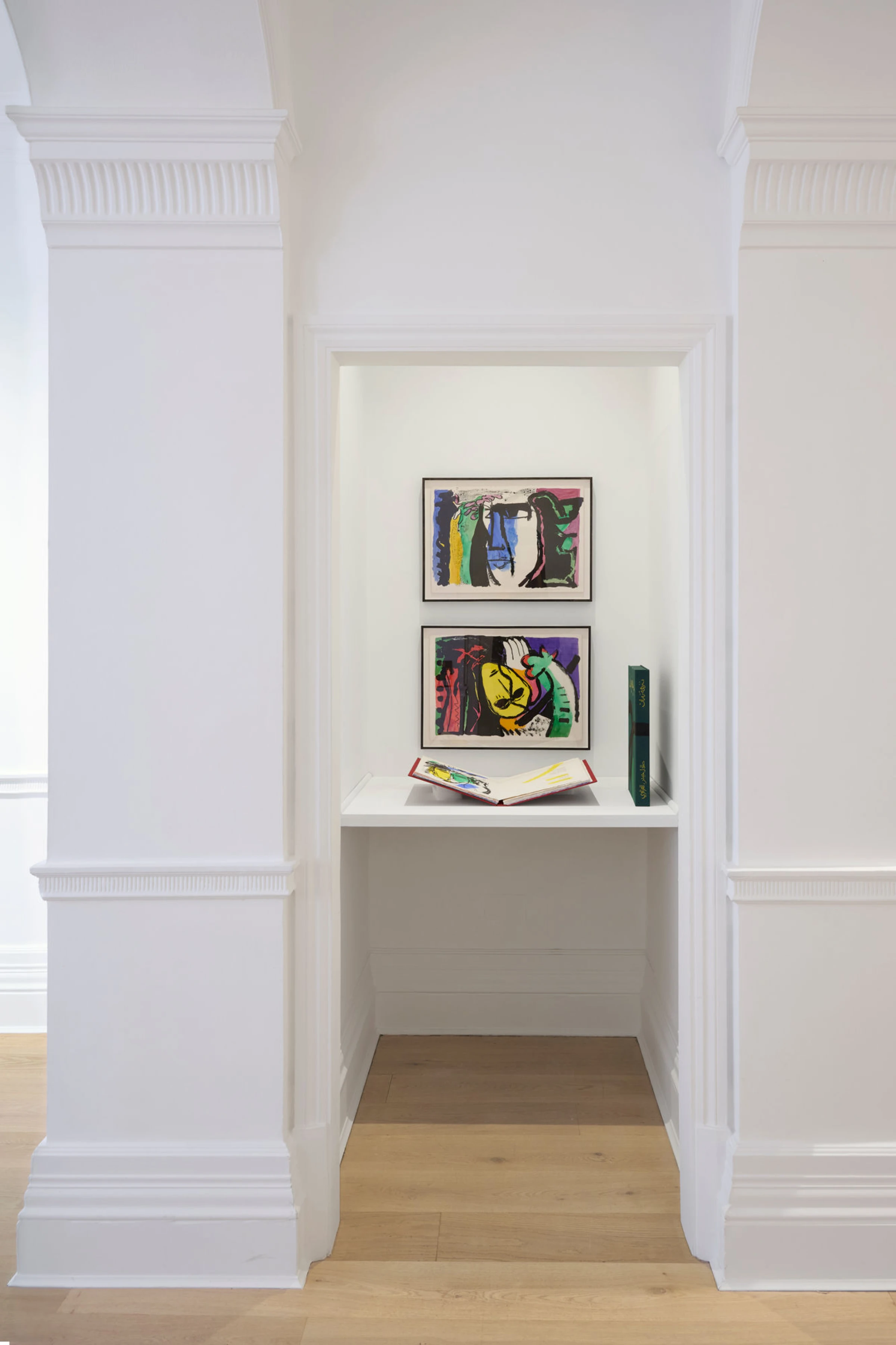
Dia Al-Azzawi has returned to sustained London visibility through a large survey at Richard Saltoun, assembling paintings, works on paper, and archival material across decades. The exhibition arrives when institutions are under pressure to rebuild modern art narratives beyond narrow Euro-American sequencing.
The exhibition, Excursion Across Time, is curated as continuity rather than rupture. Motifs linked to Mesopotamian visual memory, Arabic script structures, and political witness recur through changing scales and media. This avoids both folkloric framing and the flattening effect of geopolitical branding.
For curators, the show demonstrates a practical model: foreground formal argument while preserving historical specificity. That balance is increasingly important for museums that want to move beyond token international sections toward durable commitments in acquisition, conservation, and scholarship.
For collectors, the market signal is in infrastructure. When archive materials, exhibition history, and institutional programming align, confidence tends to deepen around long-horizon value. Public-facing artist resources, including the gallery’s artist pages, strengthen that process by improving documentation clarity for advisors and lenders.
What follows next will determine whether this becomes structural change. If institutions such as Tate and The British Museum build related programs, translation efforts, and archive access into their calendars, the London survey will read as a pivot point rather than a seasonal event. Right now, the exhibition makes a compelling case that Al-Azzawi belongs at the center of modern conversations, not in their margins.