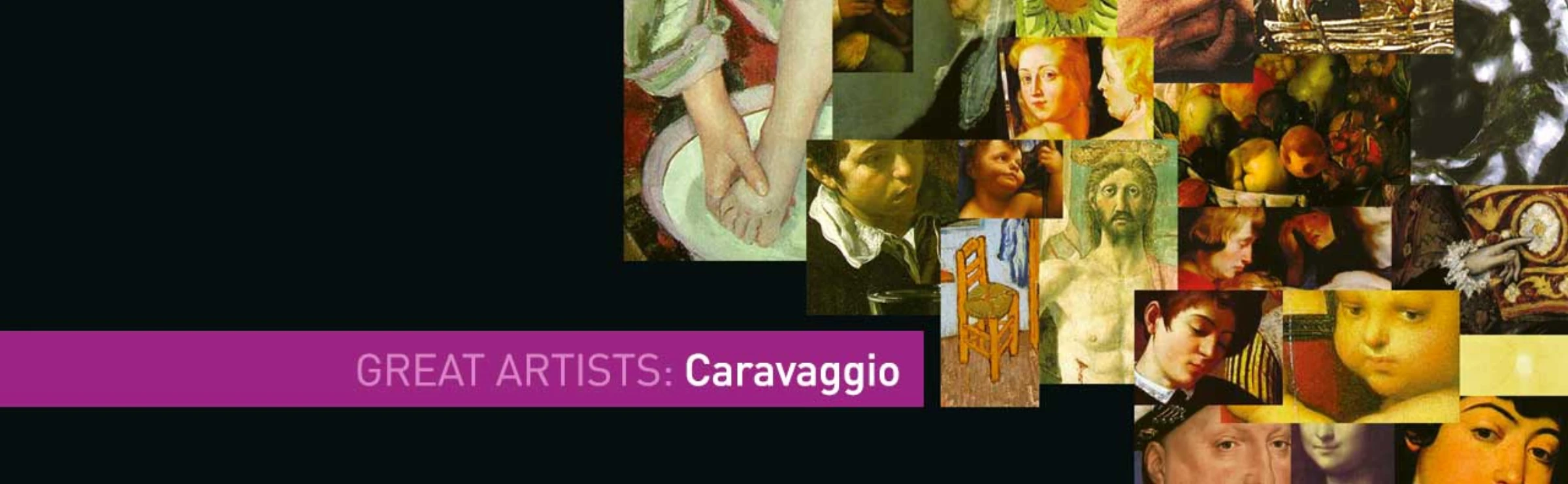
Caravaggio Documentary Moves From Cinemas to Streaming on Marquee TV
The latest Exhibition on Screen film will debut on Marquee TV on April 6, extending the franchise’s museum-adjacent audience into subscription streaming.
The new Caravaggio feature from the Exhibition on Screen series will premiere on Marquee TV on April 6, extending a format that has already proven itself in theatrical release cycles. The same producers previously delivered a strong box-office run with a Vermeer title, and the move to streaming is less a pivot than an expansion of the same audience logic: museum visitors and art-interested viewers who are willing to pay for long-form, expert-led interpretation when the editorial packaging is clear.
The film is produced within the Seventh Art Productions ecosystem and sits inside the wider Exhibition on Screen slate. That slate has historically paired curatorial commentary with close visual analysis, then framed biography as context rather than celebrity narrative. In the Caravaggio case, the directors are explicitly trying to rebalance public perception away from scandal shorthand and toward technical and compositional reading, including painting structure, light logic, and workshop-era conditions of production.
For curators, the practical relevance is not whether a documentary can replace gallery time. It cannot. The question is whether these films can lengthen and deepen pre-visit and post-visit engagement. When done well, they provide an interpretive bridge that institutions rarely have the internal budget to produce at the same cinematic standard. That bridge can improve audience readiness for difficult historical material, especially with artists like Caravaggio where biography often overwhelms formal analysis in popular media treatment.
For the streaming platform, the release also signals category confidence. Marquee TV has positioned itself as an arts specialist rather than a generalist service, and documentary events anchored to canonical artists can function as subscriber acquisition moments. This strategy depends on consistency: each release must feel editorially rigorous enough for repeat paying audiences. One successful title can create curiosity, but sustained growth requires a recognizable curatorial signature across multiple films and periods.
The institutional upside is that streaming can widen geographic reach without reducing curatorial specificity. A viewer who cannot travel to Rome, Naples, or London can still encounter a structured narrative of Caravaggio’s oeuvre and influence, then connect that knowledge to local museum collections. The best outcomes happen when institutions treat these films as part of programming infrastructure, not passive entertainment, for example by pairing screenings with talks, reading lists, and object-based sessions in study rooms.
There is a caution, though. Art documentary growth can drift toward prestige infotainment if visual drama eclipses evidentiary standards. To avoid that, producers need transparent expert attribution and clear distinctions between interpretation, archival record, and dramatized reconstruction. The Caravaggio title arrives with a declared research period and substantial travel footprint, which is a good signal, but serious viewers will still judge the work on citation discipline and analytical clarity.
For collectors and advisors, the broader lesson is that high-quality art media now behaves like a parallel education layer around the market. When a film reaches scale, it can influence demand visibility for artists, periods, and themes that institutions and private buyers are already assessing. In that sense, the Marquee launch is not only a distribution story. It is part of how art-historical attention gets priced, programmed, and circulated in 2026.