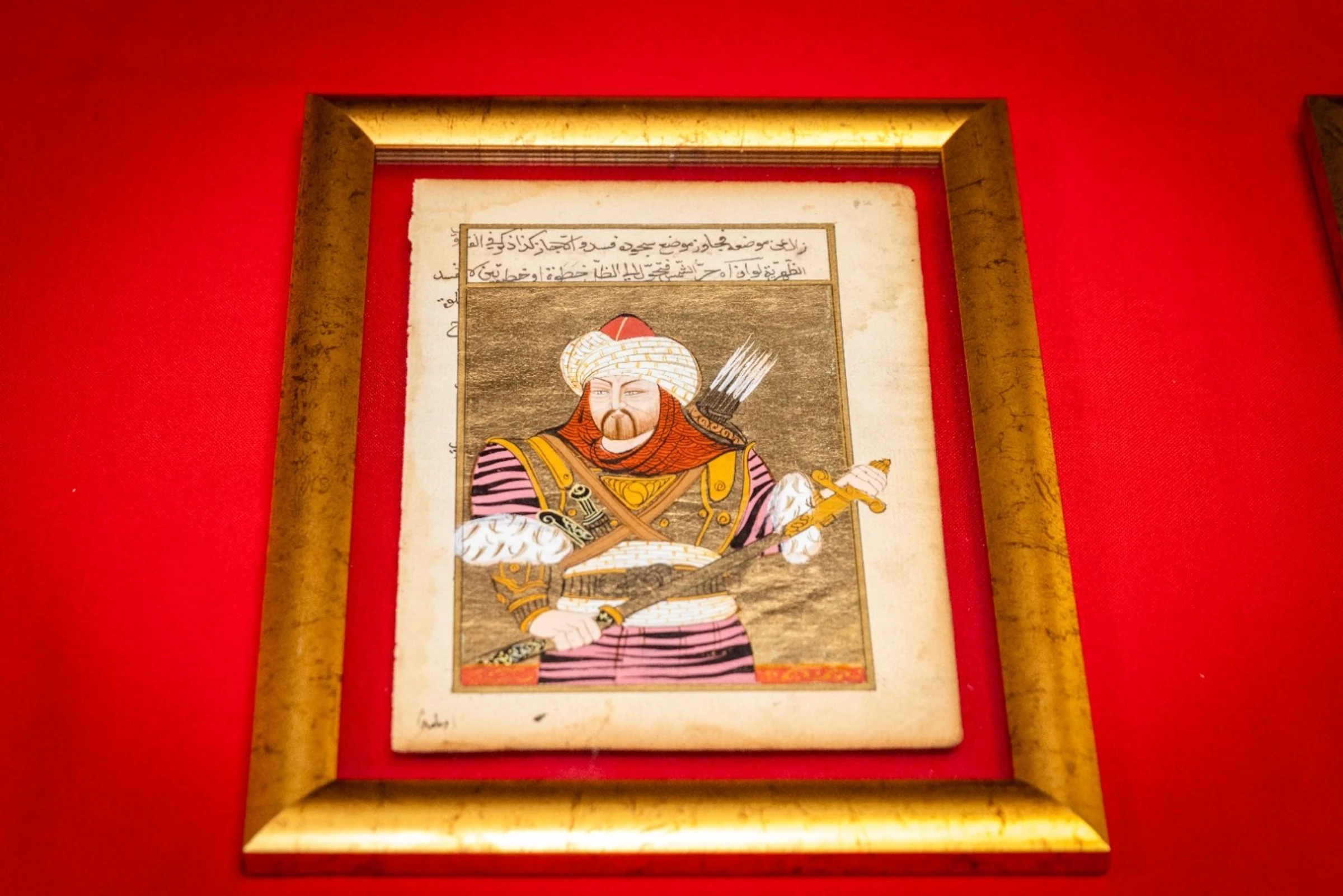
Canada Returns 11 Ottoman-Era Works to Turkey in First Official Repatriation Between the Countries
A Canadian federal court authorized the return of 11 Ottoman-era works to Turkey, marking a first formal repatriation case between the two countries and setting a legal benchmark for future claims.
Canada has returned 11 Ottoman-era works to Turkey after a federal court ruling, creating what officials describe as the first official repatriation of Turkish cultural property from Canada. The handover, completed on 30 March at the Canadian Conservation Institute in Ottawa, included seven manuscript pages, two printed pages, and two modern calligraphy works dated between the 17th and 19th centuries. For restitution watchers, the key development is less the quantity than the legal path: seizure, documentation, court determination, then formal return.
According to reported timelines, the objects were intercepted by the Canada Border Services Agency while being transported from Istanbul to Vancouver. That interception triggered communication with Turkish authorities and a documentation process involving conservation analysis, provenance arguments, and national-heritage claims. Turkey’s submissions, reportedly backed by technical reports and legal filings, persuaded the court that the objects qualified as Turkish cultural property under applicable law.
For museum directors, dealers, and private collectors, this is the practical lesson: the transaction endpoint is no longer the decisive moment. Jurisdiction can reopen provenance questions long after shipment, especially when customs intervention occurs before market integration. In this case, the transfer did not proceed into a settled private-collection context. That reduced evidentiary friction and made a court-led repatriation structurally easier than high-profile disputes where objects are deeply embedded in institutional holdings.
The case also reaffirms the operational importance of the 1970 UNESCO Convention framework, not as symbolic language but as active legal architecture. When source and market states both operate inside that framework, restitution can move through administrative and judicial channels without requiring political crisis to force action. That is the benchmark many governments claim to support but only selectively execute.
There is still unresolved terrain. Public reporting has not clarified whether the buyer or intermediary in this chain believed the material had been lawfully exported. That uncertainty matters because courts, insurers, and compliance teams increasingly distinguish between willful laundering, negligent due diligence, and procedural error. As risk models tighten, that distinction will shape penalties, reputational exposure, and future market access for involved parties.
For Turkey, the case lands inside a broader strategy of active heritage recovery involving diplomatic pressure, legal claims, and public communication. For Canada, it marks a visible enforcement action at a moment when restitution politics are shifting from museum-to-museum negotiation toward multi-agency state practice. The public ceremony in Ottawa did not just close one file, it signaled that border agencies, ministries, and courts can operate as a coordinated anti-trafficking chain when political will aligns.
Collectors should read this as a compliance warning rather than a regional anomaly. Manuscript leaves, detached folios, and calligraphic fragments have circulated for decades through lightly documented channels, often with partial or reconstructed provenance. That market is now exposed to higher scrutiny as customs intelligence improves and governments become more willing to litigate. Acquiring this class of material without robust export documentation is no longer merely ethically contested, it is materially risky.
The deeper art-historical point is simple. Once bindings are removed and pages are atomized for saleability, scholarly context is damaged even when the objects survive physically. Restitution cannot fully repair that loss, but it can interrupt further fragmentation. In that sense, the Canada-Turkey case is a procedural first and a conservation intervention at the same time, one that may influence how courts approach manuscript dismemberment disputes beyond this bilateral relationship.