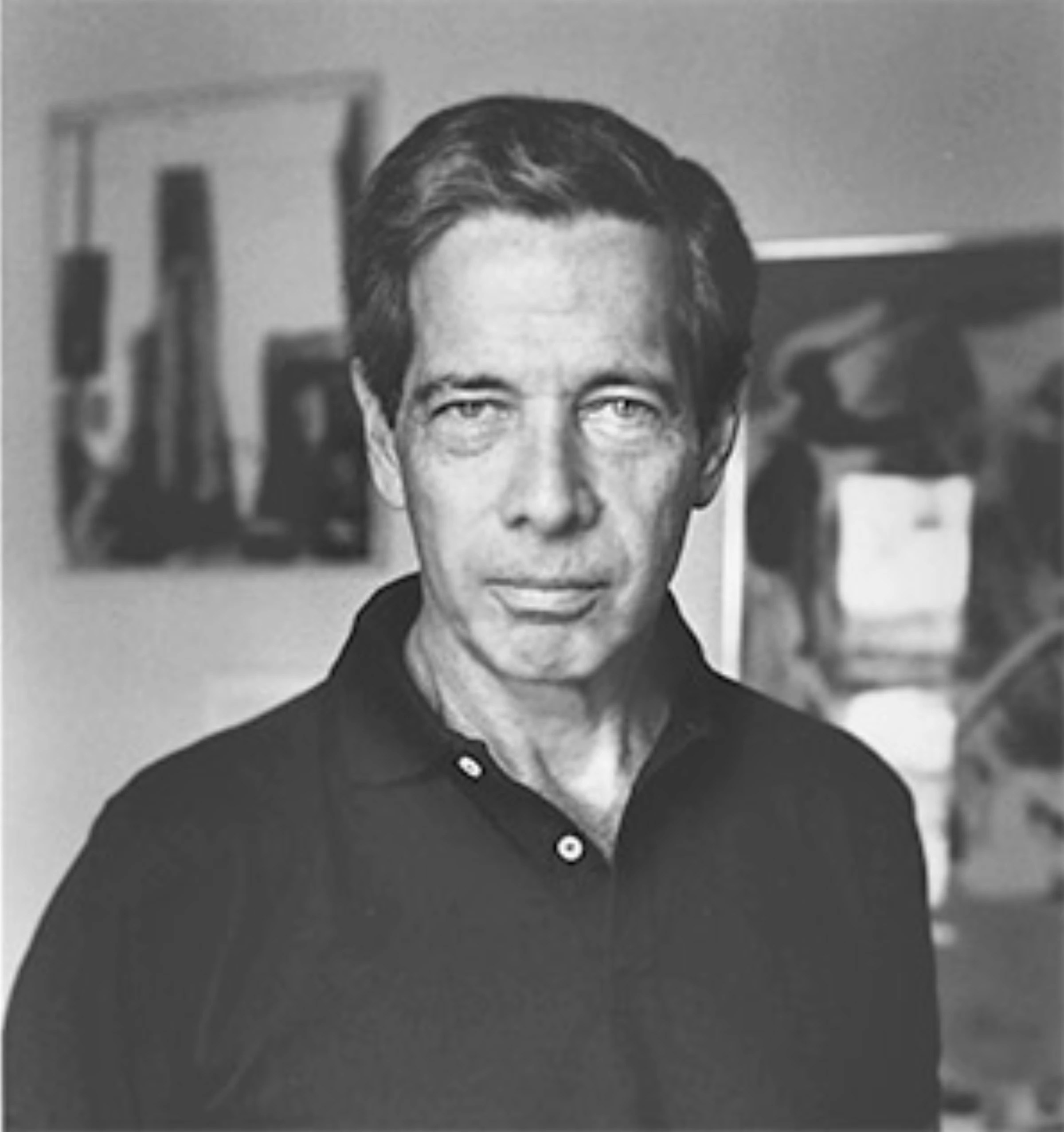
Calvin Tomkins Dies at 100, Closing a Foundational Chapter in American Art Writing
Calvin Tomkins, the longtime New Yorker writer who profiled generations of modern and contemporary artists, has died at 100. His reporting-first method shaped how broad audiences understood postwar art.
Calvin Tomkins has died at 100, ending one of the longest and most influential careers in American arts journalism. Across more than six decades at The New Yorker, he developed a reporting model that made complex artistic worlds legible to general readers without watering down stakes. He wrote profiles that documented studios, relationships, institutional politics, and changing ideas of modernism and contemporary practice. That method gave audiences a way into artists who might otherwise have remained inside specialist conversation.
Coverage of his death emphasizes his arc from Newsweek editor to New Yorker writer and the pivotal early interview with Marcel Duchamp that helped redirect his career. He then profiled figures across generations, including Robert Rauschenberg, Jasper Johns, Cindy Sherman, and many others. Tomkins repeatedly described himself as a reporter on art rather than a judge. That distinction mattered because it kept the focus on how artists worked and how institutions responded over time.
His legacy is also archival. Long-form profiles become durable historical records used by curators, critics, and students long after publication cycles end. Tomkins donated papers to MoMA, placing his process and correspondence inside a major research ecosystem. Readers who want to track institutional continuity can follow <a href="https://www.moma.org/research-and-learning">MoMA research resources, <a href="https://www.newyorker.com/culture">The New Yorker culture archive, and <a href="https://whitney.org/exhibitions">Whitney exhibitions for context around the artists and institutions he documented.
This death also lands at a difficult time for arts media. Legacy magazines face structural pressure, digital outlets fight for revenue, and institutional communications often fill narrative space once occupied by independent reporting. Tomkins represented a rare balance of access and editorial independence. He was close to his subjects but not captured by their branding, and his prose stayed clear even when art discourse became defensive or opaque.
The practical takeaway for editors and institutions is straightforward. If they value what Tomkins contributed, they have to fund the conditions that made his work possible: repeated interviews, long timelines, historical memory, and patient editing. Tribute language without structural commitment is empty. The field needs more reporting that builds records, not only reaction pieces that expire in days.
For readers building their own context, compare program material and archives across <a href="https://www.moma.org/calendar/exhibitions">MoMA exhibitions, <a href="https://www.metmuseum.org/exhibitions/listings">The Met exhibitions, and <a href="https://www.newmuseum.org/exhibitions">New Museum exhibitions. Tomkins's writing helps explain why these institutions remain central sites for interpreting postwar and contemporary art.
Tomkins also offered a template for relationship management in arts reporting. He cultivated long trust with artists, editors, and institutions while preserving enough distance to keep prose useful rather than promotional. That balance is increasingly hard when media economics reward speed and access rewards compliance. His archive demonstrates that credibility grows from consistency over years, not from hot takes during peak attention windows. For younger writers, this is practical guidance: build method, build memory, and write for readers who need context more than novelty.
His death will likely trigger retrospectives, but the stronger tribute is operational. Publications can assign fewer stories and report them better. Museums can open archives and commission independent writing that does not duplicate press copy. Universities can teach profile writing as a research form, not only a literary form. If those shifts happen, Tomkins's influence remains active inside current institutions rather than sealed into anniversary nostalgia.