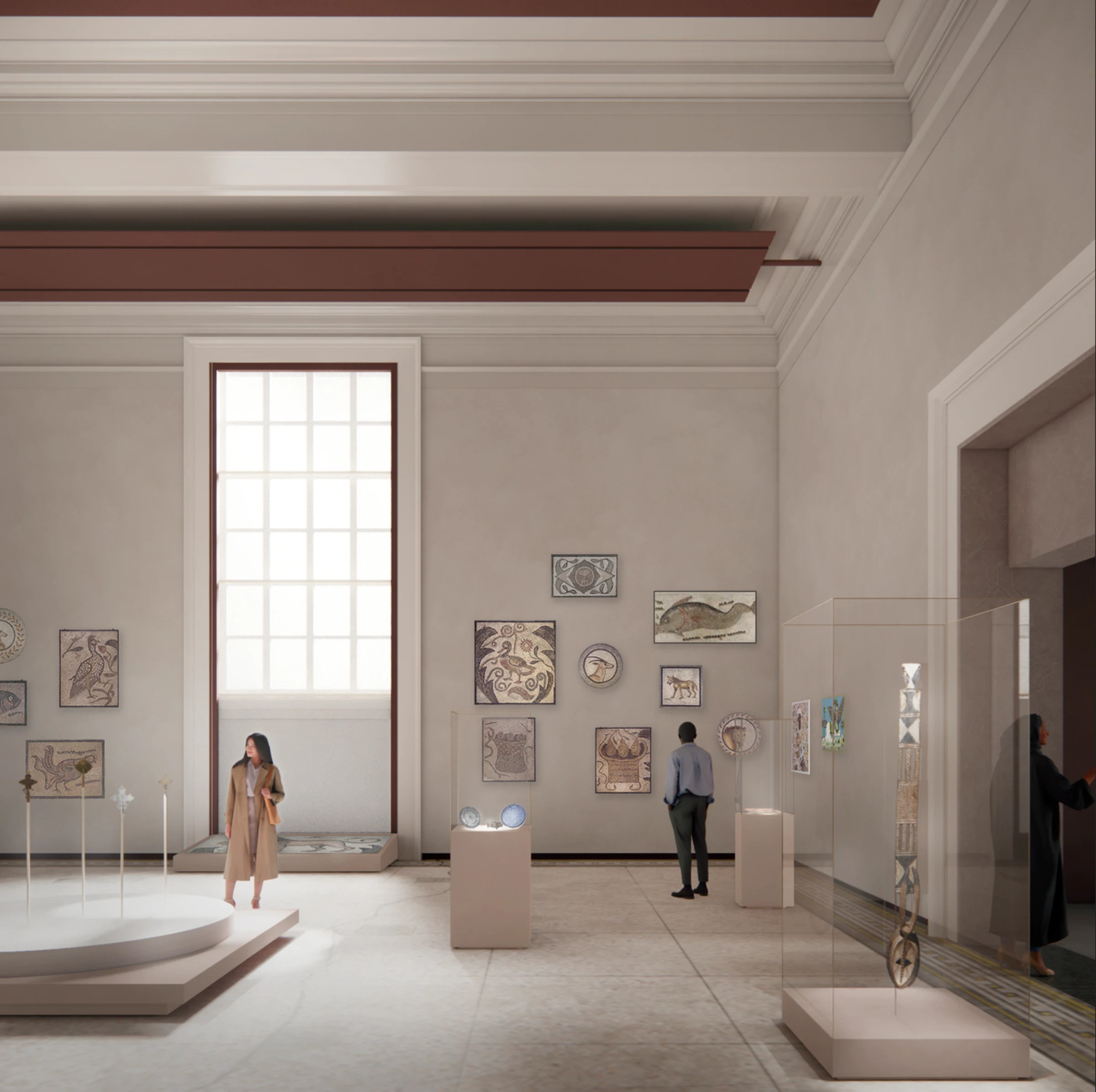
Brooklyn Museum Plans a New Home for African Art, Resetting How US Museums Stage Continental Histories
Brooklyn Museum has commissioned Peterson Rich Office to build a new permanent home for its African collections, with opening targeted for 2028.
The Brooklyn Museum has announced a dedicated new home for its African art holdings, with New York architecture firm Peterson Rich Office commissioned to design the space. The plan is not a cosmetic gallery shuffle. It is a structural intervention in how one of the United States' major encyclopedic museums will frame African material culture for the next generation of audiences.
According to museum statements and trade coverage, the new galleries are expected to consolidate installations that currently sit across different zones of the building and across older interpretive frameworks. Consolidation matters. In museum practice, placement determines argument. A collection spread across inherited rooms often reads as category, while a purpose-built sequence can read as history, method, and intellectual position.
The timing is equally significant. Across North American institutions, African collections are being recontextualized amid restitution debates, provenance scrutiny, and pressure to move beyond ethnographic display models. The Brooklyn Museum has signaled that this project is meant to create a contemporary curatorial framework, not simply upgraded casework. That means architecture, lighting, narrative sequencing, and public programming have to carry argument together.
For trustees and directors watching peer institutions, this project lands in a competitive field. Museums are now judged not only on what they own, but on how seriously they can reinterpret what they own. Capital projects around African art are high signal because they expose whether governance is willing to fund interpretation at the same scale it funds acquisition and blockbuster programming.
Peterson Rich Office has built a reputation for cultural projects that combine spatial clarity with social and institutional sensitivity. Their role here will be tested by a difficult brief: build galleries that can host precolonial, colonial, and contemporary trajectories without flattening difference. The best African art displays now reject a single civilizational story and instead present networks of makers, regions, ritual uses, trade circuits, and later institutional capture.
There is also a collections management layer beneath the public narrative. New gallery builds usually trigger conservation reassessment, mount redesign, environmental recalibration, and transport planning. Those operations are expensive and often underreported, but they are where scholarship gains durability. If Brooklyn executes this stage well, the galleries can become a research platform, not only a visitor destination.
In market terms, institutional investment in African collections continues to influence collector behavior. Museum-level reframing affects which artists, workshops, and historical lineages receive sustained attention in fairs, auctions, and private advisory channels. A major permanent installation tends to stabilize visibility over years, while temporary shows produce shorter attention spikes. For collectors focused on long-horizon positioning, that distinction matters.
The announcement also arrives as US museums face credibility pressure from multiple fronts: equity claims, funding constraints, labor tensions, and ideological scrutiny from state and federal actors. In this climate, building new galleries is never neutral. It is a governance statement about what knowledge deserves permanent square footage. Brooklyn appears to be making that statement clearly, and now the execution phase will determine whether the institution can match rhetoric with curatorial precision.