Berlin Modern’s Delay to 2030 Intensifies Questions About Cost, Climate, and Museum Construction
The planned Berlin Modern museum has been pushed to 2030 after moisture and contamination issues, with estimated costs rising from €200 million to €507 million.
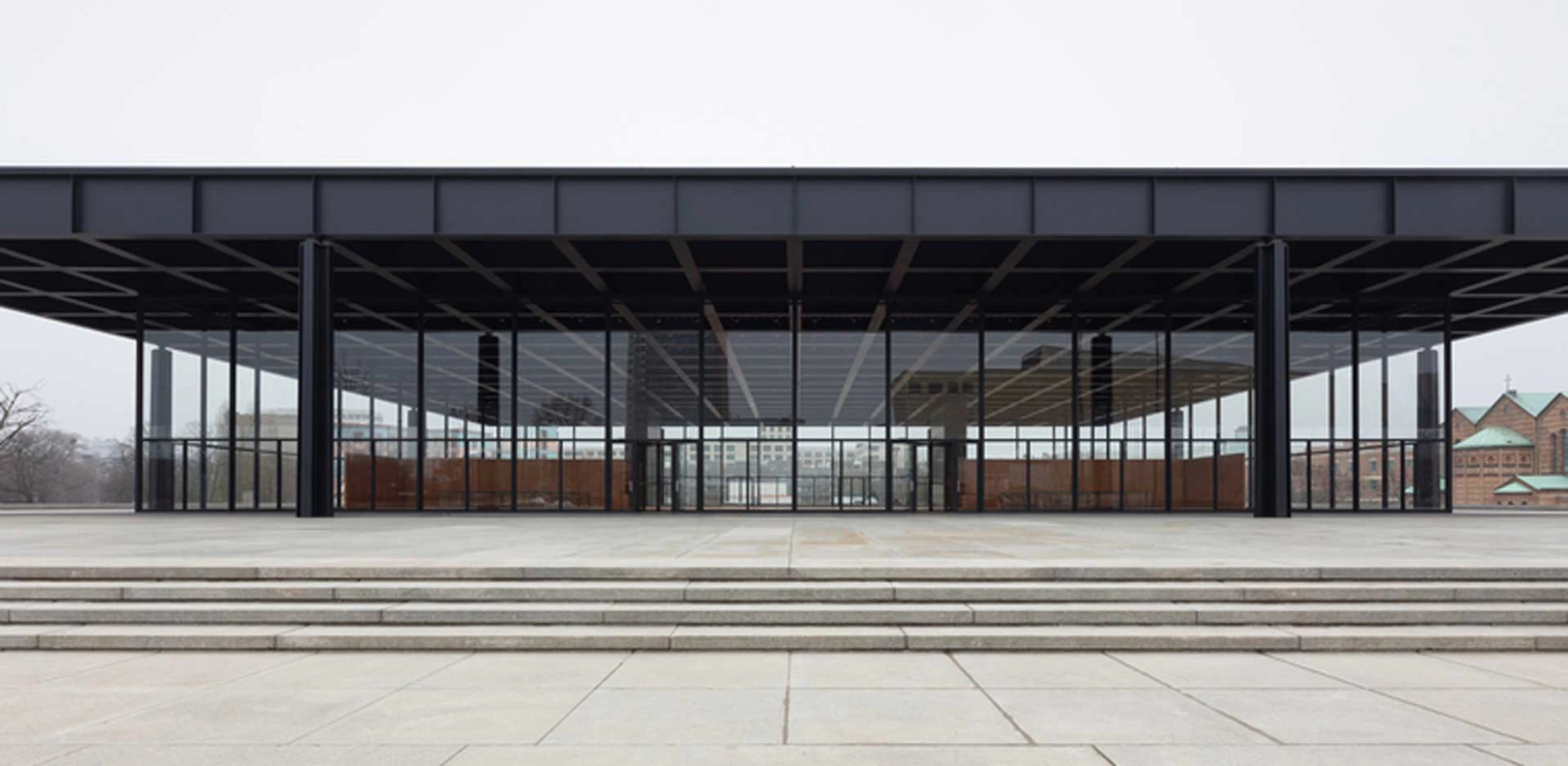
The opening of Berlin Modern, the planned extension to the Neue Nationalgalerie at Kulturforum, has been delayed to 2030 after significant building-shell moisture damage and reported microbial contamination. The schedule shift would already be headline material for one of Europe’s most visible museum projects. The more consequential number is financial: projected construction costs have reportedly risen from €200 million to €507 million. In a period when public arts funding faces inflation pressure across the continent, that escalation is not a local inconvenience, it is a governance problem with national implications.
Berlin Modern was introduced as a strategic expansion of Germany’s federal museum infrastructure, intended to address collection display needs and strengthen Berlin’s institutional capacity for twentieth and twenty-first century art. The project is tied to the wider mission of the Prussian Cultural Heritage Foundation and sits beside the operational ecosystem of the Neue Nationalgalerie. That adjacency raises expectations. Berlin is not building a stand-alone icon. It is attempting to add long-term capacity to one of Europe’s core institutional networks.
Technical failure in this context is politically expensive. Water ingress and envelope issues in a museum project are not cosmetic flaws, they directly affect future conservation risk, mechanical load, and life-cycle costs. Even when construction does not fully halt, remediation can compound into redesign, sequencing disruption, and delayed commissioning of climate systems. Critics had already questioned the project’s environmental logic, especially around concrete intensity and energy demand. The delay gives those arguments new force because ecological critique is now coupled with observable build instability.
The architecture office Herzog & de Meuron remains central to the project’s identity, and that design prestige has often framed public discussion. But prestige does not absorb budget overrun or reduce operational exposure. For collectors, trustees, and cultural policymakers, the Berlin Modern case underlines a point that museum boards still underweight: architectural ambition must be tested against long-horizon maintenance realities from the first planning phase, not after groundbreaking. The real cost center in contemporary museum construction is usually decades of climate control, not opening-night visibility.
There is also a curatorial cost to prolonged delay. Every year of postponement postpones collection strategy decisions, exhibition planning, staffing alignment, and audience development. Institutions start to operate in provisional mode, reallocating programs while waiting for promised square footage that does not arrive on schedule. For artists and lenders, uncertainty affects production and loan confidence. For publics, repeated timeline resets erode trust in cultural infrastructure promises, especially when budgets continue to climb.
Berlin Modern is still likely to open eventually. The more immediate question is what kind of precedent it sets for the next generation of European museum projects. If institutions and governments treat this as an isolated technical setback, they will repeat the same planning assumptions elsewhere. If they treat it as a structural warning about procurement, environmental engineering, and governance transparency, the delay may produce value beyond Berlin. In an era of constrained public budgets and climate accountability, the strongest museum projects will not be those that render best in competition images, but those that can deliver reliable, sustainable, and financially legible performance over decades.