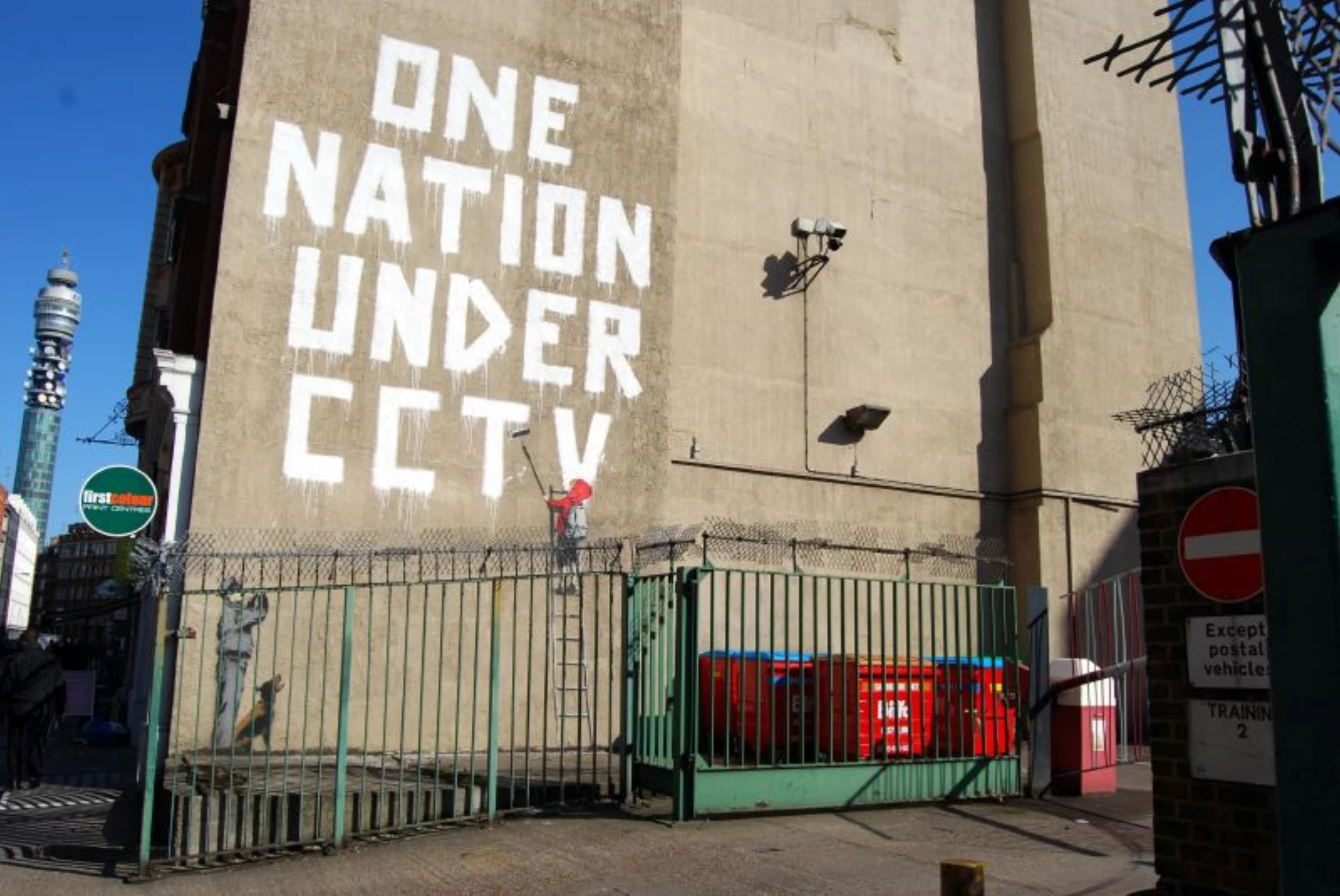
Banksy Anonymity Debate Returns as Press Ethics and Privacy Claims Collide
A Guardian letters exchange on unmasking anonymous artists has reopened a persistent fault line between public-interest journalism, artistic persona, and personal privacy.
A fresh letters exchange around attempts to identify Banksy has reopened an argument that the art world never fully resolves: where public-interest reporting ends and privacy violation begins. The immediate trigger was commentary on unmasking anonymous artists, but the underlying stakes are practical for institutions, collectors, and publishers managing work whose authorship is intentionally mediated.
Anonymous practice is not a niche edge case. It sits at the center of contemporary debates around authorship, rights management, and market value. When identity exposure claims surface, the effects move quickly through authentication channels, legal advisories, and collection management workflows. That is why this conversation cannot be handled as gossip culture. It is an operational question for anyone with financial or institutional exposure.
In the Banksy ecosystem, key reference points already exist. The artist's public-facing platform at banksy.co.uk functions as a selective publication channel, while Pest Control remains central to authentication. Museums and public collections, including Tate, provide an additional layer by framing works through curatorial and archival standards rather than identity speculation.
The core tension is methodological. Investigative reporting, speculative commentary, and invasive data extraction are not equivalent practices, yet they are often grouped together under the language of unmasking. For institutions, that collapse is dangerous. If communications teams do not distinguish evidentiary claims from rumor cycles, they risk amplifying narratives that have no legal or scholarly standing.
Collectors face a parallel challenge. In anonymous-artist markets, value narratives frequently attach to aura and scarcity. Those factors can support demand, but they are fragile unless documentation is resilient. Buyers should therefore prioritize chain-of-title clarity, issuer authority, and rights documentation before treating publicity spikes as validation.
For curators, the professional obligation is to keep attention on the work while acknowledging authorship conditions honestly. That means resisting exhibition language that slips into identity theater, especially during volatile media windows. It also means preparing institutional responses in advance for attribution claims that emerge mid-program.
This debate will recur because the incentives around revelation are durable, traffic, prestige, and market volatility all reward escalation. The durable response is procedural discipline. Separate reporting from intrusion, verification from speculation, and documentation from narrative heat. Institutions and collectors who adopt that discipline can engage anonymous practices seriously without becoming captive to the next identity cycle.