Asia Art Archive Announces Spring 2026 Program for Its 25th Anniversary Year
Asia Art Archive’s spring season ties exhibition, publication, and archival training initiatives to its broader 25th-anniversary strategy.
Asia Art Archive has announced a spring 2026 program that extends its 25th-anniversary platform Archive for All: Growing with Communities, combining exhibition work, artist scholarship, publishing, and region-wide archival training. The Hong Kong-based institution outlined the season in an e-flux announcement, with programming calibrated to both public-facing visibility and field-level capacity building.
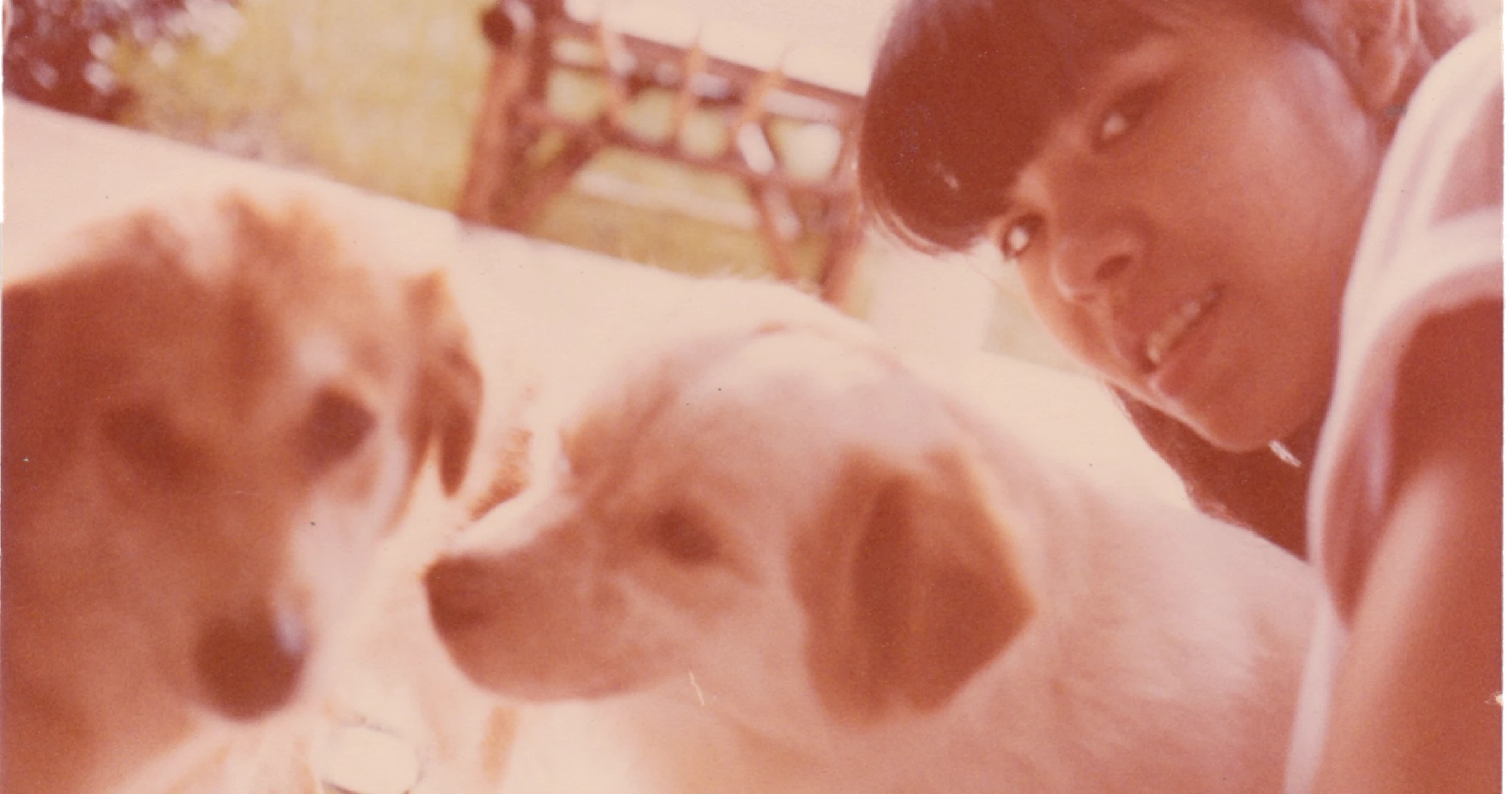
At the center is At 25: Artists’ Early Worlds, a two-part exhibition inviting eight contemporary artists from across Asia to reflect on what their practices looked like at age twenty-five. The first chapter features Ho Tzu Nyen, Hsieh, Araya Rasdjarmrearnsook, and Zhang Xiaogang, pairing artworks with rare archival materials to map formative contexts rather than presenting mature careers as self-contained outcomes.
That curatorial premise is strategically sharp. It shifts attention from retrospective triumph narratives to formative conditions, including institutions, social worlds, and material constraints that shape artistic language early on. In doing so, AAA reinforces its core argument that archives are not only repositories of completed history but instruments for re-reading artistic emergence.
AAA’s strongest move is treating archiving as public infrastructure and cultural power, not as an after-the-fact administrative task.
The season also includes the Annual Artist’s Lecture by Zhang Xiaogang and a high-profile launch of Hong Kong Art: A Curator’s History (1987-2004) by Oscar Ho at Art Basel Hong Kong. Positioning a historically grounded publication inside a global market event is not incidental. It places local art-historical discourse into a transnational visibility circuit where Hong Kong narratives are often compressed into sales headlines.
Beyond events, AAA is pushing practical archiving tools through an Archiving Handbook and workshops across Hong Kong, Chengdu, Macau, Hangzhou, and Riyadh, while its India initiative continues closed-door South Asia archive workshops with support from the Hauser and Wirth Institute. This dual model of open resources and focused practitioner cohorts indicates serious method design, not broad awareness messaging.
For the region’s ecosystem, the implication is clear: AAA is consolidating its role as both memory institution and training platform. That matters as artists, estates, and independent spaces confront preservation risks tied to funding volatility, technological churn, and uneven institutional support.
If spring delivery lands as planned, AAA’s anniversary year will read less as celebration and more as infrastructure consolidation. In a field that frequently underinvests in archival labor, this is one of the most concrete examples of an institution treating historical continuity as a present-tense cultural responsibility.
The anniversarial framing is also disciplined rather than nostalgic. Instead of recycling institutional milestones, AAA is using the moment to distribute tools, expand methodologies, and test cross-city archiving formats. That creates practical spillover beyond the organization itself: artists and curators can adopt protocols, vocabularies, and preservation habits that remain useful long after the anniversary cycle ends.
In practical terms, this is what maturity looks like for an archive-led institution: public programs that attract attention, paired with technical frameworks that outlast the event cycle. AAA’s spring plan suggests it understands both requirements and is building toward permanence on both fronts.
That combination of scholarship, pedagogy, and publication is why the spring slate matters beyond Hong Kong. It demonstrates a replicable model for archive-centered institutions working across fragmented art ecosystems.