Arthur Bondar’s WWII Negative Archive Turns Preservation Into Resistance
Photographer-collector Arthur Bondar has assembled roughly 35,000 wartime negatives and moved them out of Russia, positioning raw image archives as a frontline against state-managed memory.
Arthur Bondar’s archive of World War II negatives has become one of the most important image-preservation projects currently operating between art history and geopolitical reality. What began as an obsessive collecting practice now functions as a live defense against historical distortion.
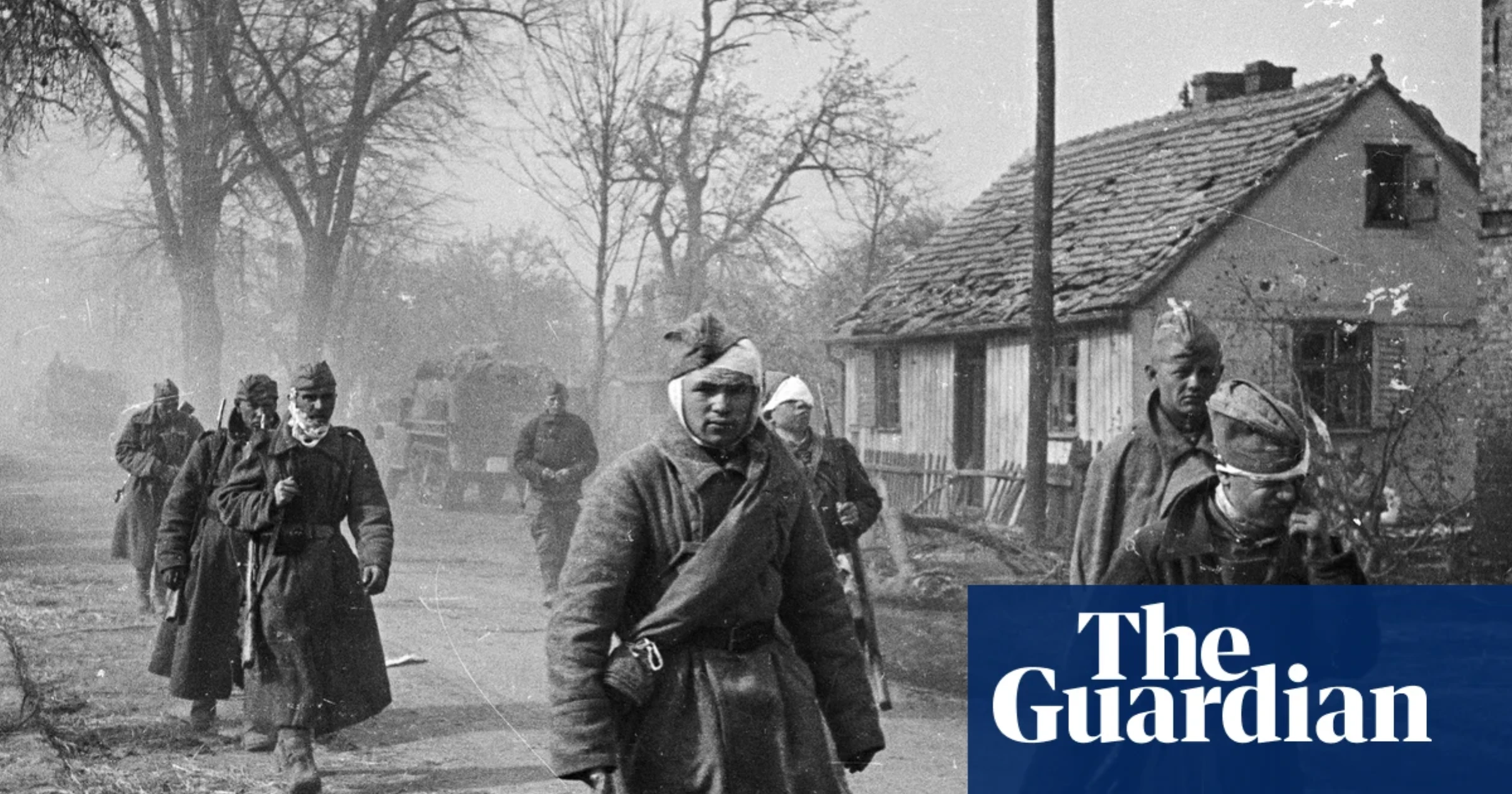
Bondar, a Ukrainian photographer and publisher, has assembled approximately 35,000 negatives from both professional and amateur makers. The archive spans multiple fronts and geographies, including Soviet, German, and Allied contexts. His core method is deliberate: collect negatives, not prints, because negatives retain the closest available layer to the original exposure.
That emphasis matters in postwar visual culture, where cropped prints, altered captions, and retrospective propaganda packaging have repeatedly reshaped public memory. Bondar’s approach treats material provenance as political infrastructure. In his framing, preservation is not neutral housekeeping. It is a form of evidentiary resistance.
The archive was not built under stable conditions. Bondar transported major portions of the collection out of Russia in 2023, facing legal and personal risk while moving materials in stages. He now operates from exile, continuing cataloging, publication, and exhibition work while his homeland remains under active war pressure.
What distinguishes the collection is not only scale but tone. Alongside military scenes, the negatives include social fragments, wounded bodies, waiting periods, and informal interactions that complicate triumphalist narratives. This is exactly the material that state storytelling tends to suppress, because ambiguity weakens myth.
For curators, the archive presents a clear challenge and opportunity. It demands exhibition formats that foreground image lineage, metadata discipline, and contextual transparency. Showing war photography without provenance language is increasingly indefensible, especially in an era of synthetic image production and accelerated disinformation.
For publishers and educators, Bondar’s project offers a model for how to reactivate archives publicly: digital access, books, and site-specific exhibitions that reconnect historical material to present civic questions. Preservation without circulation has limited impact. Bondar’s strategy is to preserve and publish in tandem.
Readers can track the primary reporting at <a href='https://www.theguardian.com/world/2026/mar/14/negatives-are-photographic-truths-the-collector-who-fled-russia-with-a-haul-of-second-world-war-images' target='_blank' rel='noopener'>The Guardian, then compare institutional framing around wartime image archives via <a href='https://www.icp.org/' target='_blank' rel='noopener'>ICP and the archival resources of <a href='https://www.iwm.org.uk/collections' target='_blank' rel='noopener'>Imperial War Museums.
The larger lesson is straightforward. In 2026, archives are not background assets for curatorial footnotes. They are contested civic systems. Bondar’s work shows what it looks like when one photographer treats that fact seriously and builds infrastructure around it.
There is also a market implication. As wartime photography becomes increasingly circulated in books, exhibitions, and online collections, the value of transparent provenance will rise faster than the value of isolated iconic images. Institutions that invest now in source verification, rights clarity, and contextual scholarship will be better positioned than those relying on aesthetic impact alone. Bondar’s archive points toward that future: less spectacle, more evidence, and a stricter ethics of visual memory.
For artworld.today readers, this is the key strategic point: preservation practices are becoming editorial practices. What gets collected, attributed, and contextualized now will determine what future audiences believe actually happened.
That shift is already underway across museums, archives, and independent publishing.