Art Cologne Returns to Mallorca With a Deliberately Spanish Fair Model
After a short-lived attempt in 2007, Art Cologne relaunches in Palma with 88 galleries and a format designed around local infrastructure rather than a German export template.
Art Cologne, the longest-running art fair brand in Europe, is relaunching in Mallorca with a playbook that differs from its first try almost twenty years ago. The fair’s 2026 Palma edition arrives after a failed 2007 outing, but this time organizers are framing the event as a regional platform with international reach, not a satellite clone of Cologne.
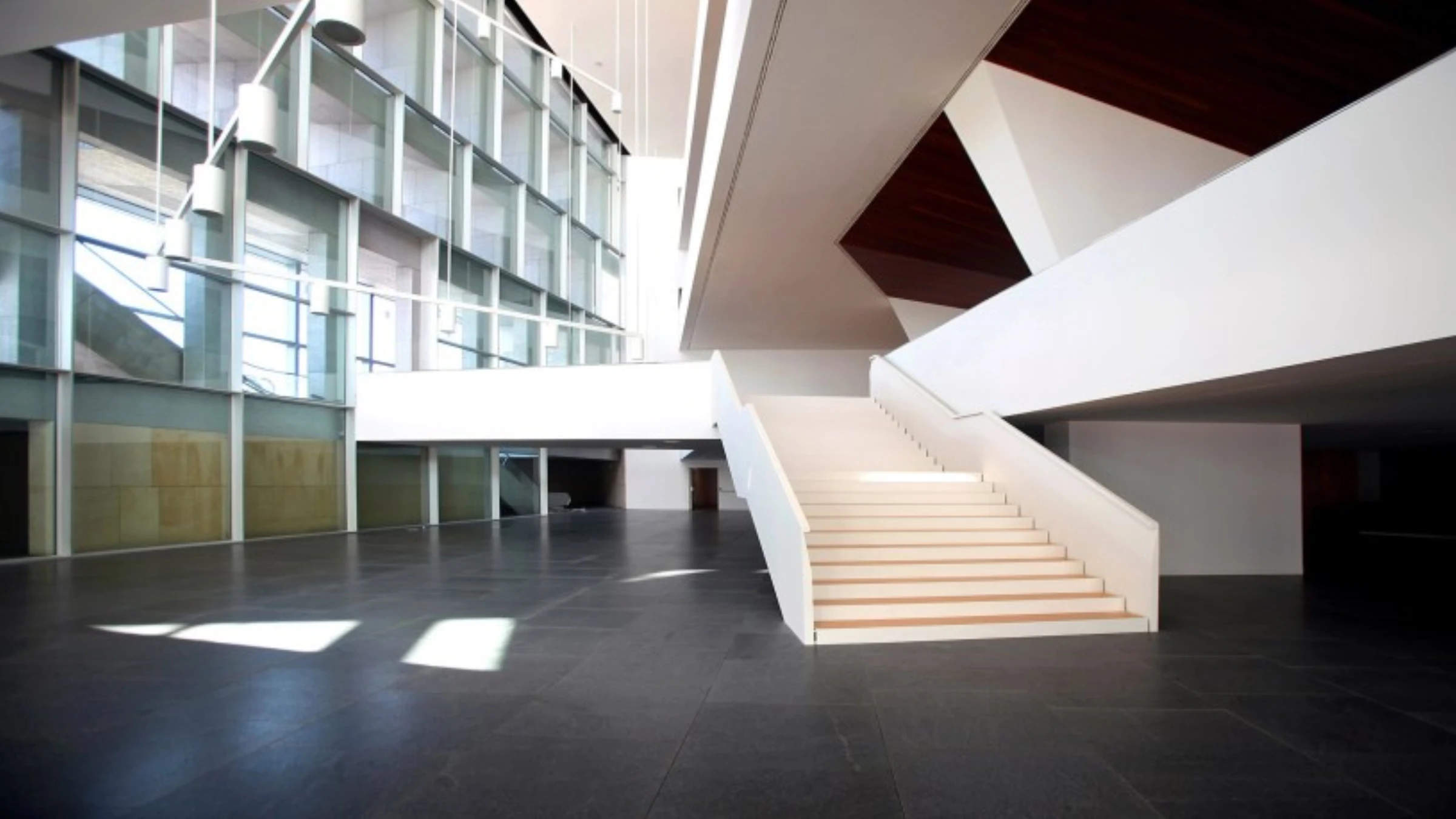
The new event, staged at the Palau de Congressos de Palma, gathers 88 galleries. Thirty-two are from Spain, with a sizable Mallorca contingent, while Germany contributes 26 and the remainder comes from a wider European and transatlantic mix. Director Daniel Hug’s public comments make the strategy explicit: the fair is meant to be embedded in the Balearic ecosystem rather than imposed on it.
This distinction is central to why the restart is plausible in 2026. In 2007, Mallorca had established spaces but lacked enough younger galleries and connected infrastructure to sustain a recurring fair cycle. Today the ecology looks different. Local operators such as Art Palma Contemporani have built continuity, and the broader islands have attracted heavyweight names and seasonal collector traffic. A fair can now rely on existing circuits instead of trying to invent them from scratch.
Market structure also supports the move. Mid-tier and upper-mid galleries have become more selective about where they exhibit, with mounting pressure on logistics and booth costs. Regional fairs that can offer concentrated buyer access, strong institutional programming, and clearer social density are regaining strategic value. Mallorca’s appeal is not only weather or leisure branding, it is flight connectivity, hotel capacity, and a collector profile already trained by luxury real estate and hospitality networks.
Art Cologne’s internal format split between a conventional section and the more experimental Parkour track reflects current exhibitor demands. Dealers want standardized sales conditions, but they also want latitude to stage less predictable presentations that stand out against fair uniformity. Giving both options under one roof is practical. It allows younger galleries to test ambitious installs while established galleries maintain the commercial rhythm expected by returning clients.
For Spain, the fair adds another layer to a market map that has historically tilted toward Madrid and Barcelona. Palma offers a different scale and seasonality, and it is already surrounded by private foundations, commercial spaces, and nearby island initiatives in Menorca and Ibiza. If organizers can maintain quality control and avoid overexpansion, the Palma edition could become a meaningful spring anchor rather than a novelty stop.
For Germany, the move is a subtle repositioning of a legacy fair brand. Art Cologne is signaling that continuity does not require territorial rigidity. It can preserve identity in Cologne while extending influence through carefully adapted local editions. That matters in a competitive fair landscape where global giants dominate attention but regional credibility often determines longevity.
The real test starts after launch year. A revived fair can generate curiosity once. To endure, it must deliver repeatable outcomes: sales depth across price levels, museum engagement, and enough curatorial seriousness to convince galleries that the trip is more than a scenic detour. Palma now has the ingredients. What remains is execution discipline across editions.