Art Basel UBS Report Signals Fourth Year of Contemporary Cooling
The latest Art Basel UBS findings point to a continued retreat in contemporary buying while older categories regain momentum, suggesting a broader risk reset rather than a short-term wobble.
The new Art Basel UBS market report lands with a familiar but now structurally important message: contemporary art has cooled for a fourth consecutive year while legacy categories, especially Old Masters and Impressionist material, are regaining ground. Four years is not a blip. It is long enough to force re-planning across galleries, auction houses, advisors, and institutions that built operating assumptions on a different cycle.
At the center is a shift in collector psychology. In high-volatility periods, demand does not disappear; it reallocates toward assets that feel more legible over time. In the art context, legibility means provenance depth, scholarship density, museum familiarity, and a market history broad enough to reduce single-artist narrative risk. The report's contrast between contemporary softness and historical resilience is consistent with that logic.
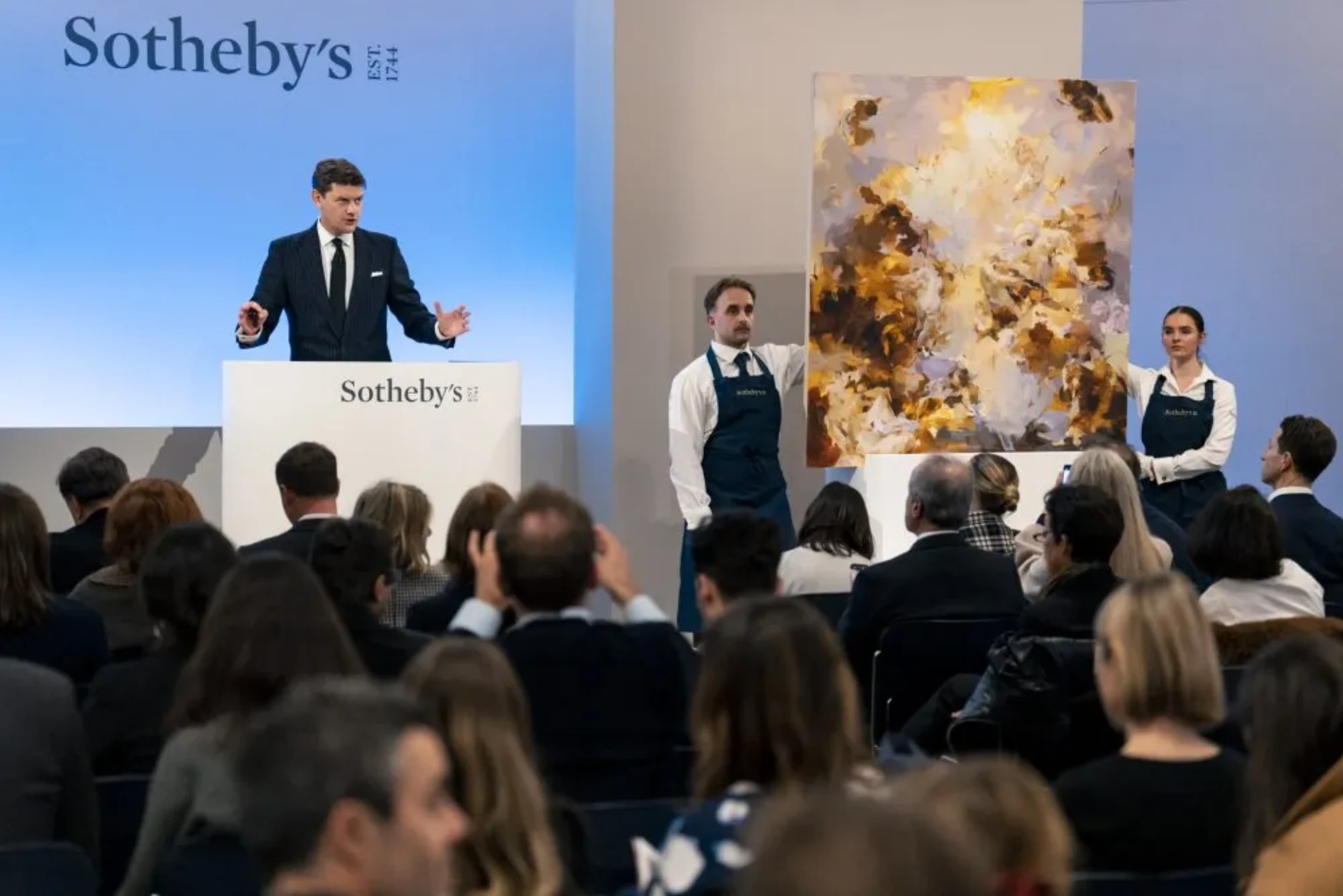
Auction behavior already reflects the adjustment. Evening sale theater in recent years rewarded novelty velocity, where younger names moved quickly from primary hype into secondary validation. The current climate favors catalog framing anchored by historical reassurance and fewer speculative leaps. That does not eliminate appetite for living artists, but it changes how buyers price confidence and how houses structure estimates and guarantee exposure.
For galleries, the implication is discipline. Businesses that expanded around peak-demand assumptions now need stronger inventory pacing, clearer price ladders, and less dependence on one fair cycle to carry annual targets. The organizations likely to outperform are those that pair primary placements with sustained curatorial context, rather than treating each release as a stand-alone event. Building durability now requires publishing, institutional partnerships, and thoughtful secondary stewardship.
Museums should read this moment strategically. When private demand pressure cools, acquisition committees can often negotiate with more leverage, especially for mid-career artists whose long-term significance is stronger than short-term market heat suggests. Institutions that stay active through downturn conditions may secure works that would have been inaccessible during higher-velocity years. The opportunity is real if governance and acquisition policy are prepared.
Advisory firms also face a reset in client language. A growth story built on rapid turnover and momentum narratives is harder to defend in a market rewarding historical ballast. The better advisory posture now is thesis clarity: why this artist, why this period, why this medium, and what institutional signals support the recommendation across a five- to ten-year horizon. Clients are asking for downside frameworks, not just upside possibility.
None of this means contemporary relevance is fading. It means the basis of value attribution is changing from speed to structure. Artists with robust critical framing, coherent bodies of work, and institutional traction should continue to find support. Artists carried mainly by scarcity theatrics and social momentum will face a steeper test. That distinction is healthy for the field, even if painful for participants built around acceleration.
The broader takeaway from this report is less about winners and losers and more about operating tempo. The market is still active, but it is selecting differently. In 2026, depth beats velocity, context beats noise, and long-horizon confidence beats speculative churn. Stakeholders that adapt their practices to that reality can still grow. Those waiting for a simple return to boom-era conditions may spend another year out of position.
Related context from Art Basel, the annual UBS market partnership, and auction benchmarks from Sotheby's and Christie's points to the same conclusion: collectors are not exiting; they are repricing conviction.