Art Basel Hong Kong Sales Show a Regional Market With Institutional Muscle
Day-one business at Art Basel Hong Kong showed solid seven-figure sales, fewer Western mega-buyers, and a stronger Asia-led institutional base shaping price discovery.
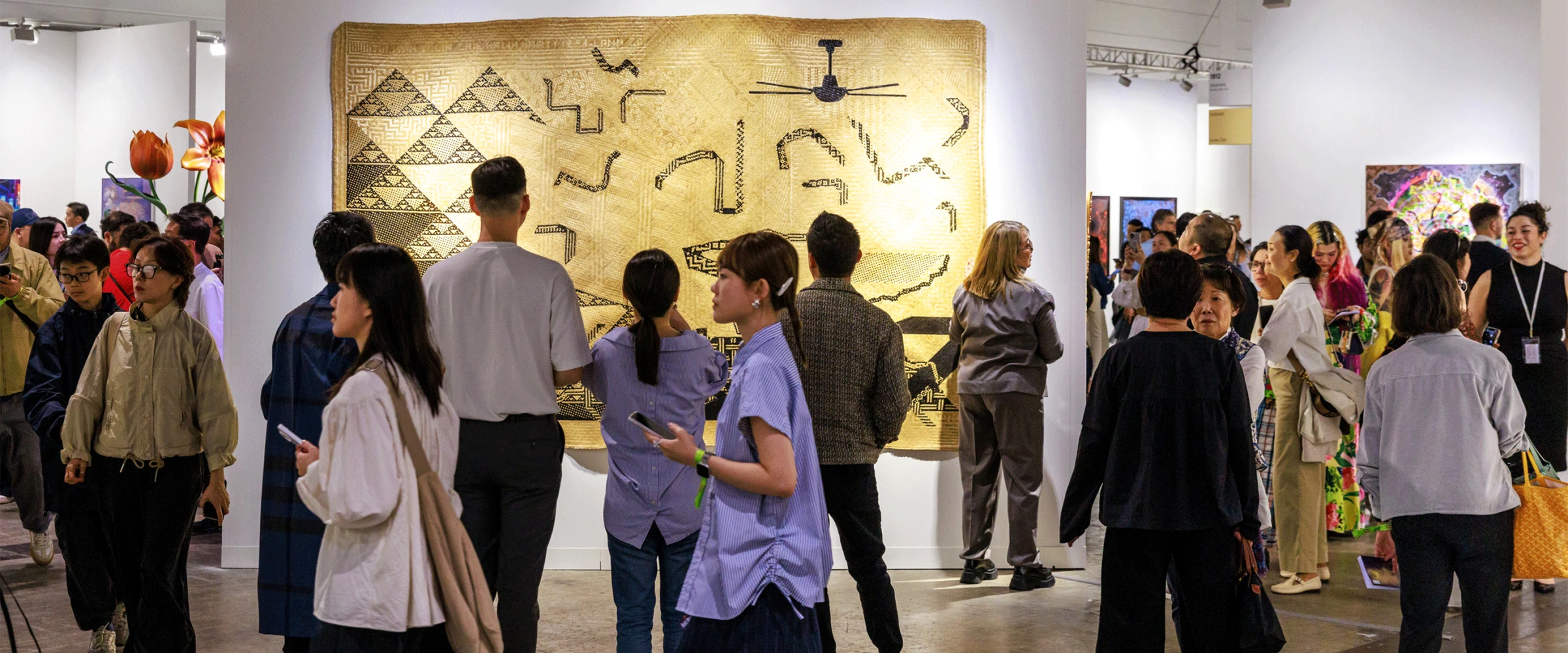
Art Basel Hong Kong opened with a familiar contradiction, strong blue-chip transactions on paper, and a noticeably different buyer mix on the floor. The early read from dealers and advisers was not panic, and not euphoria either. It was calibration. A fair once measured by how many transatlantic collectors flew in now appears to be increasingly measured by how deeply the regional ecosystem can absorb high-value inventory. That distinction matters for pricing power through 2026.
According to The Art Newspaper, dealers announced multiple seven-figure placements on VIP day, including major transactions reported by David Zwirner, Hauser & Wirth, and White Cube. Yet the top end remained below the dramatic pre-pandemic highs that once dominated opening-day headlines. This was a market willing to transact, but less willing to overpay for theater.
The structural shift is geographic. Europe-based private collectors were thinner on the ground, while buyers tied to Asia and Asia-linked institutions were visibly active. Fair leadership framed attendance as stable year over year, and that stability may be the real signal. If a regional base can sustain liquidity without heavy dependence on Western VIP traffic, Hong Kong's fair economy becomes less cyclical and more self-propelling.
There is a second-order effect here for galleries, especially those balancing global programming with rising operating costs. Booth strategies in Hong Kong are moving from speculative volume toward selective confidence, fewer bets on momentum and more emphasis on artists with durable institutional narratives. That approach aligns with a collector class that is now slower, more comparative, and less impressed by urgency tactics that worked during the ultra-contemporary surge.
The wider city context reinforces the fair's positioning. New gallery openings across Hong Kong, plus institutional circulation between the city and mainland Chinese museums, have created a thicker infrastructure for sustained demand. As Art Basel Hong Kong continues to frame itself as the region's core convening platform, the quality of local and regional institutions may matter more than one-off billionaire acquisitions.
For collectors, the tactical lesson is straightforward. The current environment rewards preparation over speed. Buyers who arrive with clear artist theses, medium-specific comparables, and a view on institutional follow-through are more likely to extract value than buyers chasing opening-day signal noise. For galleries, the path is equally clear, present work that can survive scrutiny from curators and foundation boards, not only quick private flips.
This edition's opening suggests that Asian market depth is no longer a future narrative, it is a present operating condition. The question is not whether Hong Kong can host a global fair. It can. The question is whether the fair can keep matching its commercial architecture to a region where institutional legitimacy, not speculative adrenaline, increasingly determines what sells and at what level. Day one suggests that transition is already underway.
One final practical read for this week, collectors should not confuse visible activity with market breadth. A fair can look crowded and still be narrow at the transaction layer. Tracking conversion by price band, medium, and buyer geography gives a more reliable picture than headline booth traffic.