Hong Kong Locks In Art Basel for Five More Years and Raises the Stakes for the Whole Market
A new five-year agreement between Hong Kong’s government and Art Basel secures the fair’s regional base while tying the city more tightly to premium arts-trading strategy.
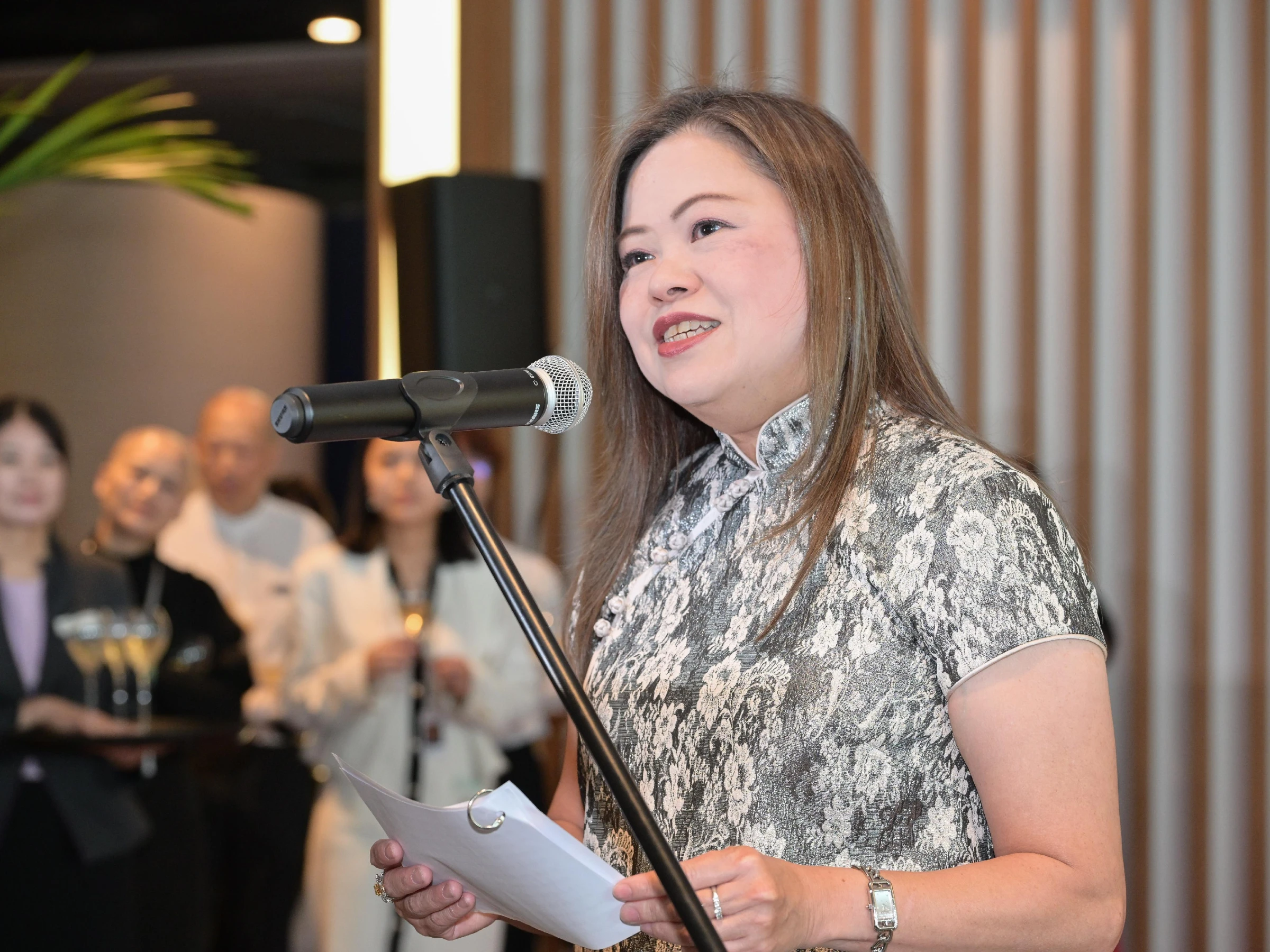
Hong Kong’s government has signed a five-year agreement with Art Basel that secures the city as the fair’s exclusive regional host and turns what was already an entrenched relationship into an explicit industrial policy. In a statement from the Culture, Sports and Tourism Bureau, officials said the deal will deepen collaboration with Art Basel over the next five years, keep the annual fair in March, and extend cooperation around public art, education, and broader market development. That language is telling. Hong Kong is not treating Art Basel as a visiting spectacle. It is treating it as an anchor tenant in the city’s premium cultural economy.
ARTnews framed the agreement as a move to keep the fair in place through the next phase of regional competition. The government statement is more direct: the partnership is meant to reinforce Hong Kong as a global hub for premium arts trading and as an East-meets-West center for international cultural exchange. That distinction matters for galleries and collectors because it shifts the conversation away from fair-week glamour and toward infrastructure. A city that publicly binds itself to a fair for five more years is betting on customs efficiency, banking, hospitality, shipping, and collector confidence all moving in tandem.
The numbers help explain why. According to the government, the 2025 edition drew 240 galleries from 42 countries and regions and attracted roughly 86,500 visitors, with more than half traveling to Hong Kong specifically for the event. The 2026 Art Basel Hong Kong guide positions this year’s fair as a 240-gallery edition rooted in Asia Pacific while broadening its public program, institutional collaborations, and digital-art ambitions through Zero 10. Put plainly, the fair is no longer just a marketplace that happens to sit in Hong Kong. It is part of how Hong Kong narrates itself to the world.
For dealers, the agreement reduces one kind of uncertainty while raising another. It reassures the market that Hong Kong remains the default regional platform for top-tier sales and institutional courting. At the same time, it intensifies pressure on galleries to justify participation costs in a market where buyers are more selective and geopolitics remains volatile. Stability at the level of venue does not automatically mean ease at the level of transaction. But fairs matter precisely because they compress time, attention, and access. A renewed government commitment makes that compression more valuable, not less.
The deal also clarifies the balance of power in Asia’s fair ecosystem. Seoul, Singapore, and increasingly ambitious Gulf and mainland initiatives all want a larger share of global collector traffic. Hong Kong’s advantage has never been novelty. It is concentration: auction houses, tax structure, logistics, bilingual business culture, and the ability to convene Western and Asian galleries on equal commercial footing. By formalizing the Art Basel relationship, the city is saying that this concentration is still its strongest export.
There is also a quieter institutional angle. The official statement says Art Basel Hong Kong will continue supporting public art promotion, education, and strategies for the local ecosystem. Those promises should be watched carefully. Fair-led cultural ecosystems can broaden audiences, but they can also pull disproportionate attention toward market-facing programming. The healthiest outcome would be one in which the commercial magnet of the fair strengthens museums, nonprofits, artist networks, and civic cultural life beyond fair week. The weakest outcome would be a city that grows better at hosting VIPs than at sustaining artists.
For now, the signal is unmistakable. Hong Kong has chosen to double down on the art trade at a moment when many cultural capitals are speaking more cautiously about growth. The five-year deal does not guarantee market dominance, and it will not erase regional competition. What it does is make one point impossible to miss: Hong Kong intends to remain the place where the Asian art market conducts its most visible annual self-portrait.