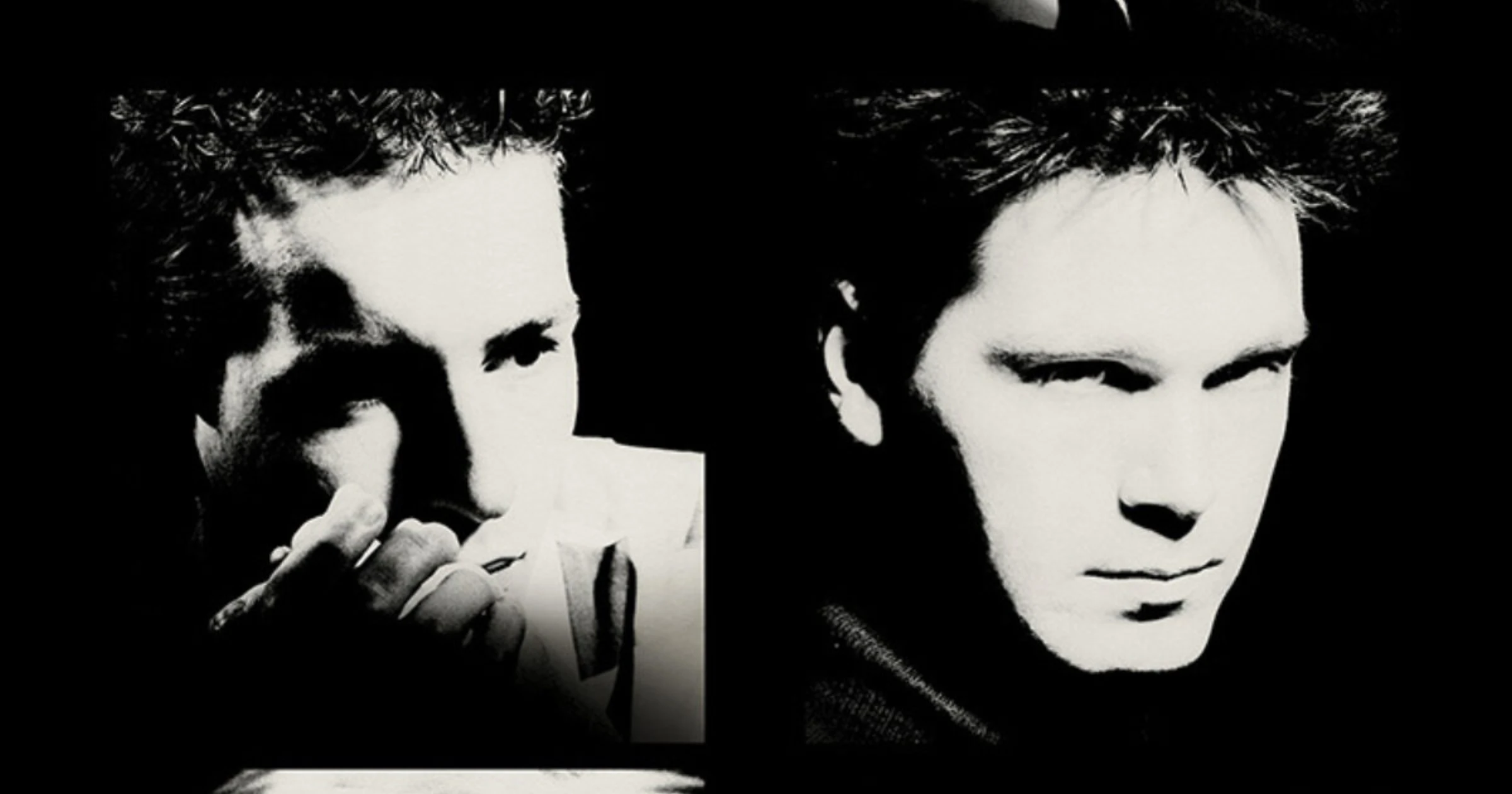
MoMu Marks 40 Years Since the Antwerp Six Redefined Fashion’s Center of Gravity
Antwerp’s fashion museum revisits the formative years of the Antwerp Six, framing their 1980s emergence as a structural shift in how independent fashion ecosystems are built.
Forty years after a cohort of young designers from Antwerp landed in London and forced the fashion world to pay attention, MoMu has built a focused exhibition that looks less like nostalgia and more like an institutional case study in cultural infrastructure. The show, The Antwerp Six, tracks the period from the late 1970s through the mid-1980s, when Marina Yee, Dries Van Noten, Ann Demeulemeester, Walter Van Beirendonck, Dirk Bikkembergs, and Dirk Van Saene moved from academy context to global circulation.
The historical claim matters. For decades, the dominant runway axis was read through Paris, Milan, London, and New York. Antwerp was perceived as peripheral, then suddenly unavoidable. The exhibition’s framing reinforces what insiders have known for years: the six did not establish a single school of form, but they did produce a shared signal that independent practice outside legacy capitals could set the agenda. In practical terms, that signal changed who got looked at, where buyers traveled, and how critics mapped influence.
At the center of this account is institutional continuity. The designers emerged from the Royal Academy of Fine Arts Antwerp, where pedagogy, peer exchange, and production discipline could coexist without immediate market pressure. MoMu director Kaat Debo’s recurring point, that the name Antwerp Six is both useful and misleading, is key to understanding why the story still resonates. They were linked by chronology, city, and friendship, not a unified silhouette. That distinction is not semantic, it is the mechanism that made the group durable in cultural memory.
For curators and collection committees, the exhibition is also a reminder that movements are often retroactive editorial constructions. Bikkembergs’ masculine codes, Demeulemeester’s dark romantic clarity, and Van Beirendonck’s theatrical experimentation do not collapse into a shared aesthetic grammar. Yet the market and media needed a readable category. The Antwerp Six became that category, then became a brand, then became a shorthand in museum education. MoMu’s project interrupts the shorthand and returns attention to process, overlap, and divergence.
The timing of the show sharpens its relevance. Fashion institutions are now under pressure to justify acquisitions, reinterpret archives, and speak to younger audiences trained to distrust heroic myths. By narrowing the exhibition to the designers’ early years, MoMu avoids the trap of celebratory career summation and instead foregrounds the production ecology around them: photographers, stylists, graphic designers, and local networks that made risky ideas legible. That curatorial choice brings the conversation close to current debates on how scenes become systems.
The tribute dimension, especially after Marina Yee’s death in 2025, gives the show emotional weight without drifting into sentimentality. What comes through is an argument about independence as a practice, not an attitude. The Antwerp Six were not simply anti-establishment. They built alternate routes to establishment recognition while maintaining distinct authorial voices. That is why the story remains active for younger designers navigating platform capitalism, wholesale contraction, and new forms of direct audience building.
MoMu’s framing also has implications beyond fashion. Contemporary art institutions now face similar questions: how to represent collaborative ecosystems when public narratives demand singular stars; how to preserve dissenting aesthetics once they enter canon; and how to interpret regional scenes without flattening them into export-friendly labels. In that sense, this anniversary exhibition reads as a broader institutional manual. It demonstrates that serious historical work can be compact, specific, and strategic, and that revisiting a famous origin story can still produce new critical leverage when the archive is edited with discipline.