The Antigone Wave in New York Signals a New Institutional Appetite for Classical Risk
A cluster of recent Antigone stagings in New York points to a broader shift in programming logic, with institutions using classical material to stage contemporary arguments about legitimacy, dissent, and public ethics.
New York’s current concentration of Antigone productions is not an accident of season planning. It reflects a deliberate institutional move, using canonical drama as a high-recognition framework for contested present-day themes. The familiar title lowers audience friction, while the content allows producers to stage arguments about authority, civil resistance, and moral obligation without the marketing burden of fully new IP.
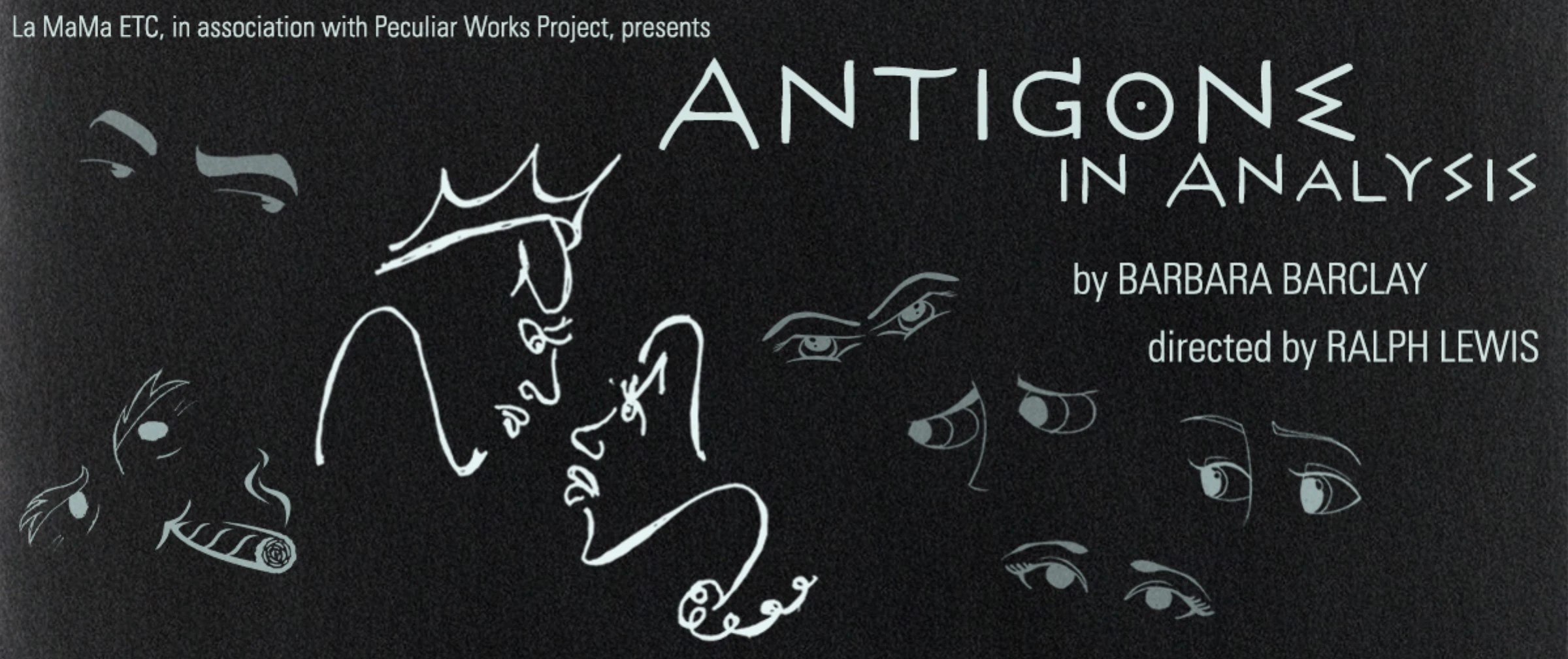
What looks like repertory comfort is actually risk management by other means. When an institution programs Sophocles through contemporary adaptation, it can claim both cultural continuity and topical urgency. Venues including La MaMa ETC, independent producers such as Peculiar Works Project, and larger nonprofits in the citywide ecosystem have all leaned into this model: use the classical scaffold, then compete on interpretation, casting logic, musical language, and political emphasis.
For curators and artistic directors, the key variable is not whether audiences know the story. It is whether each production can make legible why this conflict belongs to this year, in this city, with this institutional voice. The strongest recent stagings foreground the machinery of law and punishment rather than mythic abstraction. They place Antigone’s refusal inside administrative systems audiences recognize from everyday life, which gives the text new tensile strength without flattening it into slogan theater.
From a commissioning perspective, this trend also reveals pressure on development pipelines. New-play incubation remains expensive and slow, while donor expectations and attendance targets demand more predictable outcomes. Classical adaptation offers a middle path. It supports grant narratives around reinterpretation and access, keeps rehearsal economies manageable, and gives publicity teams an anchor that audiences immediately identify. In practical terms, it is one of the few formats that can satisfy artistic ambition and operational constraints at the same time.
The return to Antigone is less nostalgia than strategy, institutions are using a known text to test how far they can push present-tense political conflict on stage.
There are obvious risks. Repetition can become brand fatigue when institutions converge on the same title without sharply differentiated dramaturgy. It can also flatten ideological difference if every production defaults to generalized rebellion rhetoric. To avoid that, producers need specific framing choices, with clear arguments about what is being contested and by whom. Partnerships with research and educational bodies such as the Theatre Communications Group and archival resources through the New York Public Library for the Performing Arts can deepen context and keep the work from collapsing into aesthetic déjà vu.
The market implication is straightforward. If this programming cycle continues, funders and boards will increasingly evaluate adaptations not by literary prestige but by civic specificity and audience conversion metrics. Which production translated social argument into embodied theatrical form, and which production simply borrowed an ancient text for contemporary branding. That distinction will shape future commissioning leverage.
The broader lesson for the cultural sector is that classics are no longer safe by default. They are becoming contested infrastructure, used to negotiate political speech, institutional identity, and risk tolerance in public view. The Antigone wave in New York shows that theater organizations understand this. The next challenge is proving they can sustain the ambition once the novelty of concentration fades.