Museo Anahuacalli Receives 157,300-Object Donation From Diego Rivera’s Grandson
Juan Rafael Coronel Rivera is transferring 157,300 objects to Museo Anahuacalli, significantly expanding the institution and reviving Rivera’s long-term civic vision for the site.
Museo Anahuacalli in Mexico City is set to absorb one of the largest private-to-public transfers in recent Mexican cultural memory: 157,300 objects from the collection of Juan Rafael Coronel Rivera, grandson of Diego Rivera. The donation spans ceramics, textiles, wooden objects, photographs, prints, archives, and research materials, with staged transfers expected through the end of the year. It does not include paintings by Diego Rivera or Frida Kahlo, but it materially changes the scale and research capacity of the institution founded to house Rivera’s pre-Hispanic holdings.
The significance is institutional before it is symbolic. An acquisition of this size immediately changes what the museum can do across conservation, scholarship, and exhibition planning. It also introduces a major cataloging and storage challenge. Large donations generate headlines quickly, but their long-term value depends on inventory discipline, documentation quality, and how quickly material becomes accessible to researchers and the public. The museum’s leadership has framed the transfer as a structural expansion, not a trophy event, and has already indicated that new facilities are under discussion, with construction timelines tentatively tied to late 2026 or 2027.
The move also returns attention to the governance architecture Diego Rivera established in 1955 through an irrevocable trust managed by Banco de México. That trust links Museo Frida Kahlo and Museo Anahuacalli under a shared public-interest mandate. In practical terms, the new donation may force a refreshed conversation about how those linked institutions coordinate collections policy, conservation priorities, and public programming in the coming decade. For curators and funders, this is not only a content story, it is a governance story.
Coronel Rivera’s collection profile is notably broad. It combines historical material, family records connected to Rivera, and work tied to Coronel Rivera’s own career as a photographer, writer, and art historian. That breadth can be a strength if integrated well: it opens the possibility of exhibitions and research projects that move across pre-Hispanic material culture, modern Mexican art histories, and archival documentation of artistic networks. It can also create curatorial friction if the museum treats the donation as a single block rather than a set of differently legible sub-collections with distinct conservation needs.
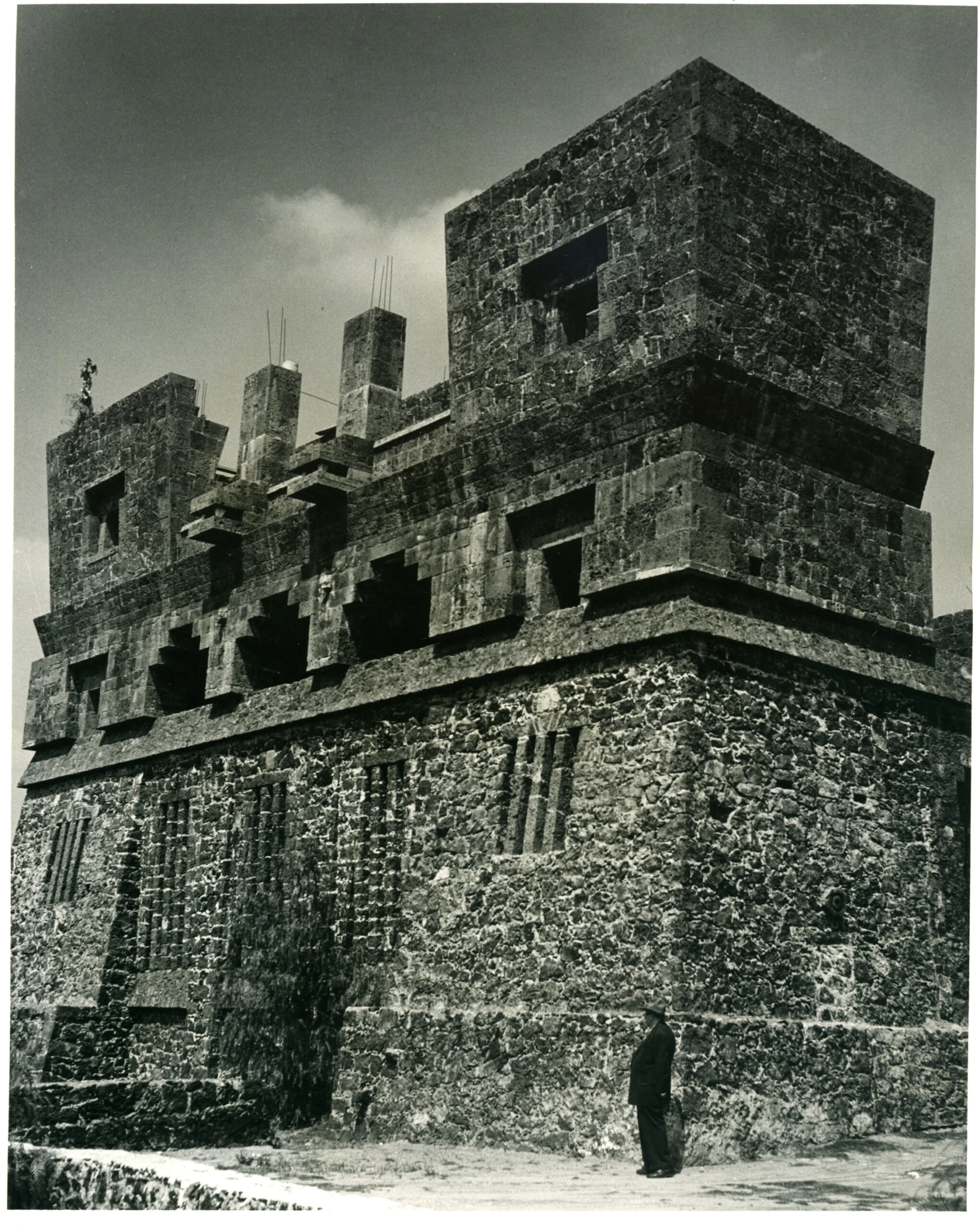
For Mexico City’s museum landscape, the transfer lands at a strategic moment. Several institutions tied to twentieth-century Mexican art are navigating expansion plans, leadership transitions, and contested public expectations around access. Within that environment, Anahuacalli’s ability to process and activate this donation could strengthen its position as a research-facing institution rather than a purely destination site. The museum already carries strong architectural identity through Rivera’s volcanic-stone complex. The next question is whether it can pair that architectural power with a new curatorial and archival depth that supports sustained scholarship.
Director Teresa Moya has framed the donation in language that aligns with Rivera’s original intent, collecting as a knowledge system rather than private accumulation. That framing matters, because the contemporary pressure on museums is to justify growth not by volume but by public use value. If the institution can digitize records, produce serious catalog work, and link new holdings to programming across schools, artists, and researchers, the transfer can reset the museum’s role in national art-historical infrastructure. If the material remains partially processed, the acquisition risks becoming a headline without durable institutional gain.
There is also a broader policy implication. High-volume transfers from private family collections into public trust structures remain rare at this scale. Successful execution here could offer a working model for other estates and collectors in Latin America considering how to transition holdings into public systems without fragmenting provenance. In that sense, Anahuacalli is now managing more than a major donation. It is managing a precedent, one that links legacy stewardship, public accountability, and the practical politics of museum growth in a period of tight resources and rising expectations.