Artist Ali Cherri Files Civil War-Crimes Complaint in France Over 2024 Beirut Strike
Franco-Lebanese artist Ali Cherri, backed by FIDH, has filed a civil complaint with France’s war-crimes unit over an Israeli strike in Beirut that killed his parents and five other civilians.
Franco-Lebanese artist and filmmaker Ali Cherri has filed a civil complaint before France’s war-crimes authorities over an Israeli airstrike in Beirut in November 2024 that killed his parents and five other civilians. The filing, submitted with support from the International Federation for Human Rights (FIDH), marks a rare case in which a practicing contemporary artist personally initiates this type of legal process in a European jurisdiction.
The complaint reframes a story that has circulated largely as diplomatic argument into one of legal procedure. Instead of relying on declarations by ministries, biennials, or advocacy groups, the filing asks prosecutors to assess facts under war-crimes standards, including proportionality, targeting, and civilian status. For the cultural field, that shift is significant: it moves discussion from symbolic solidarity into evidence-based accountability.
Public statements around the case indicate that the strike occurred shortly before a ceasefire was due to take effect. The timing raises questions that courts regularly confront in conflict litigation, whether military urgency was genuine, what intelligence supported targeting decisions, and whether commanders had less harmful alternatives available. These are not abstract policy questions. They are legal tests that determine whether an event is classified as lawful force or criminal conduct.
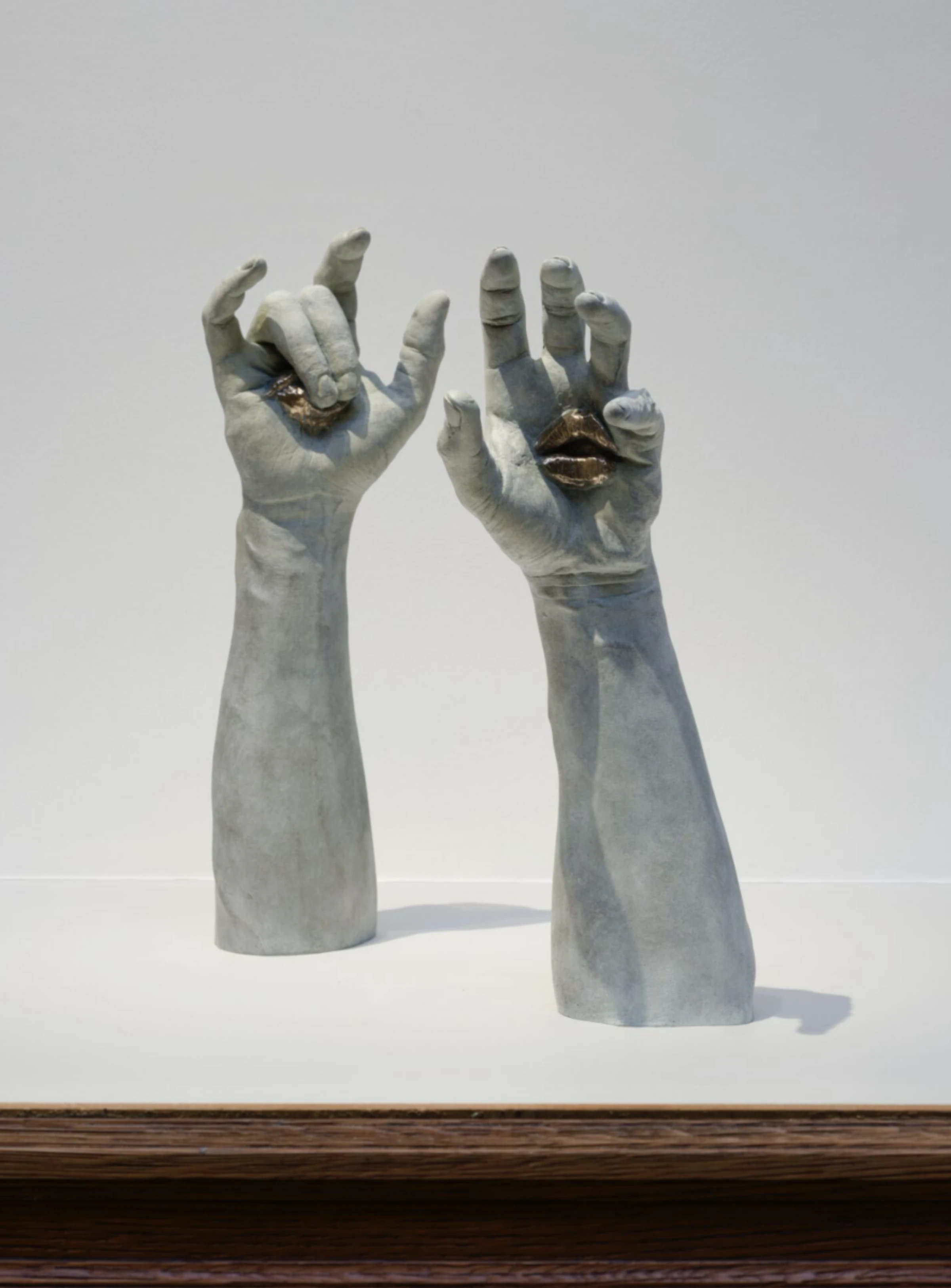
Cherri’s move is part of a broader pattern in which artists working across film, installation, and social research now operate simultaneously in legal, journalistic, and institutional publics. His practice has been presented at major venues including Jeu de Paume, the CAPC Musée d’art contemporain de Bordeaux, and MoMA’s New Directors/New Films. That visibility means the legal case will be read not just in courtrooms but across museum boards, curatorial departments, and funding networks.
An additional pressure point is the role of external documentation. Human-rights investigations released this year have argued that the strike presents credible grounds for legal review. In practical terms, third-party dossiers can influence whether prosecutors open deeper inquiries, especially in transnational cases where direct state cooperation is uncertain. Cultural institutions monitoring this file should pay attention to where evidentiary records are published and who can verify chain of custody.
For collectors and patrons, the case is a reminder that geopolitical risk now extends into artist career trajectories and institutional programming calendars. Exhibitions, acquisitions, and loans involving politically visible artists can become entangled in active legal events with reputational consequences for host institutions. Governance teams that still treat legal conflict as external to programming are behind current conditions.
The filing does not predetermine an outcome, and French proceedings of this kind are often long. But the strategic choice is already clear. Cherri has elected to seek adjudication inside a judicial framework rather than limit the issue to statements in the art press. Whatever the legal conclusion, that decision will influence how future artists and estates approach accountability when personal loss and state violence converge.
Institutions presenting Cherri’s work should therefore plan for documentation requests, legal sensitivity reviews, and staff briefings that distinguish verified facts from advocacy claims. That preparation can draw on publicly available rights documentation from organizations such as Amnesty International and procedural materials from French legal institutions, while keeping exhibition interpretation anchored in the artist’s practice rather than reducing the work to a courtroom headline. In practical curatorial terms, the strongest approach is to maintain interpretive rigor and legal clarity at the same time.
Institutions presenting Cherri’s work should therefore plan for documentation requests, legal sensitivity reviews, and staff briefings that distinguish verified facts from advocacy claims. That preparation can draw on publicly available rights documentation from organizations such as Amnesty International and procedural materials from French legal institutions, while keeping exhibition interpretation anchored in the artist’s practice rather than reducing the work to a courtroom headline. In practical curatorial terms, the strongest approach is to maintain interpretive rigor and legal clarity at the same time.