Agosto Machado, Downtown Artist and Activist in the 2026 Whitney Biennial, Dies
Agosto Machado, whose altar-based installations preserve queer performance memory through assemblage and ephemera, has died while his work remains on view in the Whitney Biennial.
Artist and activist Agosto Machado has died, according to reporting first published by ARTnews and confirmation from New York gallery Gordon Robichaux. His death arrives while his work is visible to wide audiences through the 2026 Whitney Biennial and related institutional presentations, giving the news immediate weight for curators, registrars, and collectors tracking how downtown performance lineages are entering long-horizon museum records.
Machado’s practice has long sat at the intersection of object-making, social ritual, and queer community memory. Rather than produce neutral display units, he built shrine-like structures dense with photographs, textiles, jewelry, printed matter, and found objects, often interwoven with references to collaborators, friends, and cultural spaces that mainstream institutions historically overlooked. These works operate as both artwork and counter-archive, preserving relation as material form.
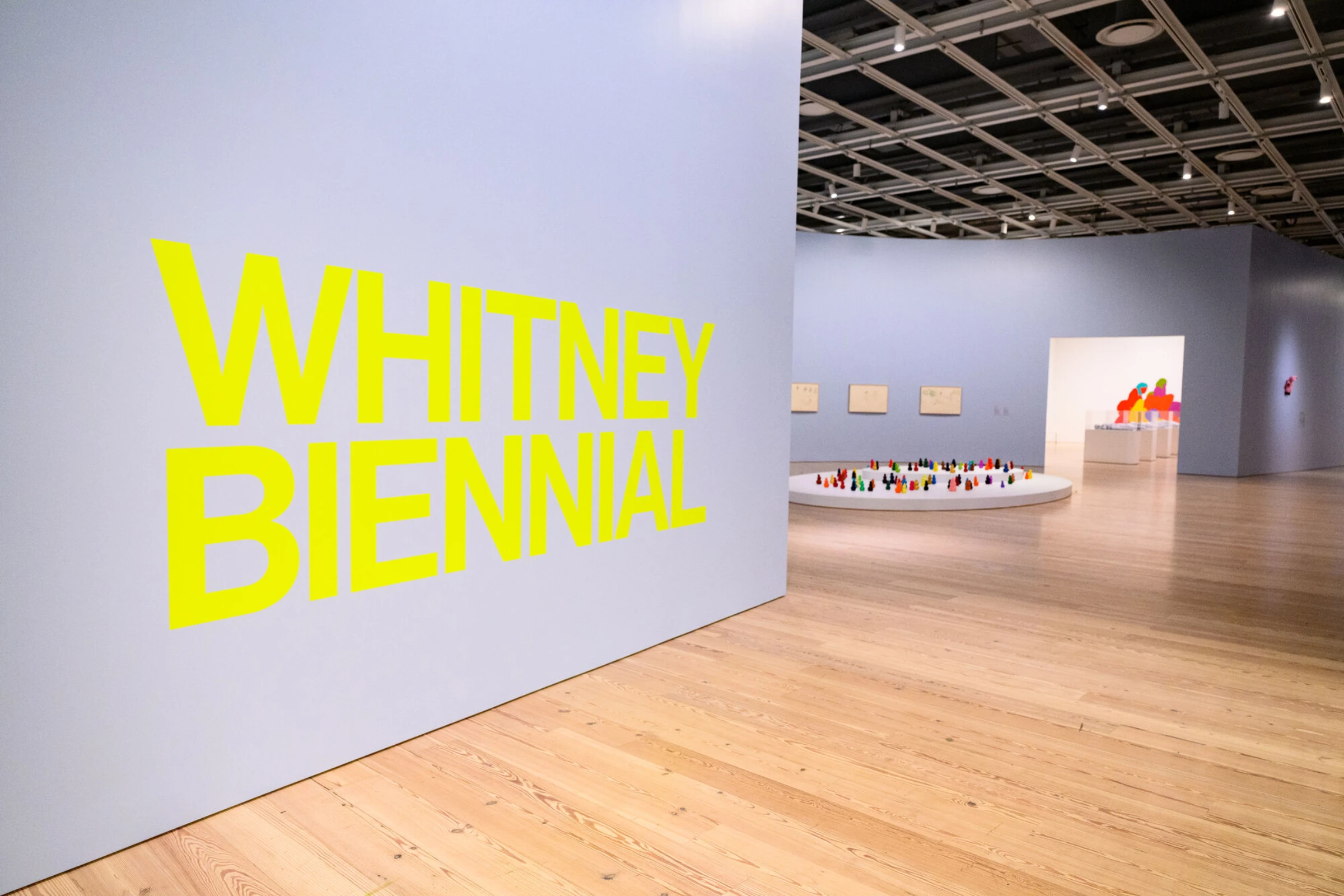
At the Whitney Biennial, Machado’s presence has helped anchor a wider conversation about intergenerational transmission. His altars do not separate aesthetic decisions from lived networks. They insist that value is carried by provenance of association as much as by object rarity, a proposition that resonates with current institutional debates on collection policy, catalog language, and crediting standards for collaborative or scene-based practices.
One of the most useful entry points for understanding that proposition is Ethyl (Altar), now in the Whitney collection. The work gathers heterogeneous materials into a compact but layered architecture where personal and collective history are inseparable. Seen in person, the logic is not illustrative. It is relational and performative, asking viewers to read sequencing, adjacency, and fragmentary evidence with the attentiveness usually reserved for documentary archives.
For institutions, Machado’s death raises immediate stewardship questions. Assemblage works composed of mixed media and ephemera are conservation-intensive, and they often rely on contextual information that can be lost if oral histories, installation notes, and contributor identifications are not captured quickly. Museums that hold or borrow this material should now prioritize documentation updates, rights reviews, and installation protocols while firsthand knowledge from close collaborators remains accessible.
For collectors and advisors, the lesson is similar: treat Machado’s works as culturally specific archive systems, not decorative hybrids. Acquisition and lending files should include contributor histories, object-level mapping, and clear instructions on restaging boundaries. Without that rigor, institutional display can flatten social complexity and unintentionally sever the very lineages the work was built to protect.
The market implications are likely to be measured rather than speculative. Machado’s significance has never depended on scarcity theater. It rests on how convincingly the work binds aesthetics, testimony, and community continuity. That profile tends to reward patient stewardship, strong curatorial framing, and museum partnerships over short-term price velocity. In practical terms, expect deeper scholarly and institutional demand rather than noisy flipping behavior.
At publication time, no broader estate roadmap has been publicly detailed. What is already clear is that Machado leaves a body of work that forces institutions to confront how queer cultural memory enters official archives. His altars do not ask for symbolic inclusion. They require procedural seriousness, from catalog metadata to display ethics. That requirement is part of their force, and now part of his legacy.