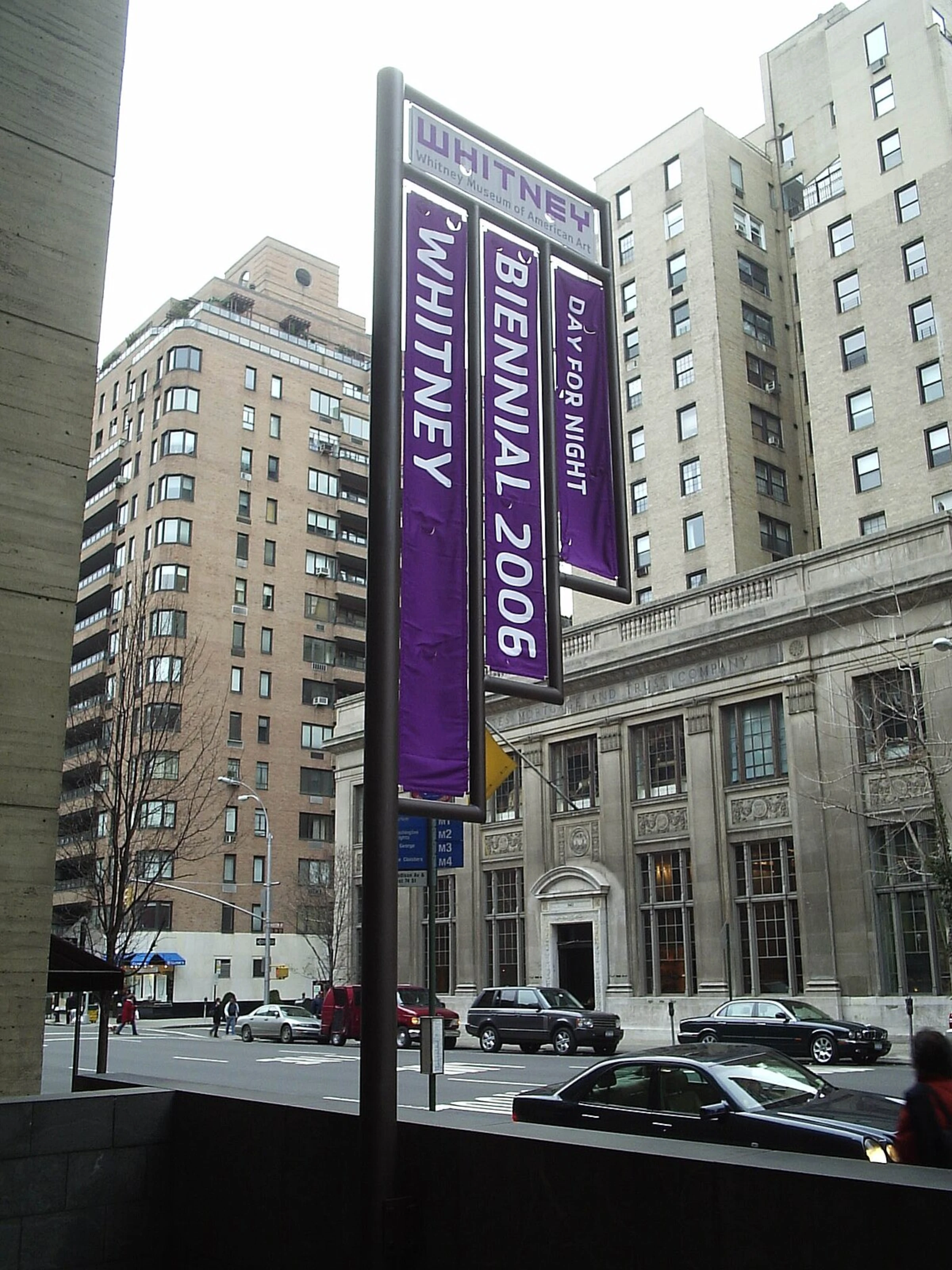
Agosto Machado Dies as His Shrine Practice Enters a Wider Institutional Frame
Artist and activist Agosto Machado has died while work associated with his shrine-based practice remains visible in the Whitney Biennial context, sharpening attention on preservation and queer historical memory.
Agosto Machado, the artist and activist associated with Downtown New York queer cultural history, has died after a brief illness. The immediate reporting is concise, but the institutional implications are substantial because his work is currently visible within Whitney Biennial context. Machado's shrine-centered practice has long operated as an active memory structure, not simply a static object format, and that creates specific responsibilities for curators, registrars, and writers.
Machado's work sits at the intersection of devotion, improvisation, and community record keeping. Shrines in this lineage often carry social references that can be lost when works are displayed without interpretive depth. Museums can preserve materials while still flattening meaning if they strip away community links, activist context, or the temporal layers that made the work necessary in the first place. His death puts that risk in sharper focus.
Readers following institutional framing should compare <a href="https://whitney.org/exhibitions">Whitney exhibitions, gallery records at <a href="https://www.gordonrobichaux.com/exhibitions">Gordon Robichaux exhibitions, and wider research frameworks at <a href="https://www.moma.org/research-and-learning">MoMA research and learning. For broader downtown history context, also review <a href="https://www.newmuseum.org/exhibitions">New Museum exhibition programs. Together these sources show how artist-led memory practices move between intimate scenes and major institutions.
Reporting also notes Machado's refusal to make his birth year a public identifier. That gesture can be read as humor, privacy, and refusal of reductive metadata at once. In an era of platform logic where identity is often over-indexed as searchable data, that position matters. It reminds institutions that biography should support understanding, not erase complexity through administrative neatness.
The meaningful response now is operational. Institutions and editors should commission careful scholarship, publish installation records with proper context, and invest in oral histories before social memory fragments. They should ensure captions, labels, and catalogs identify lineages rather than isolate works as aesthetic curiosities. This is especially critical for practices that emerged from communities historically under-documented by mainstream institutions.
Machado's legacy will be strongest where stewardship is specific and long-term. Useful follow-up links include <a href="https://whitney.org/calendar">Whitney calendar, <a href="https://www.gordonrobichaux.com/artists">Gordon Robichaux artists, and <a href="https://www.moma.org/collection">MoMA collection resources. The question is not whether institutions will praise his work. The question is whether they will preserve the social intelligence that made it necessary.
There is also a programming lesson here for biennials and museums. When institutions include artists whose practices emerged from community survival contexts, they should budget for mediation and memory work at the same level they budget for installation. That means field-specific wall texts, guided conversations with informed participants, and publication strategies that document process as well as objects. Without those layers, institutions can unintentionally aestheticize histories that were never meant to be detached from lived conditions.
For the market, Machado's death may bring increased demand and secondary attention, but valuation language should not become the leading frame. The stronger institutional frame is stewardship and interpretation. Works tied to queer shrine traditions require careful handling of provenance, display context, and archival annotation. Serious collectors and institutions should align acquisition with research commitments so the works remain legible to future audiences instead of being reduced to decorative fragments of a larger history.