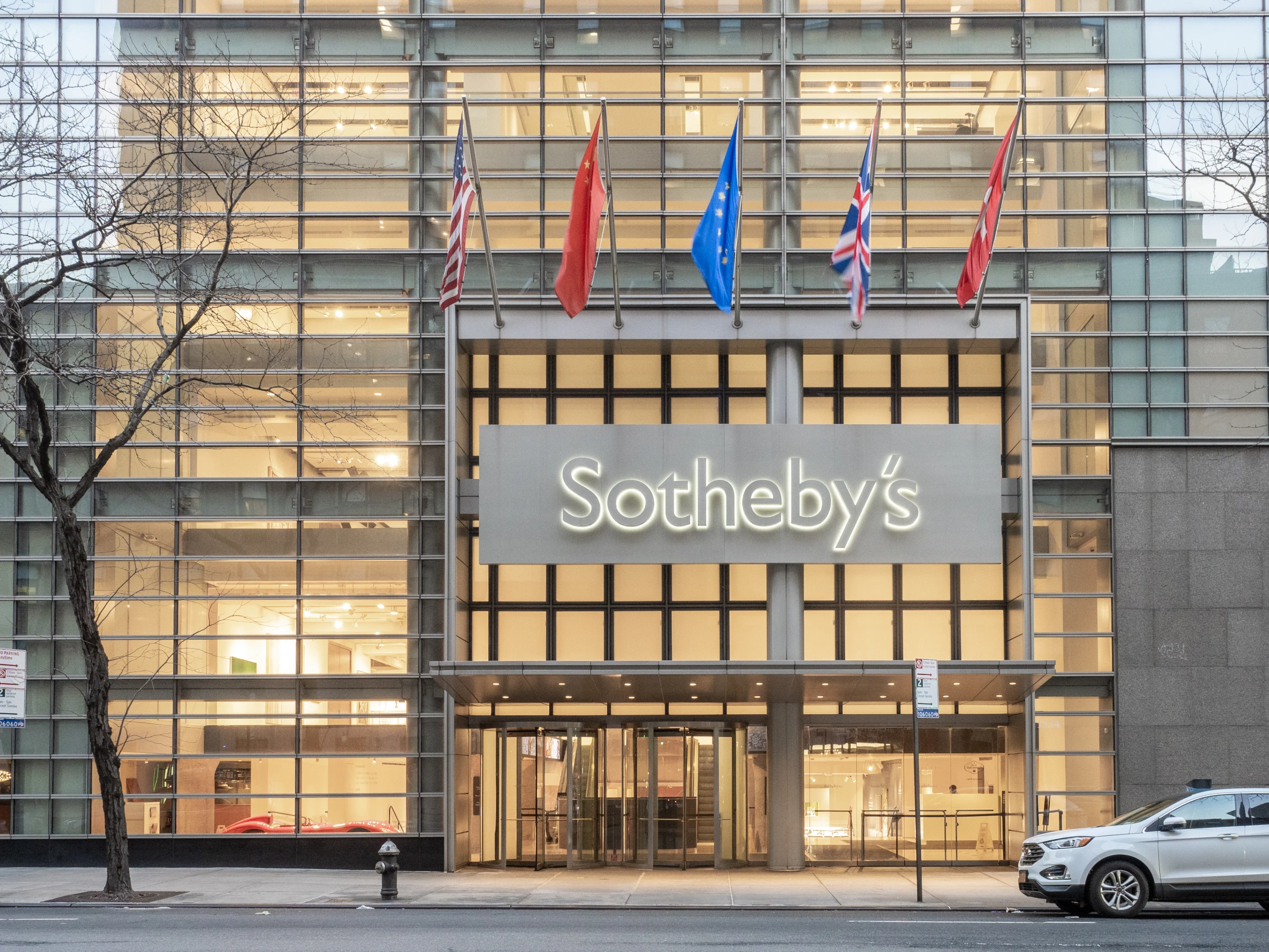
Secondary Market Liquidity Playbook for Collectors in 2026
Liquidity in art is less about speed and more about preparation. This guide maps how collectors can build optionality across auction, private sale, guarantees, and portfolio timing without sacrificing pricing power.
Liquidity is the quiet engine of serious collecting. Most people talk about taste, discovery, and conviction, but portfolio resilience is decided later, when you need to move a work and cannot afford to look rushed. In 2026, that pressure is sharper because supply is high in several categories, selective demand is concentrated in proven artists, and transaction costs remain real. A collector with no liquidity plan is not simply unprepared. They are exposed.
The first principle is to separate valuation from executable price. Insurance values, recent gallery list prices, and headline auction results can all be directionally useful, but they are not exit prices. Real liquidity depends on depth of bidder interest at a specific moment, condition confidence, paperwork quality, and whether your work is one of many similar examples currently circulating. Start by creating a quarterly liquidity sheet for your holdings with three levels: best case sale range, expected range, and urgent exit range.
Collectors who wait to think about liquidity until they need cash usually sell at a discount, while collectors who plan exits early sell on their own terms.
Second, map channel fit before you need a sale. Auction works best when there is clear competitive demand, strong comparables, and a story that can be marketed inside a fixed calendar. Private sale works better when discretion matters, when the work needs contextual placement, or when you want to avoid public pass risk. Dealer-to-dealer wholesale can provide speed, but usually at the steepest discount. Your leverage rises when you can choose among channels instead of defaulting to one.
Third, treat documentation as a liquidity multiplier. Provenance records, invoices, condition reports, exhibition history, publication references, and high quality imaging reduce friction. Missing paperwork does not always kill a sale, but it narrows buyer confidence and weakens your negotiating stance. Build a clean dossier for every significant work now, not during a sale process. If a registrar has to reconstruct basic information under deadline, your timing and pricing options shrink immediately.
Fourth, understand guarantee mechanics. In the current market, third party guarantees and irrevocable bids can stabilize outcomes for high value consignments, but the terms matter. A guarantee may protect downside while capping upside participation, depending on structure and fee splits. Ask for transparent breakpoints and model multiple outcomes with your advisor before signing. Guarantees are not inherently good or bad. They are financial instruments, and they should be evaluated as such.
Fifth, sequence your exits. Collectors often underperform by selling several correlated works at once, especially in crowded categories like postwar abstraction or ultra-contemporary figurative painting. Staggering sales across seasons can preserve price integrity, maintain buyer appetite, and allow each lot to breathe. If you are de-risking, prioritize works with weaker comparative strength first, then hold category leaders for stronger windows.
Sixth, budget the true cost of transacting. Seller commission, insurance, shipping, conservation touch-ups, framing, photography, legal review, and currency effects can move your net materially. A sale that looks attractive on headline hammer may disappoint after full cost accounting. Run net proceeds scenarios before consignment. The right question is not What can this work make, but What will this work return after all frictions.
Seventh, build optional liquidity outside sale events. Structured lending against top-tier works can be useful for short duration cash needs when you want to avoid a forced sale. Family offices and advisors increasingly pair selective borrowing with planned disposals to smooth timing risk. This is not a universal strategy and should be used conservatively, but for some collectors it preserves long term upside while solving near term obligations.
Finally, establish governance around disposition decisions. Define who approves sales, what return hurdles apply, what concentration limits trigger trimming, and what reputational constraints matter for artist relationships. Liquidity planning is strongest when it is procedural, not emotional. The market rewards disciplined sellers who present clarity, confidence, and clean assets. In 2026, optionality is not a luxury feature of collecting. It is core risk management.
A final practical tool is a pre-sale decision memo for each major work. Keep it to one page: thesis for holding, thesis for selling, preferred channel, minimum acceptable net, and timing constraints. Review the memo with your advisor twice a year. This keeps disposition decisions aligned with your broader strategy instead of reacting to market chatter.
Collectors who execute well in secondary markets are rarely the loudest participants. They are the most prepared. They know their assets, they know their channels, and they know their walk-away points. When liquidity planning is embedded in collection management, sales become strategic acts rather than emergency responses.
There is also a behavioral advantage to planning liquidity in calm periods. When markets soften, collectors with written playbooks can act decisively while others hesitate between conflicting advice. That speed does not mean panic selling. It means you can move early when pricing is still orderly, buyers are still responsive, and logistical channels are not congested.
If you manage a collection with philanthropic ambitions, integrate deaccession planning with giving strategy. A thoughtful sale can fund promised donations, conservation commitments, or research grants without destabilizing the core collection. Linking liquidity to mission creates a stronger narrative for stakeholders and keeps financial decisions aligned with cultural goals.