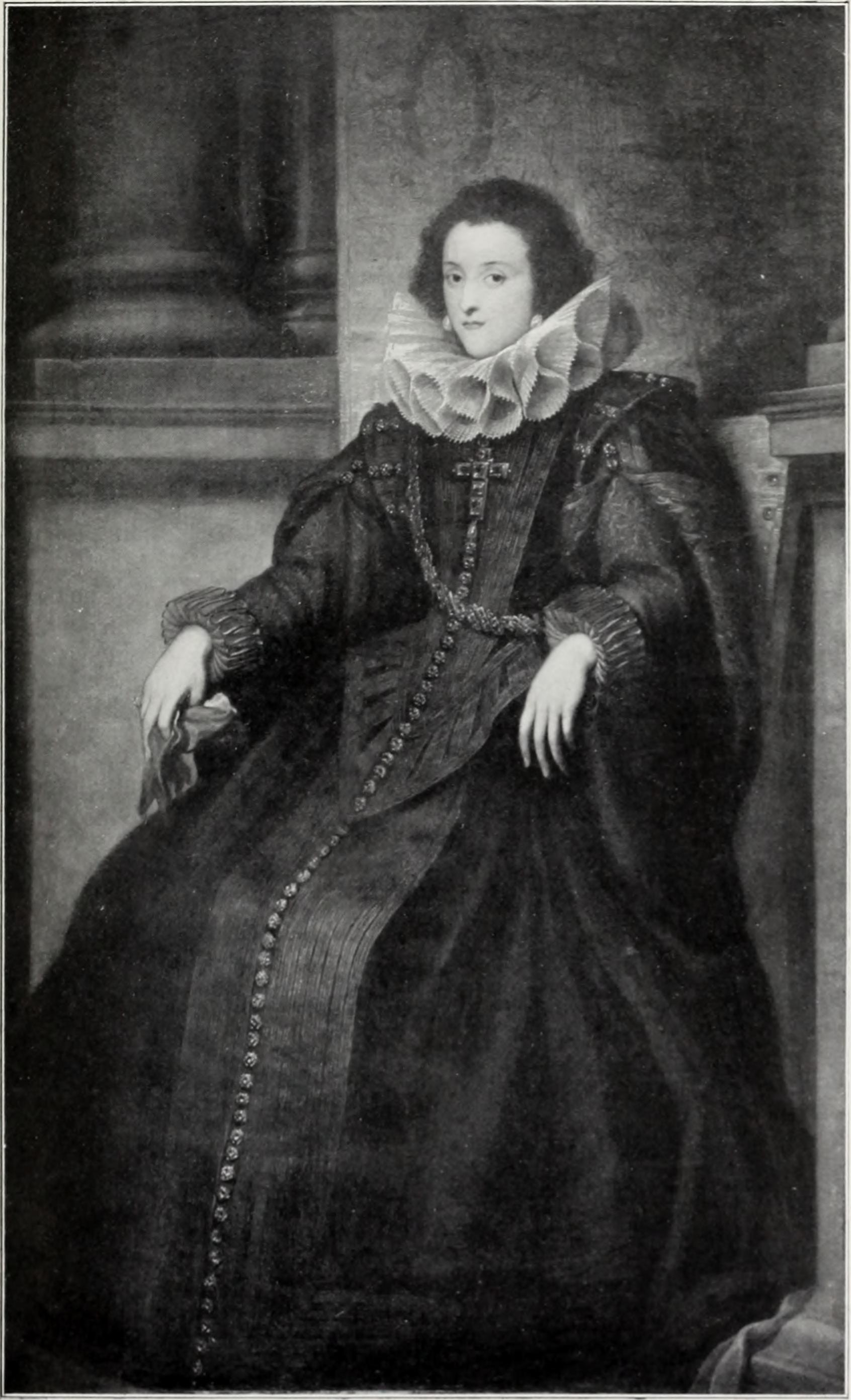
Old Masters in a Contemporary Market: What New Buyers Keep Missing
As contemporary collecting dominates attention cycles, many new buyers are overlooking how Old Master works can sharpen connoisseurship, stabilize risk, and improve long-term collection quality when approached with discipline.
The contemporary market has trained a generation of buyers to think in acceleration cycles: preview lists, instant scarcity signals, social proof, and rapid resale narratives. In that environment, Old Masters can look either intimidating or irrelevant, a specialist corner for historians, museums, and legacy wealth. That view is wrong. Old Master collecting is not a nostalgic alternative to contemporary buying. It is one of the strongest ways to develop visual judgment, collection resilience, and long-term market discipline.
What many new buyers miss first is that Old Masters are not simply about age. They are about evidence. Attribution, condition, provenance, conservation history, and comparative quality matter in ways that can feel unfamiliar to collectors entering through contemporary primary-market pathways. In contemporary sectors, relational access and program confidence often drive early decisions. In Old Masters, the object dossier is part of the object itself. You are buying both painting and proof structure.
That shift in method is exactly why the category is valuable for serious collectors. It forces a higher standard of looking. Surface, pentimenti, panel warp, varnish layers, overpaint, craquelure behavior, workshop participation, all become active parts of evaluation. Even if your core focus remains contemporary art, training your eye through Old Master material can make you better at assessing quality, restoration, and historical ambition in any period.
The core mistake is not taste, it is timeline, many new buyers are applying contemporary speed logic to a category that rewards slow judgment and evidence discipline.
A second missed point is price architecture. New buyers often assume Old Masters are either impossibly expensive trophy assets or low-liquidity leftovers. In reality, the market is stratified. Museum-grade works by blue-chip names are fiercely competitive, yes, but strong works by important circles, workshops, and under-recognized hands can be acquired at levels that compare favorably with speculative contemporary prices. The difference is that Old Master value is usually slower to reprice and more dependent on scholarship than hype velocity.
This does not mean Old Masters are safer by default. It means risk is distributed differently. In contemporary segments, risk often sits in trajectory uncertainty and market mood. In Old Masters, risk concentrates in attribution confidence, condition complexity, and documentation gaps. A buyer who confuses those risk types can make expensive mistakes. A buyer who learns them can construct positions with far greater informational depth than most contemporary-only portfolios.
Provenance is where many first-time buyers remain underprepared. A pleasant chain of ownership notes is not enough. You need wartime context when relevant, export history, collection transitions, and clarity on any legal or ethical friction points. Restitution-era due diligence has permanently changed standards. Works with unresolved provenance problems may still circulate, but they carry legal, ethical, and reputational exposure that can surface years after purchase.
Condition literacy is equally non-negotiable. Many buyers glance at a condition report and stop at headline terms. That is insufficient. You need independent eyes, not only seller-side framing, and you need to understand how restoration choices affect both visual integrity and market confidence. A technically stable painting with well-documented conservation can be a stronger acquisition than a superficially cleaner work with opaque intervention history.
Attribution strategy deserves similar rigor. New buyers are often seduced by label hierarchy and avoid anything not fully autograph by a canonical name. That is too blunt. Some studio, workshop, and circle attributions offer extraordinary aesthetic and historical value, especially when scholarly momentum is building. The right question is not only "is it by X" but "what is the quality of this object, what is the depth of scholarship around it, and how durable is this attribution consensus likely to be?"
Another common blind spot is portfolio design. Old Masters work best when integrated as conviction holdings, not decorative side bets. A coherent strategy could combine one anchor work with several research-driven acquisitions tied to a school, region, or thematic line, devotional panel painting, portrait typologies, seventeenth-century landscape ecology, cross-Mediterranean exchange, depending on your long-term focus. Coherence compounds value, intellectually and financially.
For buyers operating across categories, Old Masters can also function as volatility ballast. Contemporary segments can move fast in both directions; institutional taste, curatorially driven rediscovery, and auction sentiment can reprice artists quickly. Old Master markets tend to absorb information more gradually, with shifts often linked to catalogue raisonnés, exhibitions, and sustained scholarship rather than short-cycle enthusiasm. That different tempo can improve overall collection stability.
Working with specialists is essential, but delegation is not strategy. Advisors, dealers, and auction specialists are critical partners, yet collectors need their own decision framework. Ask direct questions: what is the strongest and weakest attribution argument, what conservation choices are irreversible, where does this work sit in comparative quality against known benchmarks, what publication and exhibition history supports the price, and what are the plausible downside scenarios if consensus shifts.
Institutional context is another edge many buyers ignore. Watch what museums are researching, exhibiting, borrowing, and re-hanging. Curatorial attention can reframe markets long before headline prices catch up. A loan to a serious museum show, or inclusion in a re-evaluative historical project, can matter more over a decade than a short-term auction spike. If you collect for depth, museum discourse is not background noise, it is forward signal.
New buyers also underestimate the narrative power Old Masters can bring to contemporary-focused collections. When placed intelligently, historical works can sharpen thematic arguments around labor, empire, theology, portraiture, race, materiality, and image politics. This is not about decorating a contemporary collection with an "old" object for contrast. It is about building transhistorical dialogue where works from different centuries challenge and clarify each other.
The practical entry strategy is straightforward. Start with focused study, museum visits, specialist fairs, catalogues, conservation conversations, and then buy one work where documentation, condition, and visual conviction align. Do not chase names for social validation. Build a habit of evidence-based decisions. In this category, patience is not passive. It is active method.
Old Masters in 2026 are not a retreat from the present. They are a test of whether a collector can move from momentum buying to judgment buying. The opportunity is real, but only for buyers willing to slow down, look harder, and treat expertise as part of acquisition itself. Those who do will not only buy better historical works. They will become better collectors across the board.