How to Visit Major Museums During High-Demand Periods Without Wasting the Day
A practical strategy for planning museum visits during peak weeks: ticket timing, route design, queue risk, and contingency planning that protects viewing time.
When major museums enter high-demand periods, most visitors lose time before they ever see art. The problem is rarely interest; it is logistics. Ticket windows, entry queues, and crowd flow can consume half the day if you arrive without a plan.
The first rule is to treat the visit like a timed operation. If advance reservations are offered, book the earliest workable slot and assume later slots carry compounding delay risk. In peak periods, one bottleneck at security or admissions can cascade through the entire route.
Second, pre-commit to a short list of priorities. Do not design a maximal itinerary. Design a resilient one. Choose three must-see anchors and two optional additions. If the building is crowded, you still leave with a complete visit rather than a rushed failure.
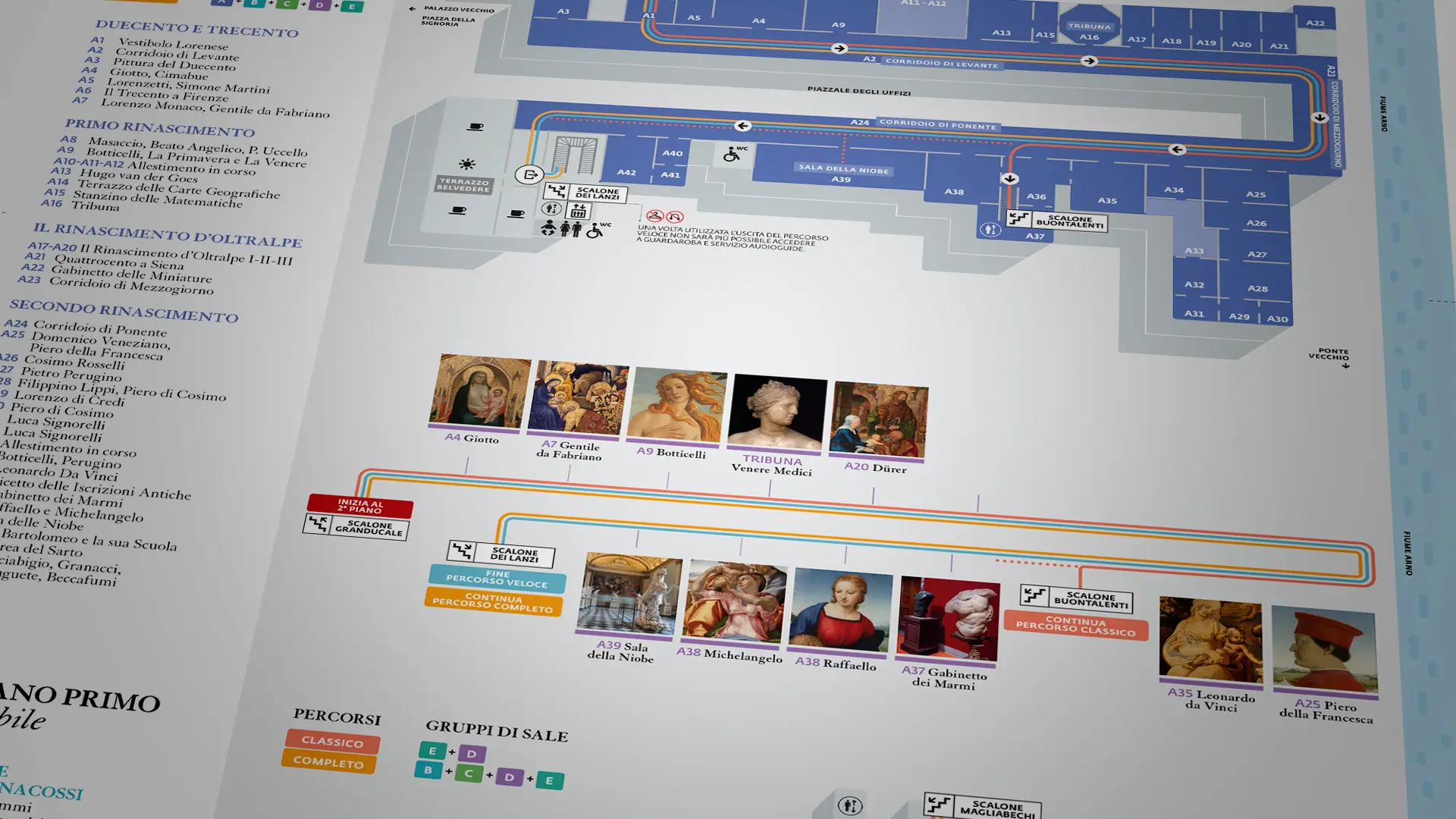
Third, build the route around spatial reality, not guidebook fantasy. Many museums are labyrinthine and crowd density is uneven by wing and hour. Study maps before arrival and sequence rooms to avoid repeated backtracking through choke points.
Fourth, decide in advance where you will absorb delay. Entrances, cloakrooms, and cafés are predictable friction zones. If you treat each as optional decision time on-site, you lose momentum. Make those calls before you arrive.
A useful benchmark: if you cannot secure your preferred ticket time, shift the museum day rather than forcing it. In high season, a bad slot can cut viewing quality by more than half. Better to preserve one strong visit than to complete a weak one for schedule optics.
Families and group travelers need an additional layer: role assignment. One person handles tickets, one tracks route timing, one manages rest breaks. Distributed responsibility reduces decision fatigue and prevents avoidable delays at each transition.
For frequent visitors, the smartest tactic is split visits. Two shorter sessions on different days almost always outperform one long over-packed session in peak conditions. Attention quality drops faster than most people notice.
During the visit itself, use a 45–15 rhythm: 45 minutes focused looking, 15 minutes reset. This preserves concentration and keeps pace stable. Museum fatigue is a real cognitive limit, not a personal weakness.
If your targets include iconic rooms, go there either immediately on entry or in the final hour. Midday is typically the worst window for density. Designing around that one pattern can materially improve the experience.
You should also set an explicit stop condition. For example: once the three anchors are complete and one optional room is seen, the visit is a success. Without a stop condition, most visitors drift into diminishing returns and leave exhausted rather than enriched.
Before travel, verify visitor rules directly on institutional pages such as the Louvre visitor rules and the Met visitor guidelines. Rule changes around bags, photography, and entry lanes can alter your route design more than people expect.
For planning tools and live updates, check official resources such as the Louvre visitor page, the Met visit portal, and visitor guidance from the Uffizi Galleries.
The bottom line: in high-demand periods, success is not total coverage. Success is protected attention. If you can secure your entry window, control your route, and finish before fatigue dominates, you will have seen more - and remembered more - than visitors who tried to do everything.
Another practical tactic is to define decision triggers before the day begins. For example, if entry delay exceeds 35 minutes, drop one secondary target. If two priority rooms are unexpectedly closed, immediately switch to a pre-selected backup route. These triggers prevent panic replanning in crowded corridors.
Visitors should also plan for orientation failure. Phone batteries die, signal drops, and indoor navigation apps can lag in dense buildings. Carrying a screenshot of the museum map and one printed ticket reference can save thirty minutes of avoidable friction.
If your group includes children or older visitors, compress transition distance rather than maximizing artwork count. A tighter route with stronger pacing almost always produces better retention and less fatigue than a wide route built around checklists.
For researchers and collectors, peak-hour visits are often poor moments for close formal analysis. Use peak sessions for spatial orientation, and return in lower-density windows for detailed looking. Separating reconnaissance from analysis leads to better notes and less cognitive overload.
Finally, end with documentation. Spend ten minutes after exit writing what was actually seen, what was skipped, and which rooms merit a return. This simple debrief turns one crowded visit into a repeatable method and improves every future museum day.
One final operational habit is to track exit strategy. In peak periods, departures can be congested near major exits, gift shops, and transport nodes. Choosing a secondary exit path can save another fifteen to twenty minutes, especially if you need to reach timed reservations elsewhere in the city.
Think of museum planning as attention economics. You have finite energy, finite time, and finite tolerance for queues. Every tactical choice should protect direct encounter time with the work itself. That framing keeps planning decisions honest and prevents over-ambitious itineraries that collapse under pressure.