How to Read Public Art Memorial Commissions in 2026
When a memorial commission promises healing, the real questions are who gets to speak, how participation works and what memory the institution can live with
The first question is whether the commission wants a monument or a social process
Public memorial commissions nearly always arrive wrapped in the language of healing. A community has suffered a loss, an institution wants to respond and artists are asked to translate grief into form. That description sounds straightforward, but it usually hides the real fight. Is the commissioning body trying to produce a finished object that stabilises feeling, or is it prepared to support a longer social process in which memory stays active, contested and incomplete? The distinction matters because most bad memorials fail at the level of ambition. They promise collective repair and then deliver a static object with nowhere for actual collective life to go.
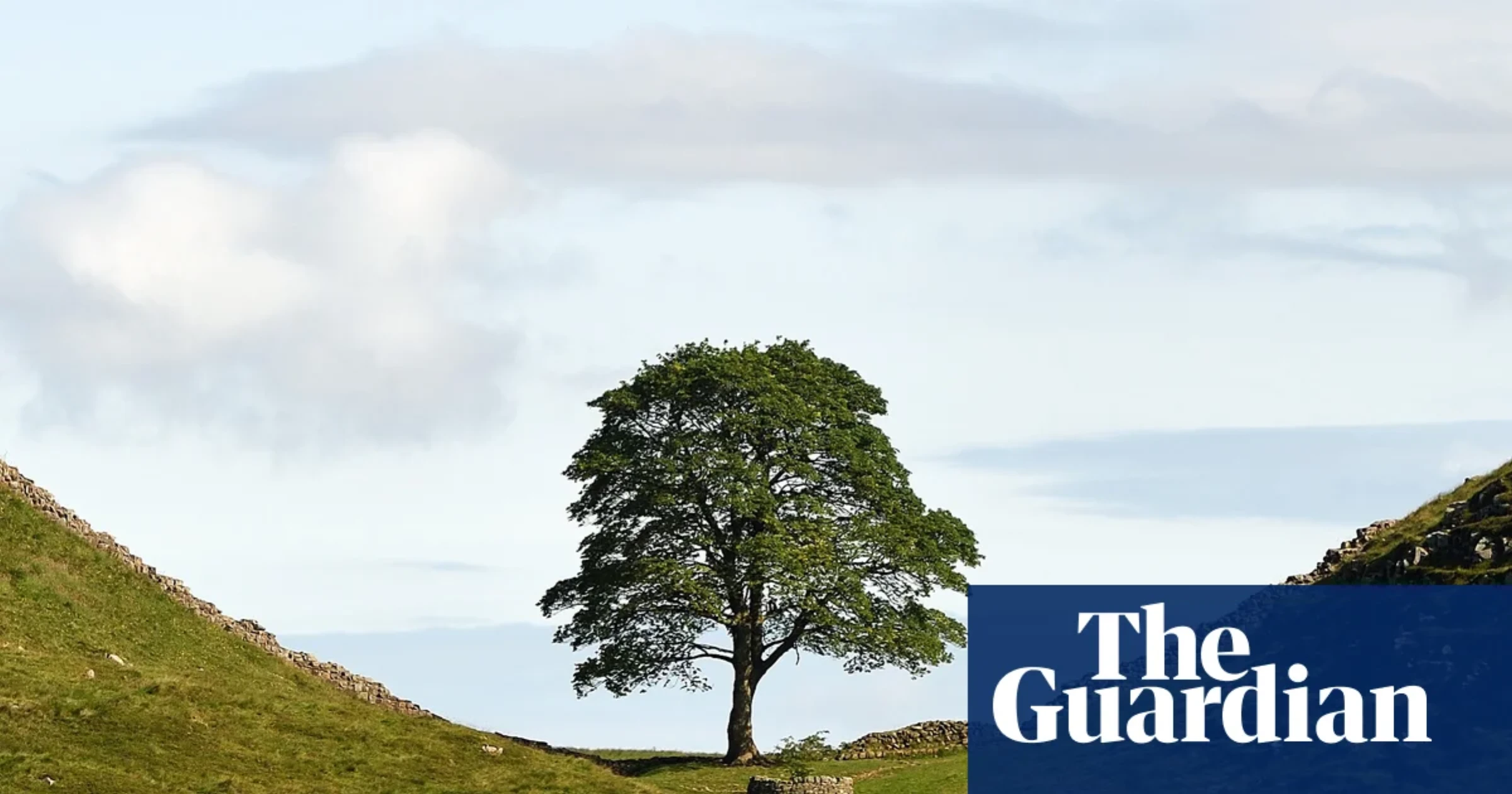
The newly selected Sycamore Gap project makes this distinction unusually visible. Helix Arts and George King Architects won a National Trust-backed vote with The People's Tree, a proposal that turns preserved wood from the illegally felled landmark into a participatory memorial system rather than a single statue. The plan includes recordings from communities, sound work derived from tree rings, co-created artworks, exhibitions, workshops and a sculpture-time capsule near the original site. That breadth is not decorative. It tells you the commission understands that the thing being memorialised is larger than the trunk that was cut down.
When you read a commission like this, start by asking what form of public it imagines. A monument-centered commission imagines viewers. A process-centered one imagines participants, stewards, dissenters and people whose relationship to the event may be emotional rather than art historical. The strongest recent public-art projects know that memorialisation cannot be reduced to a reveal moment. It has to create a durable structure for listening, argument and return.
Look closely at who controls the memory infrastructure
Memorial commissions are never just about aesthetics. They are infrastructure for memory. Someone decides where testimony is stored, which voices are amplified, what counts as participation and how long the institution is willing to carry the work after media attention fades. In the Sycamore Gap proposal, one of the smartest details is the commitment to a sound archive made from public recordings and seed-pod containers produced from preserved wood. That is more interesting than a symbolic tribute because it treats memory as something gathered, maintained and replayed rather than merely represented.
But that immediately raises harder questions. Who curates those recordings? Who decides what enters the archive and what is excluded? If the project travels into exhibitions and workshops across the UK, who frames the narrative each time? Institutional generosity is real only when power over memory is visibly shared. Otherwise participation becomes extraction. People contribute grief, stories and local knowledge, while the commissioning body keeps the authority to package the final meaning.
This is why readers should always inspect the partnership structure. Helix Arts brings community-arts methodology. George King Architects brings spatial and formal thinking. The National Trust's stewardship around Hadrian's Wall brings site authority and heritage legitimacy. Those are productive ingredients, but they also distribute power unevenly. Heritage institutions often want participation up to the point where participation threatens their control over narrative. A serious memorial commission has to show how it handles that tension, not pretend it does not exist.
Participation is not automatically democratic. Sometimes it is just cheap legitimacy.
Commissions love the word public, but public voting and community workshops are not magic spells. They can widen ownership, or they can provide cover for decisions that were institutionally safe from the start. In the Sycamore Gap case, the winning proposal emerged from a shortlist and a combined score involving both public voting and judges. That hybrid model is sensible, but it still deserves scrutiny. Participation should shape the work's future, not merely ratify a preselected menu.
The same rule applies after selection. If a memorial invites community stories, are those stories materially affecting the form of the project, or are they being absorbed into an already fixed curatorial script? The difference is huge. One version asks the public to help make the work. The other asks the public to supply emotional content for an institutionally controlled artwork.
That distinction is easier to see if you compare memorial commissions with other public-art strategies. Roberto Lugo's Madison Square Park commission offers interaction through space, furniture and social use, but it does not claim to gather collective grief as raw material. A memorial commission does. That means the ethical bar is higher. Institutions cannot treat testimony like atmosphere.
Readers should also watch for the way participation is distributed geographically. The Sycamore Gap proposal reportedly wants to work with communities along Hadrian's Wall and beyond, plus a website for international contribution. That sounds admirable, but scale cuts both ways. A project can become nationally resonant and still lose touch with the people most directly shaped by the site's daily life. Memorials often fail when they become national symbols too quickly and stop listening locally.
The medium tells you what kind of grief the institution can tolerate
Form is never neutral in a memorial commission. Bronze says one thing. Landscape restoration says another. Sound archives, workshops and time capsules say something else again. Each medium comes with a politics of duration, authority and emotional management. A single permanent object suggests that grief can be resolved into a stable symbol. A participatory sound archive suggests grief remains plural, revisitable and partly unfinished. The Sycamore project leans decisively toward the second model, and that is one reason it feels contemporary in the best sense rather than fashionable in the worst.
Notice the specific media choices: preserved wood reworked into seed pods, tree rings translated into sound, co-created artworks developed with local communities and a combined sound sculpture and time capsule near the site. This is a memorial vocabulary built around transmission rather than closure. That is appropriate for a loss that triggered anger, mourning and a sense of violated landscape memory across the country. A simplistic figurative monument would likely have reduced that complexity to sentiment.
Still, readers should not confuse complexity with success. Multifaceted commissions can become concept-heavy and experience-light. If the work ends up needing too much explanatory scaffolding, the public may experience the project as well-meaning bureaucracy rather than memorable form. Good memorial art does not merely multiply components. It creates a structure in which those components sharpen one another.
This is where heritage context matters. Sycamore Gap sat beside Hadrian's Wall, a site already loaded with deep time, tourism, national identity and managed landscape history. Any commission there must negotiate not just one lost tree but a larger field of curated British memory. The UNESCO framing of Hadrian's Wall and the Trust's own stewardship language inevitably shape how the new memorial will be understood. Readers should ask whether the commission expands that field or simply folds grief back into heritage branding.
Follow the timeline. Delayed projects reveal what the commissioner is actually buying.
Memorial commissions often operate on long timelines, and those timelines are diagnostic. A rapid turnaround usually means the commissioner wants a visible answer to a public wound. A slower process may indicate genuine consultation, or it may indicate institutional caution dressed up as care. The Sycamore project expects public engagement to begin this summer with completion planned for autumn 2027. That gives it room to build relationships and gather material, but it also means the institution is betting that the public can stay invested in a process rather than a quick unveiling.
Ask what is happening during that time. Are communities being paid? Are local artists being commissioned? Are workshops producing outcomes that matter on their own, or only feeding a final centerpiece? Too many memorial projects ask the public to wait for years while the institution consolidates authorship. A healthier model spreads the value across the timeline, making engagement itself part of the memorial rather than a prelude to the real thing.
This is why memorial commissions should be read alongside broader institutional-crisis reporting, including our guide to museum funding crises and our guide to legitimacy crises. The public language is different, but the diagnostic questions overlap. Who controls the timetable? What asset is being protected? Is consultation substantive, or is process being used to absorb pressure until attention cools?
The real test is whether the memorial leaves room for disagreement
Institutions often act as if memorialisation should restore consensus. That is understandable and usually wrong. Public losses generate competing interpretations: grief, anger, nostalgia, environmental concern, anti-vandalism rhetoric, local attachment and national projection can all coexist without resolving into one clean message. A memorial commission that tries to eliminate that friction usually produces bland symbolism. A stronger one creates enough structure for people to feel differently in public without the work collapsing.
The best sign in The People's Tree is that it does not offer one answer to the felling. By privileging recording, listening and co-creation, it appears willing to treat memory as layered rather than singular. The worst outcome would be a sentimental heritage product in which the participatory language survives only as packaging. The best outcome would be a project that lets people encounter the tree's afterlife as something still being argued over, cared for and transmitted.
That is the core reading principle for public memorial commissions in 2026. Do not ask only whether the winning concept sounds moving. Ask what kind of public it builds, what power relations it hides or exposes, and whether the institution is prepared to let memory remain active after the commissioning headlines disappear. Memorial art is not just about the object at the end. It is about whether an institution can bear the mess of living memory without rushing to turn it into branding.
If you keep those questions in view, the field gets easier to read. Some commissions are really about rapid reputational repair. Some are about heritage management with a participatory gloss. A few are trying to build new civic forms for grief, stewardship and shared narrative. The Sycamore Gap project has a chance to become one of the better examples, but only if its participatory promises survive contact with timeline, budget, authorship and institutional control. That is what smart readers should watch from here.