How to Read a Museum Merger Before the Press Release Turns It Into a Fairytale
Museum mergers are sold as inevitable wins. This guide shows how to judge the governance, money, curatorial risk, and public value behind the pitch.
Museum mergers are usually announced in the language of destiny. Two institutions with shared values come together, stewardship is secured, collections are strengthened, and the public benefits. Sometimes that story is true. Sometimes it is mostly a public-relations shell built around donor succession, balance-sheet pressure, board fatigue, or a quiet surrender of institutional autonomy. If you care about museums as public structures rather than branding exercises, you need a better way to read these deals.
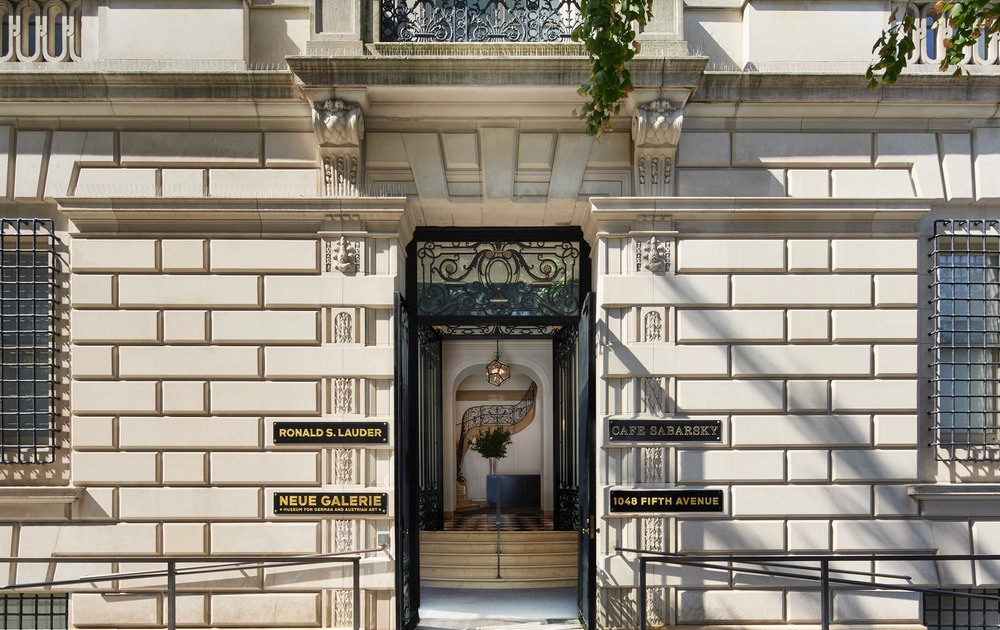
The planned union of the Metropolitan Museum of Art and Neue Galerie, reported by The Art Newspaper, is a useful live example. It looks intelligent: the focused collection survives, the larger institution gains depth, and the founder secures a legacy beyond his lifetime. But even good-looking mergers should be read skeptically. A merger changes governance, staffing, financial priorities, curatorial authority, and the social meaning of a collection. That deserves analysis, not applause on autopilot.
This guide is built for collectors, trustees, journalists, and museumgoers who want to know what questions actually matter before the celebratory copy hardens into consensus. A merger is not just a legal event. It is a transfer of power. Read it that way.
Start with the basic question: what problem is this merger solving?
Every merger solves something, even when the public language stays vague. Sometimes the problem is succession. Founder-led museums often reach a point where the original patron can no longer guarantee long-term support, and the next generation does not want to run a boutique institution forever. Sometimes the problem is scale. A smaller museum may have a great collection but inadequate conservation, digital, fundraising, or staffing infrastructure. Sometimes the problem belongs to the acquiring museum, which wants immediate strength in an area it would otherwise take decades to build.
Your first job is to identify that hidden engine. Read donor statements, board comments, and institutional histories carefully. Look at whether the smaller institution is undergoing renovation, leadership transition, or endowment strain. Check whether the larger museum has recently emphasized gaps the merger would conveniently fill. If nobody in the announcement names the underlying problem directly, that is itself information. Healthy institutions can usually speak honestly about why a merger makes practical sense.
Nonprofit filings, annual reports, and public governance documents can help here. In the United States, large museums’ tax filings and audited financial statements often reveal whether deferred maintenance, endowment pressure, or donor concentration is part of the background. Sector groups such as the American Alliance of Museums and ICOM also provide governance standards that make it easier to see where public language is drifting away from best practice.
Then ask what exactly is being transferred: objects, building, brand, staff, or all of the above?
A merger announcement often treats “the institution” as a single thing. It is not. A museum is at least five things at once: a collection, a building, a governance structure, a staff culture, and a public identity. The smartest way to read a merger is to separate those layers and see which are actually moving. Will the collection be absorbed into a central museum and redistributed? Will the satellite building remain active? Will the smaller institution’s staff stay in place? Will its curatorial program keep any independence? Will its name survive as more than donor signage?
These distinctions matter because the public may be promised continuity while the internal reality becomes assimilation. Keeping a founder’s name on a building does not guarantee that the institution’s method survives. A museum can preserve the façade and lose the ethos. When reading a merger, look for concrete commitments: named spaces, protected programming, ring-fenced endowment support, dedicated conservation budgets, advisory boards with real authority, and explicit statements about staffing and curatorial structure.
If the merger involves a significant property or house museum, look especially closely at operational details. Historic buildings are expensive. They can become trophy outposts unless there is a real funding plan for maintenance and program use. If the building remains active, ask what its calendar, ticketing, and public access will look like. If those details are deferred, the merger may still be in a branding phase rather than a worked-through institutional phase.
Follow the governance, because that is where the real power sits
Museum press releases love speaking about shared mission. Governance documents tell you who will actually decide things. Who appoints the board? Who controls endowment spending? Does the donor or founder retain veto power, special advisory status, or naming rights that influence future choices? Is there a joint board, a transitional board, or simply an advisory body with no binding authority? These are not minor details. They determine whether the merged institution is accountable to public mission, donor preference, or administrative convenience.
Watch for founder-heavy arrangements dressed up as continuity. It is reasonable for a donor who built an institution to shape a transition. It becomes a problem if the acquiring public institution accepts permanent governance distortions in exchange for a valuable gift. The right benchmark is not whether the founder remains influential. It is whether the merged institution still operates according to sound nonprofit governance rather than personalized patronage.
Professional resources can sharpen this reading. The AAM’s board guidance and state charity filings are often more revealing than glossy interviews. They show what fiduciary structure the institution claims to follow and where exceptions may be built into the merger.
Do not ignore the curatorial question: can scale preserve specificity?
The hardest museum mergers are not financial. They are atmospheric. A specialist museum usually matters because of density: a particular rhythm of rooms, a distinct curatorial voice, a certain level of focus, a social world that makes the collection legible in a specific way. Large museums often promise to preserve that identity. Sometimes they can. Sometimes scale turns intensity into a themed department.
To evaluate that risk, study what made the smaller institution different in the first place. Was it simply that it owned important works, or did it produce a particular experience that depended on scale, architecture, scholarship, and programming? If it is the latter, preservation requires more than keeping the objects together. It requires protecting the interpretive method.
This is where journalists and patrons often get lazy. They assume bigger institution equals safer future. That may be true financially. It is not automatically true culturally. A great merger preserves not just assets but sensibility. A bad merger stores masterpieces efficiently while killing the mood that made the institution worth saving.
Look at the money, especially what has been ring-fenced and what has not
Good merger announcements usually mention gifts, endowments, and transition support. Read that language very closely. Is the money unrestricted, or specifically earmarked for conservation, staffing, building upkeep, and program continuity? Has the donor pledged to cover integration costs, or is the acquiring institution expected to absorb them? Are there long-term funds for maintenance, or just launch money that makes the announcement look generous?
Ring-fencing matters because merged institutions often inherit invisible liabilities: storage upgrades, building systems, cataloguing work, HR integration, and security costs. If the money is only symbolic, the receiving museum may quietly subsidize the merger by diverting resources from other departments. That can create resentment internally and instability externally.
When possible, compare the institution’s public claims with later financial disclosures. Did it follow through? Did staffing levels hold? Did special programming continue? Mergers should be evaluated over years, not launch week.
Finally, judge the deal by the public it creates, not the prestige it accumulates
The cleanest test of any museum merger is simple: does the public end up with better access, stronger stewardship, and deeper interpretation than before? If yes, the deal may deserve praise. If the merger mainly secures a donor’s legacy, concentrates cultural power, and produces thinner programming under a stronger logo, then it has solved an elite institutional problem while offering the public less than advertised.
That is why mergers need follow-up scrutiny. Visit the space after the transition. Watch what disappears. Read the exhibition calendar. Check whether the curatorial voice still feels alive or has become generic. Look at whether the building remains a destination or slides into ceremonial status. These are the afterlives that matter more than launch rhetoric.
Museum mergers are not inherently bad. Some are necessary and genuinely smart. But they should never be mistaken for self-evident civic goods. They are negotiated redistributions of authority, money, and memory. If you read them closely enough, the real story is usually visible well before the first champagne flute hits the tray.
One more practical test is communications discipline. A serious institution will publish timelines, transitional leadership details, and concrete public-facing promises early. A weak one leans on mood words such as legacy, synergy, and stewardship while keeping mechanics offstage. When you see a merger announcement, compare the emotional language with the operational specifics. If the ratio is lopsided, skepticism is earned.
Collectors and trustees should also remember that mergers can reshape acquisition politics. Once a collection enters a larger museum, the logic for future donations may change. Competing departments may fight for resources. A founder’s preferred area may suddenly receive disproportionate attention because a merger has made it symbolically central. That can enrich an institution, but it can also skew priorities. Read subsequent acquisition patterns and exhibition budgets to see whether the merged museum has become more balanced or more donor-directed.
Finally, keep an eye on whether the merger expands the public archive around itself. Are governance documents, FAQs, and future updates easy to find? Are critics and scholars given enough information to assess the transition honestly? Institutions that believe in the civic value of a merger should be willing to document it in detail. Institutions that only believe in the headline will usually stop talking once the applause dies down. That difference tells you almost everything.
One final habit separates serious merger readers from casual ones: they compare the new institution’s promises with adjacent cases. artworld.today’s coverage of the Met-Neue Galerie merger is useful here because it shows how much of the real story sits in the details of naming, donor authority, and curatorial continuity rather than in the abstract claim that bigger is better.