How to Build a Serious Spring Exhibition Calendar in 2026
A practical framework for planning museum and gallery visits that prioritizes artistic substance, institutional context, and documentation quality over hype cycles.
Most people now build their spring culture plans the wrong way. They start with whatever appears in a feed, then react to urgency language, then discover too late that the calendar is full of shallow picks. If you want a season that actually changes what you know and how you look, you need an editorial method. This guide gives you one. It is designed for readers who care about contemporary art but do not want to waste weekends on programming that looks important only in screenshots.
Step one is to define your season thesis before you book anything. A thesis can be simple: postwar abstraction, artist-led infrastructures, queer archival practice, new institutional architecture, or transnational painting histories. The point is not to narrow your interests forever. The point is to establish a through-line that lets each visit build on the previous one. Without that, your calendar becomes disconnected entertainment and your notes never accumulate into usable knowledge.
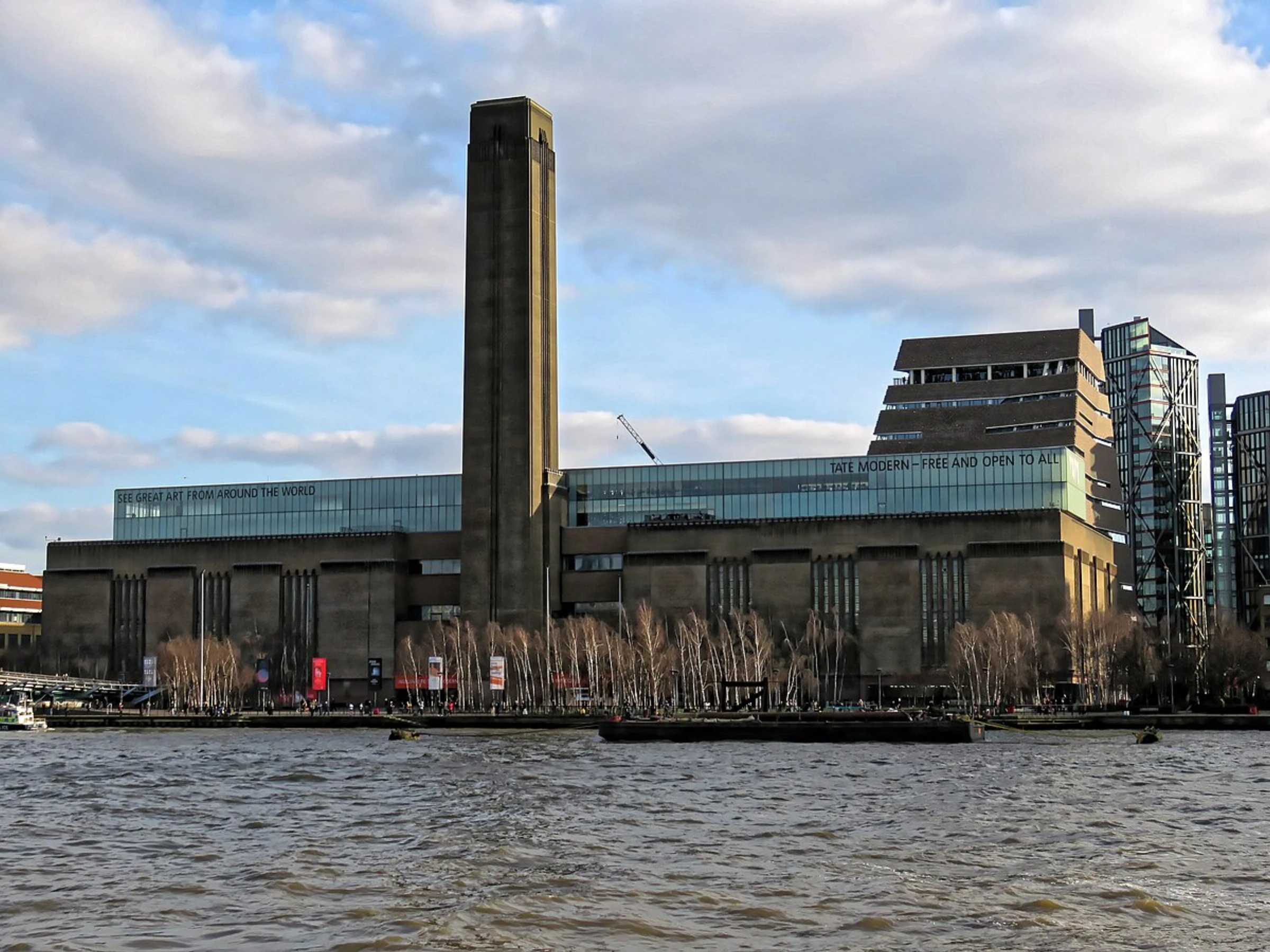
Step two is to anchor your planning in institutional calendars, not media summaries. Start with primary sources: <a href="https://www.tate.org.uk/visit/tate-modern">Tate Modern, <a href="https://www.tate.org.uk/visit/tate-britain">Tate Britain, <a href="https://whitney.org/">Whitney Museum, <a href="https://www.moma.org/">MoMA, <a href="https://www.newmuseum.org/">New Museum, <a href="https://www.fitzmuseum.cam.ac.uk/">Fitzwilliam Museum, and <a href="https://www.royalacademy.org.uk/">Royal Academy of Arts. Read what institutions themselves are announcing, then cross-check media framing. This reverses the usual workflow and protects you from narrative inflation.
Step three is to rank exhibitions with a three-part score: stakes, specificity, and spillover. Stakes means what is at issue beyond attendance numbers. Is the show testing a curatorial method, revising an art-historical account, or reframing an artist's position in relation to social history. Specificity means whether the exhibition gives you concrete visual and archival material, not generic claims. Spillover means whether the show can improve adjacent work, such as your reading list, your research questions, or your next studio or curatorial decisions.
Step four is to build route logic. Do not evaluate each exhibition as an isolated event. Pair and sequence them. If you are seeing a major abstraction show, follow it with a museum that foregrounds documentary or socially embedded practices. If you are attending a large biennial context, pair it with a smaller institution where installation conditions are slower and interpretive materials are less crowded. Route logic helps you detect curatorial assumptions that disappear when each show is consumed alone.
Step five is to control attention with pre-visit research limits. Read one institutional text, one independent review, and one artist interview per exhibition. Then stop. Over-reading before a visit can flatten perception by making you search for what you already expect. Under-reading creates noise. A controlled research packet keeps you prepared without converting the visit into confirmation bias.
Step six is to evaluate documentation quality as seriously as the installation itself. After each visit, check whether official images, captions, and educational materials match what you experienced onsite. Weak documentation is not a minor issue. It determines whether the exhibition can be meaningfully cited later by students, writers, and researchers. In 2026, institutions that claim digital accessibility but publish thin records are failing their own long-term mission.
Step seven is to audit institutional language. Many press texts now rely on repetitive terms such as urgency, dialogue, community, and experimentation. Treat these as placeholders until proven otherwise. Replace them with testable prompts: what is being shown, who selected it, what changed from previous iterations, and what evidence supports the curatorial claim. If an institution cannot answer those prompts in published material, lower its priority in your calendar.
Step eight is to track value per hour. Serious calendar building is partly logistics. Include travel time, ticket cost, queue risk, and likely dwell time. Then ask whether the exhibition offers enough density to justify the total investment. A concise but sharply installed show can outperform a sprawling blockbuster if it gives you durable insight and better notes. The right metric is not how many shows you saw. It is how many visits generated ideas you still use a month later.
Step nine is to maintain a season ledger. Use a simple table with columns for exhibition title, institution, curatorial thesis, strongest work, weak point, and follow-up action. Follow-up action can be as direct as ordering a catalog, revisiting a related artist, or planning a comparative visit. This ledger turns passive attendance into active research. It also makes your next season better because you can spot patterns in what consistently delivers value.
Step ten is to diversify institutional scale. Include at least one major museum, one mid-scale kunsthalle or city museum, one artist-run space, and one university-linked collection. Scale diversity is essential because each format reveals different constraints and strengths. Large museums often provide historical range and resources. Smaller spaces can take sharper risks. University collections can provide unusually strong didactics. A balanced calendar keeps any one institutional ideology from becoming your default lens.
Step eleven is to plan for revision. Mid-season, remove one weak priority and replace it with a show that has generated strong peer signals from people whose judgment you trust. Revision is not failure. It is editorial discipline. The same principle applies to writing and curating: first plans are useful, but better outcomes come from active adjustment as evidence changes.
Step twelve is to close the season with synthesis, not nostalgia. Write a one-page review of your own calendar. Which institutions delivered substance. Which shows changed your assumptions. Which curatorial models deserve ongoing attention. This synthesis phase is where calendar planning becomes intellectual infrastructure. Without synthesis, you only have memories. With synthesis, you have a method you can carry into summer and fall programming.
If you use this framework, your spring season will likely include fewer total events and better outcomes. You will miss some noise and gain a sharper map of where serious work is happening. That tradeoff is worth it. The goal is not maximum consumption. The goal is informed attention.
Reference set for planning and verification: <a href="https://www.tate.org.uk/visit/tate-modern">Tate Modern exhibitions, <a href="https://whitney.org/exhibitions">Whitney exhibitions, <a href="https://www.moma.org/calendar/exhibitions">MoMA calendar, <a href="https://www.newmuseum.org/exhibitions">New Museum exhibitions, and <a href="https://www.royalacademy.org.uk/exhibitions">Royal Academy exhibitions.