How to Build a Serious Hong Kong Art Week Plan, A Collector and Curator Playbook
A practical framework for navigating fairs, institutional shows, independent spaces, and studio appointments in Hong Kong without defaulting to market noise.
Hong Kong art week rewards preparation and punishes improvisation. The city now offers a dense mix of fair booths, museum exhibitions, private foundations, independent project spaces, and tightly scheduled dinners. If you arrive with no operating plan, the week collapses into a blur of familiar names and social obligations. If you arrive with a structure, you can produce real outcomes, new acquisitions with coherent logic, curatorial research leads, artist relationships, and better institutional intelligence.
This guide is designed for collectors, curators, advisors, and museum professionals who want signal over noise. The objective is not to see everything. The objective is to build a defensible editorial and collecting position in four days.
Step 1, Define your thesis before you land. Write one page answering three questions: which geographies you are prioritizing, which mediums you are actively considering, and which institutional conversations matter most to your program this quarter. A collector looking at textile-based political practices should not spend the same time budget as a curator researching post-internet installation. Your thesis determines route, meetings, and spending pace.
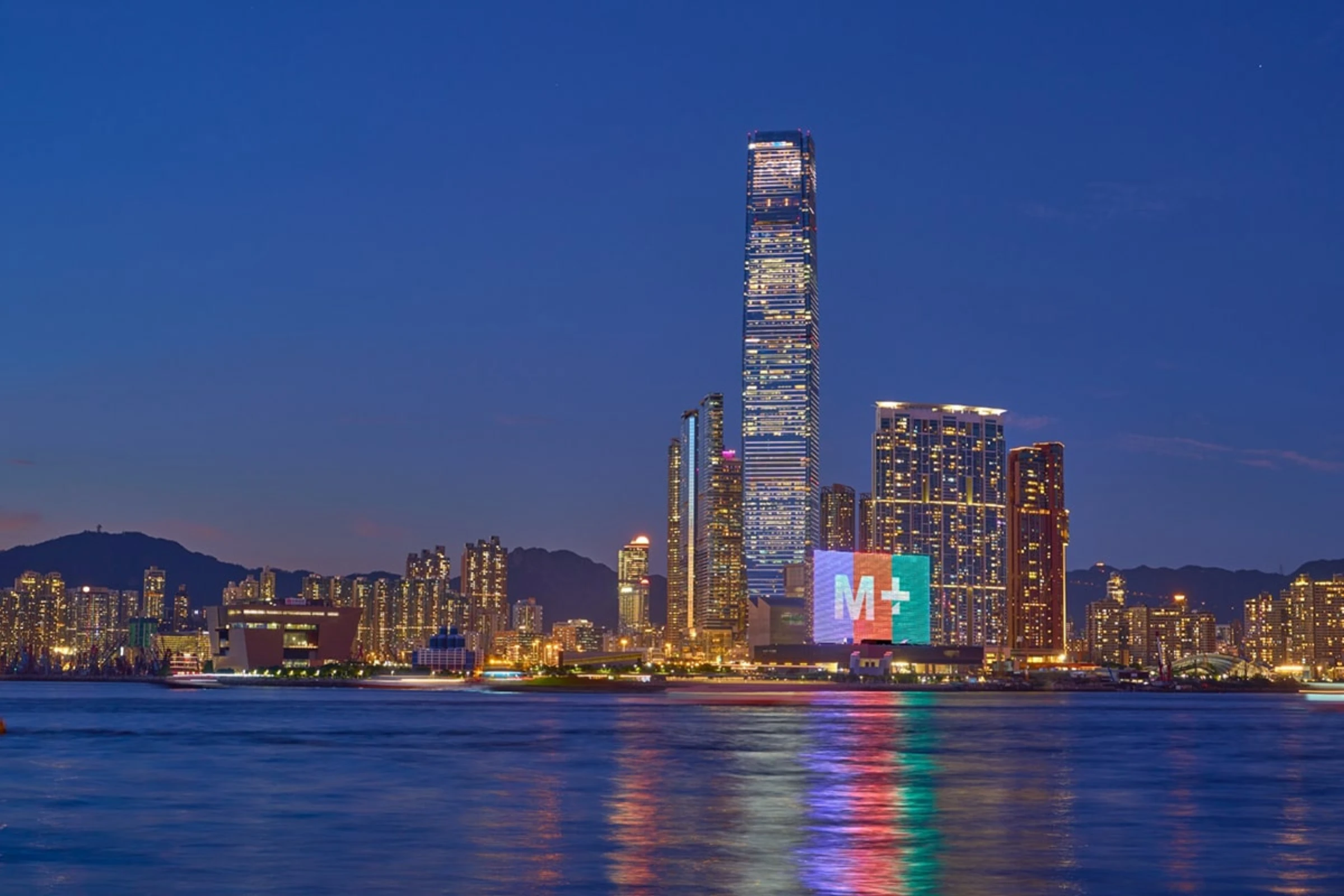
Step 2, Build your anchor institutions first. Start with major institutions that can reset your reading of the week. In Hong Kong, this includes M+, the Hong Kong Museum of Art, and independent program hubs such as Para Site. Schedule these early, ideally before your fair-intensive days, so your booth reading has context. Institutional shows clarify which practices are being historicized, which are being newly institutionalized, and which remain under-framed.
Step 3, Use Art Basel Hong Kong as a dataset, not a destination. Approach Art Basel Hong Kong with a pre-tagged list of 25 booths, split by must-see, secondary, and opportunistic. In each booth, capture four data points quickly: artist, price corridor, edition logic or uniqueness, and institutional placement history in the last three years. If a work interests you, request condition report and provenance details immediately, then continue moving. Don’t negotiate from the aisle. Set follow-up calls the same day.
Step 4, Prioritize independent spaces in afternoon blocks. New project spaces and foundations are often where the week’s most useful curatorial propositions appear, especially when institutions are overloaded and fairs optimize for sales velocity. Build a half-day route for spaces that are shaping discourse without fair-floor pressure. Reserve time for longer conversations at venues where artists and curators can discuss process, not just inventory availability. This is where thematic threads become visible.
Step 5, Reframe studio visits as due diligence. If your schedule includes studio appointments, bring a focused question set: body of work timeline, material sourcing, production constraints, and institutional ambition over three to five years. Ask what the artist does not want to repeat. That answer often reveals whether a practice is expanding or trapped by market demand. For acquisition-minded collectors, this is more informative than any booth placement.
Step 6, Run a two-track evening strategy. Evenings should serve either relationship building or research, never both at once. If the night is relational, commit to fewer events and deeper conversations with people you need to keep in your orbit. If the night is research-oriented, choose one exhibition dinner or curator-led walkthrough that extends your day’s thesis. Avoid event-hopping, it produces social exhaustion and weak memory retention.
Step 7, Standardize your notes. Use a simple matrix for every stop: what you saw, what changed your view, what requires follow-up, and what to ignore. Add price ranges only where relevant. By day three, this matrix becomes your decision engine. Without it, you will default to memory, and memory during art week is highly unreliable.
Step 8, Make acquisition decisions in a cooling window. Separate emotional response from financial commitment by setting a 12 to 24 hour review window for non-urgent purchases. In that window, verify authenticity documents, conservation considerations, and institutional context. Ask where comparable works sit, private home, storage, or public collection. Strong works can survive one night of scrutiny.
Step 9, Curators should leave with a programming map. If you are a curator, your output is not just contacts. Leave with a shortlist of artists and lenders aligned to your next two exhibition cycles, plus a practical feasibility note for each candidate. Include shipping complexity, insurance implications, and conservation risk. This turns art week from inspiration into executable programming.
Step 10, Close the week with a debrief before departure. Reserve two hours on your final day for synthesis. Decide which conversations continue in the next 14 days, which acquisitions advance to contract review, and which institutional partnerships deserve formal proposals. Send first follow-up emails before you leave the city. Delay kills momentum.
The central discipline is simple: treat Hong Kong art week as an editorial field operation rather than a social marathon. The fair is one tool, museums are another, and independent spaces provide the friction that keeps your thinking honest. If your schedule reflects a thesis, the week compounds. If it reflects invitations, it evaporates.
Done correctly, you leave with more than a stack of PDFs and dinner photos. You leave with decisions that can stand up in a boardroom, in a collection committee, or in front of artists whose work you claim to support. That is the standard worth traveling for.