How Collectors and Curators Can Evaluate Biennial Risk Before Committing Capital, Loans, or Reputation
A practical framework for assessing political, operational, and reputational risk around major biennials before making commitments.
For collectors, curators, trustees, and museum directors, biennial decisions used to be made with a familiar hierarchy: artistic quality first, logistics second, politics as background noise. That hierarchy no longer holds. In 2026, participation in large international exhibitions can carry material governance risk, from last-minute policy changes to prize-rule reversals, labor disputes, shipping interruptions, and reputational exposure tied to geopolitical developments.
This guide offers a practical framework you can use before committing capital, lending works, sponsoring a program, or attaching institutional identity to a biennial platform. The goal is not risk avoidance. It is risk pricing, risk distribution, and decision clarity.
1) Start with governance due diligence, not artist lineup excitement.
Before reviewing the curatorial thesis, examine the institution’s operating architecture. Who controls final policy decisions during crisis periods? Is there a transparent board structure? Are there published protocols for eligibility disputes, jury resignations, or force-majeure logistics? If these systems are opaque, your exposure rises regardless of program quality.
Review official channels first, including La Biennale di Venezia and specific edition pages such as Biennale Arte 2026. Then map discrepancies between formal communication and independent reporting.
2) Build a three-layer risk map: political, operational, reputational.
Political risk includes sanctions environments, diplomatic tensions, and state-level withdrawals. Operational risk includes shipping bottlenecks, customs volatility, insurance exclusions, and venue-readiness uncertainty. Reputational risk includes misalignment with public values, artist concerns, and board accountability.
Score each category from low to severe. Do not average scores into one number. Treat any severe category as a red-flag trigger requiring mitigation before commitment.
3) Demand contractual contingency, not verbal reassurance.
Collectors and institutions often rely on relationship trust in the art world. In unstable cycles, trust is necessary but insufficient. Require written clauses on cancellation cost allocation, install delays, publicity rights if pavilions close, and emergency retrieval authority for loaned works. Legal precision is cheaper than post-crisis litigation.
4) Evaluate prize and visibility mechanics as unstable variables.
Awards, jury systems, and opening-week narratives are no longer guaranteed constants. If your participation thesis depends on award outcomes, media sequencing, or specific ceremony optics, your risk profile is fragile. Build value assumptions around durable outcomes, scholarly framing, museum relationships, and publication quality.
5) Separate artistic conviction from event dependency.
If an artist is central to your collection strategy, support should not rely on one biennial’s smooth execution. Maintain parallel institutional pathways: museum talks, catalog essays, residency ties, and commissioning conversations outside the fair-and-biennial calendar. This reduces concentration risk while preserving long-term support.
6) Use a primary-source information stack.
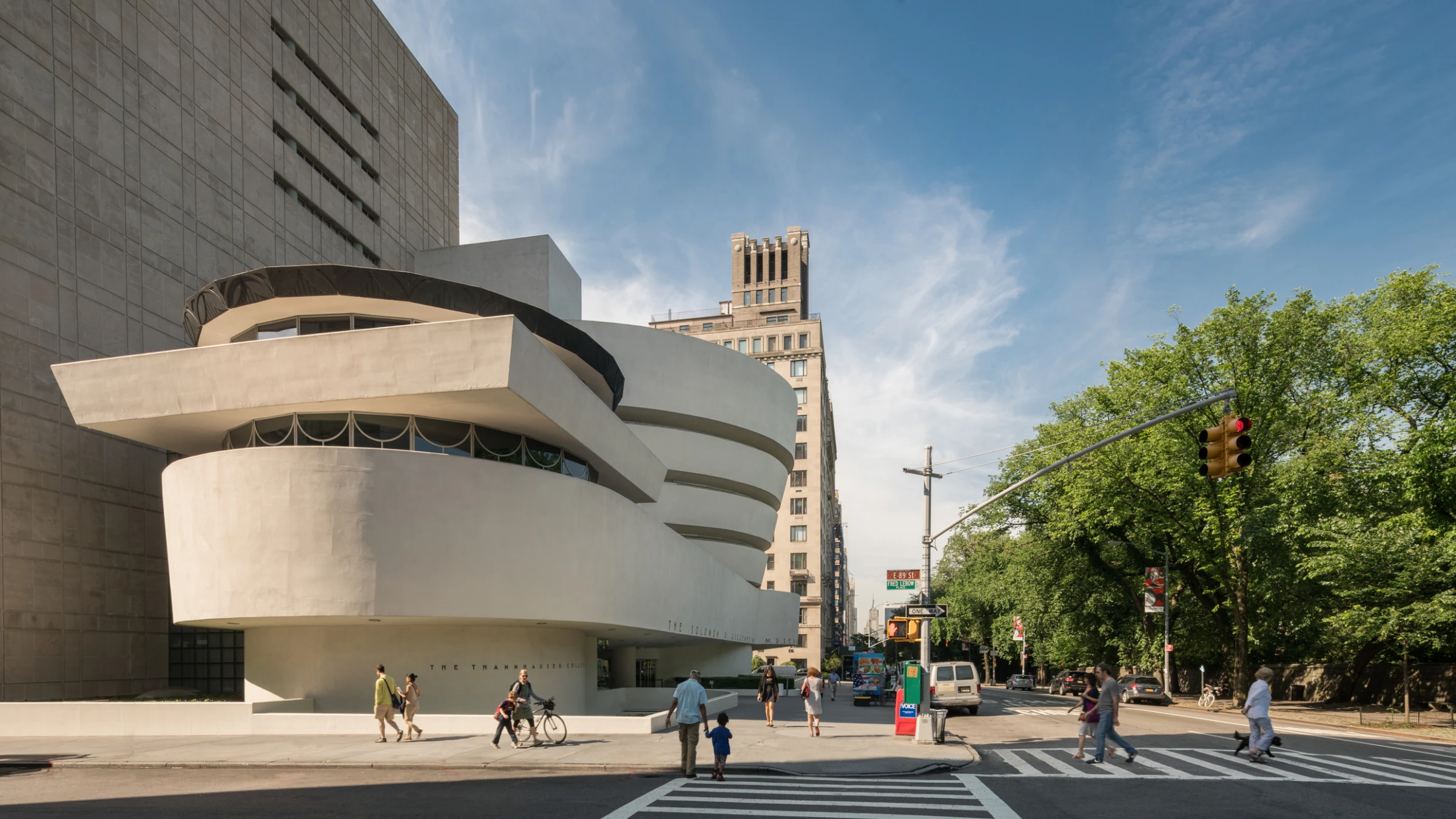
Do not make decisions from recap headlines alone. Build a monitoring set anchored in institutional sources, including Manifesta Foundation channels, host-edition portals like Manifesta 16 Ruhr, and museum-origin announcements such as the Guggenheim. Primary sources will not remove uncertainty, but they reduce narrative lag.
7) Stress-test sponsor and patronage alignment.
If you are a patron or trustee, ask whether sponsorship architecture is tied to clear cultural outcomes. Fellowships, research labs, and curatorial training can justify long-term alignment better than short-cycle visibility buys. However, these programs require transparency on selection, mentorship, and impact to avoid reputational skepticism.
8) Prepare a decision matrix before the crisis, not during it.
Create predefined triggers for proceed, pause, or exit. Example triggers include pavilion withdrawal, jury collapse, legal injunction, or sanctions-related shipment suspension. Assign who has authority to decide at each trigger level and what communication protocol follows. Institutional calm is mostly prewritten procedure.
9) Coordinate internal stakeholders early.
A common failure pattern is sequencing: curatorial teams commit publicly before legal, logistics, insurance, and communications teams complete risk review. Reverse that order. Interdisciplinary review may feel slower, but it materially reduces avoidable reversals that damage artist trust and public credibility.
10) Preserve artist-centered ethics in all risk decisions.
Risk frameworks are often written in financial language. In contemporary art, artists bear a disproportionate share of uncertainty during late-stage disruptions. Build protections for production costs, install labor, and documentation rights. A collector or institution that externalizes risk onto artists may win short-term flexibility and lose long-term trust.
11) Decide with conviction, then communicate with precision.
Once your decision is made, avoid vague statements. If you proceed, articulate why and under which safeguards. If you pause or withdraw, identify the concrete trigger without theatrical language. Clear explanations protect relationships better than reactive messaging.
12) Run a post-mortem after every major cycle.
After each biennial decision, document what assumptions proved accurate and what failed. Track forecasted versus actual logistics cost, timeline reliability, media impact, stakeholder satisfaction, and artist outcomes. This creates institutional memory and improves your next cycle. Without post-mortems, organizations repeat avoidable errors and mistake luck for strategy.
Bottom line: Biennials remain high-value cultural platforms, but they now demand governance-level preparation. The strongest actors in 2026 are not the loudest in opening-week coverage. They are the ones who pair artistic conviction with operational discipline, legal clarity, and institutionally honest communication.