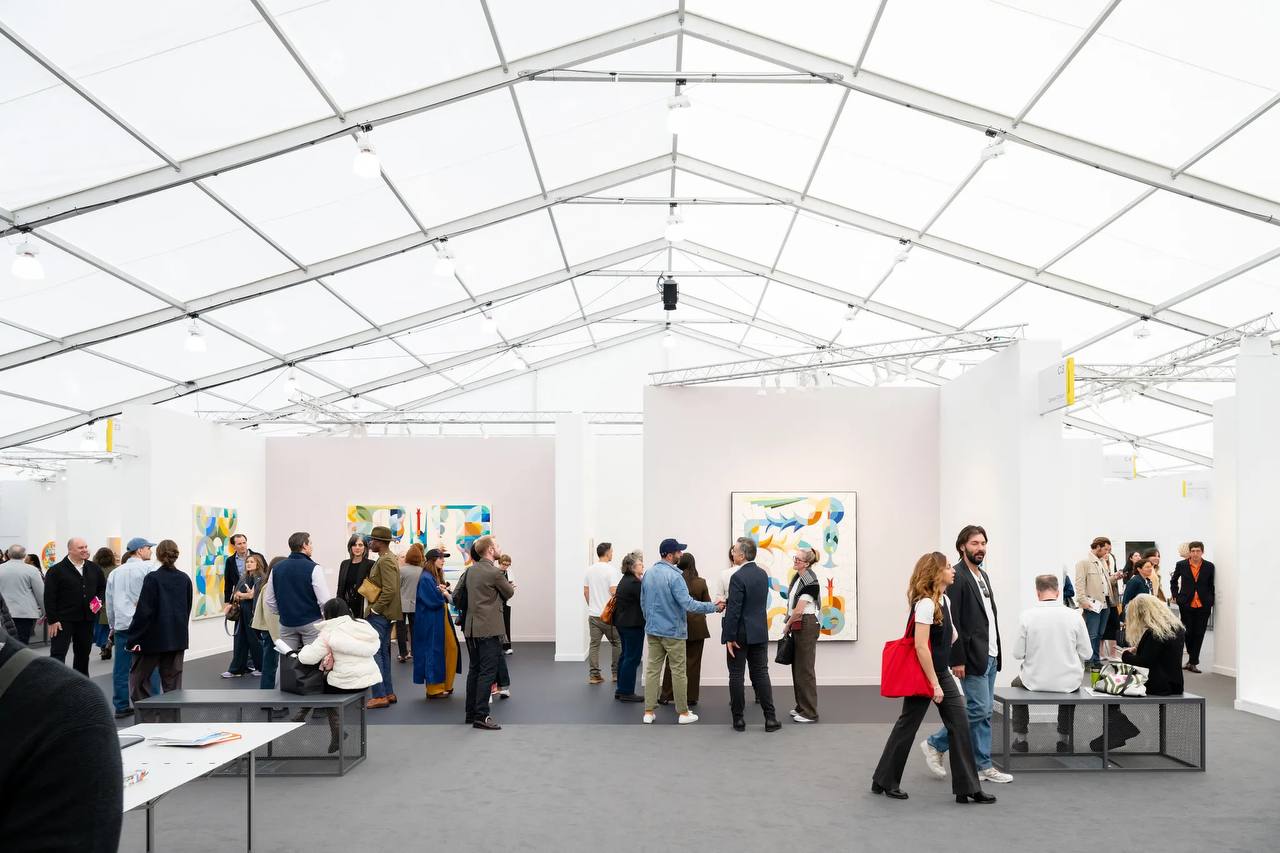
Frieze Los Angeles 2026: Collector Playbook for Buying With Conviction
A practical fair-week framework for collectors who want better decisions at Frieze LA, from preview triage and booth strategy to diligence, negotiation, and post-fair follow-through.
Frieze Los Angeles is one of the fastest decision environments in the global art market, and that speed punishes unstructured collecting. New buyers often mistake movement for momentum, social heat for quality, and access for insight. The collectors who perform best at Frieze are usually the least theatrical. They arrive with a thesis, a shortlist, and a defined diligence threshold, then execute without getting pulled into the fair’s status choreography.
Start with a focus, not a mood. A collector thesis should be narrow enough to filter noise and broad enough to surface opportunities across multiple booths. Good examples: post-2018 painting with strong material intelligence, sculpture practices tied to institutional momentum, or intergenerational abstraction where secondary and primary markets are both active. Without this filter, Frieze becomes an expensive tour of preference drift.
Preview discipline is the first structural advantage. Request PDFs, available works, and ask prices ahead of opening, then tag works in three buckets: immediate review, conditional review, and pass. Do not build your route around social plans. Build it around visual priority. Frieze days are short, attention is finite, and booth congestion can erase hours if you do not control sequencing.
At Frieze, the edge is not speed, it is process: the collectors who win are the ones with a framework before they enter the tent.
On the floor, separate booth quality from object quality. A polished booth with strong sales choreography can still contain weak works, and a less theatrical presentation can hide one of the best opportunities of the week. Spend your first pass on visual triage only: proportion, surface behavior, structural confidence, and whether a work remains compelling after thirty seconds and after three minutes. If it fails that second look, move on.
Second pass is for context questions. Ask what changed in the artist’s work over the last 18 to 24 months, where this piece sits within that evolution, and what institutions are watching or showing the practice. If answers are generic, that is signal. Strong galleries can speak precisely about trajectory, not just biography. You are buying into a body of work, not a booth moment.
Pricing should be read as architecture, not sticker shock. The right question is not only whether the number feels high or low, but whether the ask is supported by quality, publication history, placement discipline, and edition logic when relevant. A cheap weak work is still expensive over time. A high ask with proper context and structural strength can be the better long-term decision.
For first-time Frieze collectors, use a strict note protocol. Record artist, title, medium, dimensions, date, asking range, hold status, comparable works, and open diligence questions in one standardized sheet. Memory degrades quickly under fair intensity. By late afternoon, many buyers are running on social recall rather than visual evidence. That is when avoidable mistakes happen.
Negotiation is most effective when tied to commitment clarity. If you want better terms, be explicit on decision timeline, payment readiness, shipping expectations, and placement intent. Galleries respond better to precise buyers than to broad fishing. In top-tier booths, price flexibility may be limited, but installment structure, logistics support, or future access can still be negotiated.
Do not postpone logistics until after verbal commitment. Confirm condition reporting, crate standards, insurance scope, transit route, and delivery timing while terms are still open. Operational friction after the fact can convert a strong acquisition into a weak ownership experience. Serious collectors treat shipping, insurance, and install planning as part of acquisition quality.
Frieze week in Los Angeles also includes satellite fairs, private events, and off-site programming that can improve decision quality if used correctly. Museum and institutional visits help recalibrate your eye away from booth pressure and trend density. A two-hour museum reset can save you from a six-figure impulse aligned more with social current than collection logic.
Within 72 hours after the fair, rerank all shortlisted works from memory first, then against your notes and images. If urgency survives after social velocity drops, conviction is likely real. If urgency evaporates, you likely avoided a weak buy. This post-fair audit is where long-term collection quality is built.
Frieze Los Angeles 2026 will reward collectors who can remain calm, specific, and evidence-driven in a high-noise environment. The market does not pay for excitement. It pays for judgment. Build the framework, trust your eye, demand clarity, and buy only what still feels inevitable after the fair has ended.