A Curator-Collector Due Diligence Playbook for Museum Expansion Announcements
How to evaluate whether a museum expansion is a real institutional upgrade or a high-risk branding project before timelines, costs, and governance drift out of view.
Museum expansion announcements are designed to look inevitable. Renderings are polished, donor language is optimistic, and projected opening years tend to sit far enough in the future that accountability is delayed. For curators and collectors, that creates an evaluation gap. By the time warning signals become obvious, boards are committed, costs have escalated, and public messaging has hardened. This guide is a practical framework for evaluating expansion projects early, while decisions are still pliable.
1) Start with purpose, not architecture. The first due-diligence question is simple: what problem is the institution trying to solve. Common justifications include overcrowding, storage constraints, conservation deficits, education demand, and regional audience growth. Each has different operational implications. A project framed as visitor-flow improvement should produce specific circulation targets. A project framed as curatorial breadth should define collection and exhibition outcomes. If the purpose statement stays vague, treat that as a governance risk.
2) Pressure-test space math. Institutions often announce total square footage and percentage increases in gallery space. Ask what portion is public program, what portion is back-of-house, and what proportion is net usable hanging area. A 15 percent headline gain can translate into a much smaller curatorial gain once mechanical zones and compliance requirements are accounted for. Curators should request adjacency diagrams and draft circulation plans before celebrating expansion numbers.
3) Track funding mix and exposure. Capital campaigns combine philanthropy, debt, and occasionally public support. The critical metric is not only campaign total but funding quality. Is money pledged or received. Are gifts restricted. Is debt fixed or variable. What happens if fundraising underperforms by 10 to 20 percent. Collectors supporting institutions should insist on contingency disclosure. If there is no explicit downside scenario, one has not been modeled with discipline.
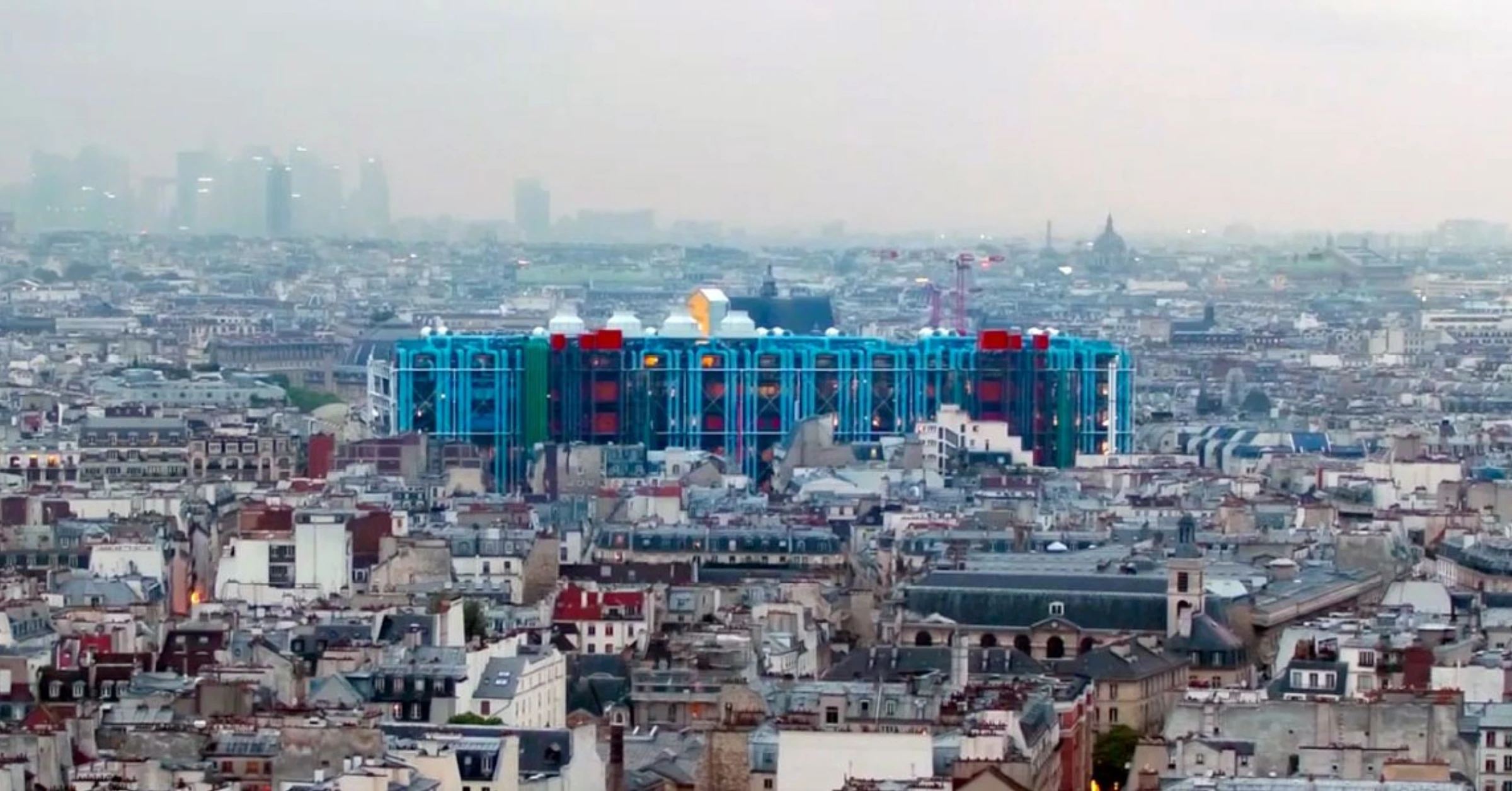
4) Evaluate operating model, not just capital model. New buildings create recurring costs, security, facilities staffing, insurance, conservation, and digital infrastructure. Many projects are capital-complete but operating-fragile. Ask for a three-year post-opening operating projection, including assumptions on attendance and programming load. If a museum cannot articulate how recurring costs are covered without emergency cuts, expansion may degrade quality instead of improving it. Institutions like the National Gallery and Centre Pompidou show how operating continuity planning has to sit beside design ambition.
5) Check curatorial governance architecture. Expansion shifts power internally. New wings can centralize programming under executive leadership or disperse authority to curatorial departments. Neither is automatically better. What matters is whether decision rights are explicit. Curators should ask who controls commissioning budgets, how long planning horizons are set, and how riskier scholarship is protected from short-term attendance pressure. Governance ambiguity tends to become programming conservatism.
6) Assess construction and delivery risk. Timelines for major cultural projects almost always move. The useful question is whether delay risk is priced in. Review procurement strategy, contractor selection logic, and permitting dependencies. Institutions that publish stage gates and update milestones transparently generally execute better than institutions that treat timeline changes as communications problems. Collectors considering major gifts can use milestone-linked disbursement structures to improve accountability. For benchmark practices, review public project frameworks at the V&A and long-cycle capital planning references from the American Alliance of Museums.
7) Read community integration seriously. Expansion rhetoric frequently invokes access and inclusion, but measurable commitments are less common. Look for specific plans, free-entry days, neighborhood programming partnerships, multilingual interpretation, and sustained education staffing. One-off opening-season outreach is not integration. Regional institutions that succeed over ten years tend to lock community obligations into operating plans, not marketing decks. A clear example is when institutions build year-round civic partnerships in advance, the way some triennial platforms such as Counterpublic do through local commissioning structures.
8) Build an independent monitoring rhythm. Do not rely on annual gala speeches for project intelligence. Set a quarterly review cadence with a compact scorecard: scope, budget variance, funding status, delivery milestones, staffing, and programming readiness. Curators inside institutions can adapt the same format for internal planning. The point is not suspicion, it is memory. Large projects drift when organizations forget prior assumptions.
9) Watch for substitution effects. Expansion can crowd out other priorities, acquisitions budgets, conservation, staff retention, and digital modernization. Boards should ask what is being deferred to fund construction momentum. A world-class wing alongside weakened collections care is a strategic loss disguised as success. The highest-performing institutions treat expansion as one portfolio component, not a total institutional identity.
10) Define success before opening day. Establish outcome metrics in advance: curatorial diversity benchmarks, conservation throughput, visitor dwell time, repeat visitation, artist commissioning levels, and education reach. If success criteria are invented after opening, the project has already escaped accountability. Collectors and curators who align on pre-defined metrics can support ambitious building projects without surrendering institutional standards.
The next decade will produce more expansion announcements as museums compete for relevance, audience attention, and donor capital. Some projects will deserve support because they are structurally prepared, mission-aligned, and operationally credible. Others will be expensive detours. Due diligence is how you tell the difference while the outcome is still changeable. The practical upside is simple: when collectors and curators ask better questions earlier, institutions make better projects, artists get stronger contexts for their work, and audiences inherit buildings that are useful rather than merely impressive.