Guide to Protecting Cultural Heritage From Natural Disasters
How museums, historic sites and cultural institutions can prepare for earthquakes, floods and climate-driven disasters through risk assessment
Why Cultural Heritage Disaster Preparedness Matters
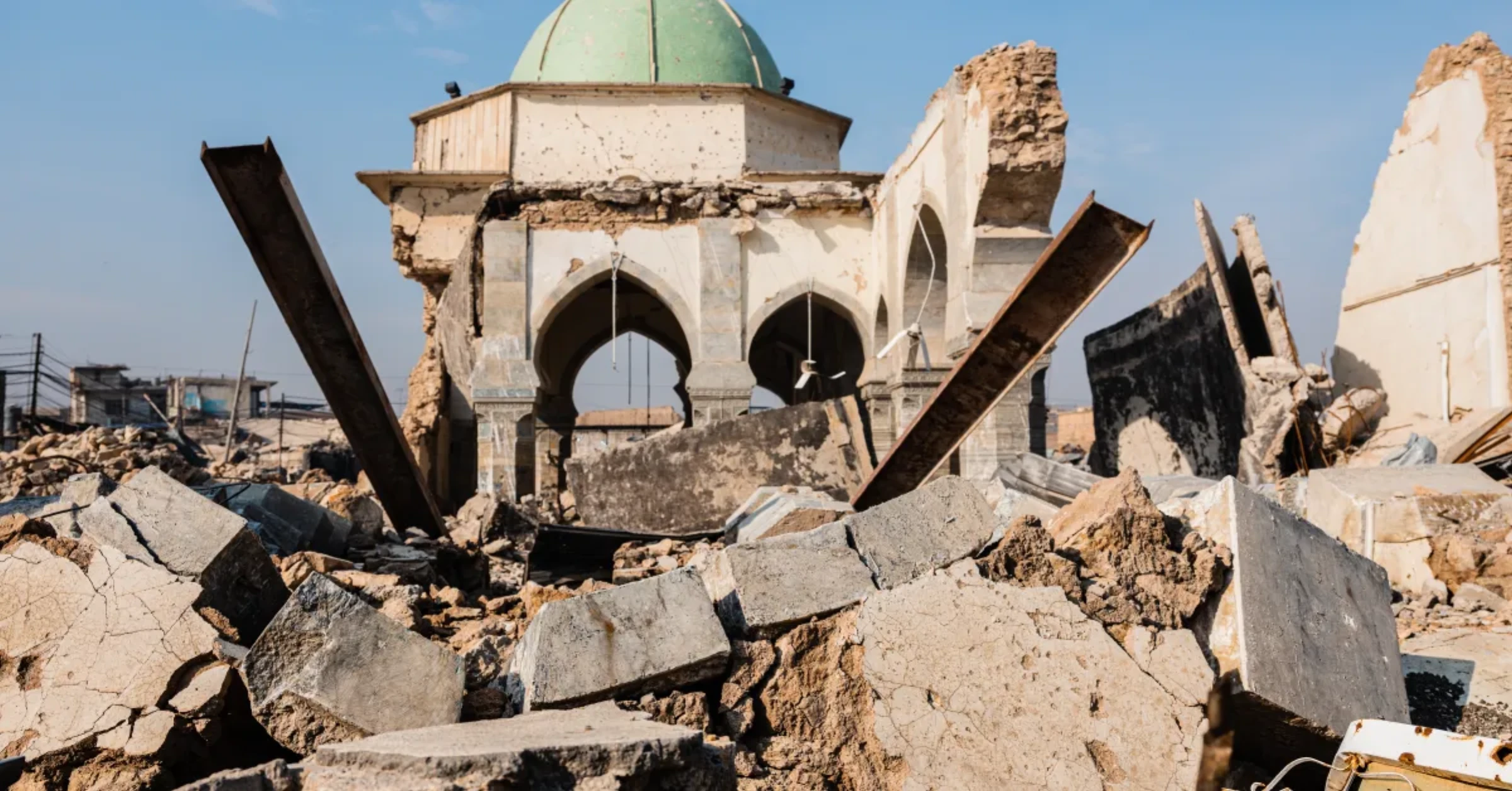
The 7.4-magnitude earthquake that struck Colombia on 10 August 2026 damaged 40 nationally protected cultural properties, including colonial churches, historic municipal buildings, and the Coffee Cultural Landscape, a UNESCO World Heritage Site. The disaster is a stark reminder that cultural heritage is uniquely vulnerable to natural disasters, and that the loss of historic buildings and cultural artifacts is not merely a matter of architectural loss but of community identity, historical memory, and social cohesion. As climate change increases the frequency and intensity of extreme weather events, and as seismic activity continues to threaten historic cities around the world, the need for systematic disaster preparedness in the cultural heritage sector has never been more urgent.
The Colombian government's response to the earthquake, which included an emergency resolution allowing preventive work on cultural properties for six months, offers a model for how governments can act quickly to protect cultural heritage in the aftermath of a disaster. But emergency response is only one part of the equation. The most effective protection of cultural heritage comes from preparedness measures taken before disaster strikes, including risk assessments, structural reinforcement, emergency planning, and the training of staff and local communities in disaster response. This guide provides an overview of the key principles and practices of cultural heritage disaster preparedness, drawing on the experience of institutions and organizations around the world that have dealt with earthquakes, floods, fires, and other natural disasters.
Understanding the Risks
The first step in protecting cultural heritage from natural disasters is understanding the specific risks that a given site or collection faces. Different types of disasters pose different threats to cultural heritage. Earthquakes can cause structural collapse, cracking, and displacement of building elements. Floods can cause water damage, mold growth, and structural erosion. Fires can destroy buildings and artifacts outright, and the smoke and water used to fight fires can cause secondary damage. Climate change is exacerbating all of these risks, with rising temperatures, changing precipitation patterns, and more frequent extreme weather events creating new threats to cultural heritage sites that have stood for centuries.
Risk assessment should be conducted by qualified professionals, including structural engineers, conservators, and disaster management specialists, and should take into account the specific characteristics of the site or collection, including its age, construction materials, structural condition, and historical significance. The International Centre for the Study of the Preservation and Restoration of Cultural Property (ICCROM) has developed comprehensive guidelines for cultural heritage risk assessment, which include tools for identifying hazards, assessing vulnerability, and prioritizing mitigation measures. The assessment should also consider the broader context, including the site's relationship to its surrounding community, its accessibility for emergency responders, and the availability of local resources for disaster response and recovery.
Structural Reinforcement and Preventive Conservation
Once the risks have been identified, the next step is to implement measures to mitigate them. For historic buildings, this may include structural reinforcement to improve seismic performance, such as the installation of reinforced concrete cores in masonry walls, the anchoring of structural elements, and the reinforcement of parapets, chimneys, and other vulnerable features. The approach taken to structural reinforcement must be sensitive to the historic character of the building, using materials and techniques that are compatible with the original construction and that do not compromise the building's architectural integrity. The Getty Conservation Institute has published extensive guidance on the structural reinforcement of historic buildings in seismic zones, drawing on its experience with projects in California, Italy, and other earthquake-prone regions.
For movable cultural artifacts, preventive conservation measures include proper storage conditions, protective enclosures, and the securing of artifacts to prevent displacement during earthquakes or floods. Collections should be documented and photographed, with copies of documentation stored in multiple locations, to facilitate recovery in the event of loss or damage. Digital inventories, including 3D scans of significant objects, can be invaluable for reconstruction and replication if artifacts are damaged or destroyed. The Chinati Foundation's approach to preserving Donald Judd's Artillery Sheds in Marfa, Texas, offers an instructive example of how institutions can balance preservation with artistic integrity, using passive systems and minimal intervention to protect site-specific works in a harsh desert environment.
Emergency Planning and Response
Every cultural heritage institution should have a written emergency plan that outlines the procedures to be followed in the event of a disaster. The plan should include contact information for key personnel, emergency responders, and outside experts, as well as procedures for evacuating staff and visitors, securing the site, assessing damage, and stabilizing damaged artifacts and buildings. The plan should be regularly updated and rehearsed, with drills conducted at least annually to ensure that staff are familiar with the procedures and that the plan remains current. The UNESCO Culture Emergencies programme provides resources and guidance for cultural institutions on emergency planning and response, including tools for rapid damage assessment and post-disaster recovery.
In the immediate aftermath of a disaster, the priority is to stabilize damaged structures and prevent further loss. This may include shoring up compromised walls and roofs, covering damaged openings with temporary weatherproofing, removing artifacts at risk of theft or further damage, and documenting the condition of the site and its contents. The Colombian government's emergency resolution, which allowed preventive work on cultural properties for six months, is a good model for the kind of regulatory flexibility that is needed in the aftermath of a disaster. Normal regulatory processes, which may require lengthy approvals for interventions in historic buildings, can be too slow for emergency conditions, and governments should have pre-existing mechanisms in place to expedite approvals in disaster situations.
Recovery and Reconstruction
The recovery phase, which begins after the immediate emergency has been addressed, is often the longest and most complex part of the disaster cycle. Recovery involves not only the physical reconstruction of damaged buildings and the restoration of damaged artifacts, but also the rebuilding of the institutional and community structures that support cultural heritage. In Colombia, the culture ministry is working to build a network of specialists and develop a plan for the repair and reconstruction of damaged sites, a process that is likely to take years and require significant investment from both the Colombian government and the international community.
International cooperation is often a crucial component of recovery. The experience of other countries that have faced similar disasters can provide valuable expertise and resources. Italy, which has dealt with numerous earthquake-related cultural heritage crises, has developed sophisticated techniques for the structural reinforcement and restoration of historic buildings. Nepal, which suffered extensive damage to historic sites in the 2015 earthquake, has developed community-based approaches to reconstruction that prioritize local knowledge and participation. The International Council on Monuments and Sites (ICOMOS) has established a framework for international cooperation in cultural heritage disaster recovery, which includes guidelines for the deployment of expert teams, the coordination of international assistance, and the integration of local communities in the reconstruction process.
Building a Culture of Preparedness
The most important lesson from decades of cultural heritage disasters is that preparedness is not a one-time effort but an ongoing commitment. Institutions that have successfully weathered natural disasters are those that have invested in preparedness over the long term, building relationships with local emergency responders, training staff in disaster response, maintaining up-to-date documentation of their collections, and regularly reviewing and updating their emergency plans. The cultural heritage sector has made significant progress in disaster preparedness in recent years, but much remains to be done, particularly in regions where resources are limited and where the threat of natural disasters is high.
The Colombian earthquake is a reminder that disasters can strike at any time, and that the cultural heritage that is lost in a disaster can never be fully recovered. The best protection is preparedness, and the best time to prepare is before disaster strikes. For institutions that have not yet developed emergency plans or conducted risk assessments, the time to start is now. The resources and expertise are available, from international organizations like UNESCO and ICCROM to national heritage agencies and professional associations. What is needed is the commitment to act, the resources to implement, and the recognition that cultural heritage is not a luxury to be protected in good times but a vital part of human identity that must be safeguarded at all times. The lessons from Colombia, from Marfa, and from cultural heritage disasters around the world are clear: preparedness saves heritage, and the investment in protection before disaster strikes is always less costly than the loss of irreplaceable cultural property after the fact. The international community must redouble its efforts to support cultural heritage disaster preparedness, particularly in regions that are most vulnerable to natural disasters and least equipped to respond. Every institution, regardless of its size or budget, can take basic steps toward disaster preparedness, from simple risk assessments to staff training and emergency drills that prepare teams for the chaotic conditions of a real disaster. The cost of prevention is a fraction of the cost of reconstruction, and the cultural value of what is preserved is incalculable.