A Smart 48-Hour Berlin Art Itinerary for Spring 2026
Berlin rewards planning without killing discovery. This two-day route is built for readers who want serious museum time, strong gallery concentration, and enough flexibility to follow the city’s best detours.
Berlin can punish over-ambition very quickly. Distances look short on a map, opening hours vary by institution, and your best viewing moments often happen when you leave room for a wrong turn that becomes the day’s highlight. A workable two-day itinerary starts by treating the city as three art zones rather than one sprawling destination: Museum Island and Mitte for institutional depth, Potsdamer Straße and Tiergarten for concentrated gallery runs, and Kreuzberg or Neukölln for younger spaces, artist-run rooms, and less scripted programming.
Start Saturday early at Hamburger Bahnhof, where the scale of the building slows your pace in the best way. Give contemporary installations enough time to breathe, then move to the collection galleries with a tighter lens: identify one or two artists or movements you want to track, and build your notes around them. The museum can eat half a day if you let it, so set a hard departure time before lunch. If you are traveling with collectors or curators, this is the best place to align taste language before you split into smaller groups later.
From there, move into Mitte for a focused second stop. Depending on current programming, either lock in a museum exhibition with historical weight or take a short run through two compact galleries with strong curatorial statements. Keep lunch practical and close to your next destination. Berlin rewards continuity more than culinary heroics in a two-day sprint. The point is to preserve attention for looking, not to build an all-day reservation itinerary that fractures momentum.
In Berlin, the best weekend plan is not a checklist, it is a sequence of neighborhoods that lets the city’s tempo do half the curatorial work.
Saturday afternoon belongs to Potsdamer Straße and nearby clusters. This is where you can compare commercial positions quickly and read market temperature without turning the day into pure transaction theater. Enter each gallery with one question: what is the argument of this show, and does the installation make that argument legible? You can cover five or six spaces in a compact loop if you stay disciplined. Keep a short written log after each visit. By the fifth room, memory blurs unless you capture specifics.
Use early evening for one destination project space or nonprofit venue. Berlin’s independent sector often carries formal risk that larger institutions cannot. If the day has felt polished, this is the counterweight. You are looking for work that has not yet been absorbed into consensus, whether that means performance residue, rough-edged installation, or research-heavy exhibitions that ask for patience. End the day with a debrief, ideally while your notes are still vivid. Flag one artist you want to follow this year, not just one show you liked.
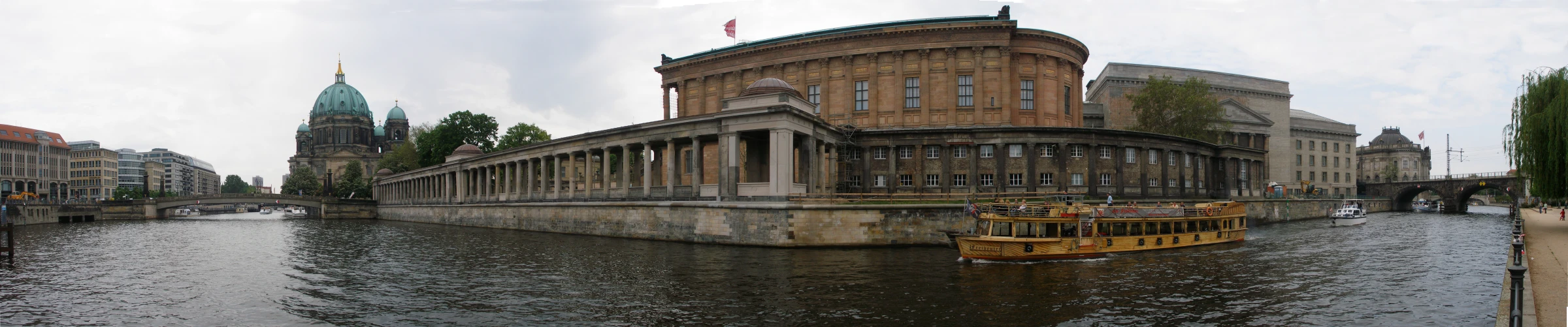
Sunday should begin with Museum Island logic: one major institution, one supporting stop, then an adaptable afternoon. If you choose Alte Nationalgalerie or a neighboring museum, focus on continuity between historical material and the contemporary work you saw on Saturday. This is where Berlin becomes useful beyond trend mapping. The city lets you test whether your contemporary preferences are rooted in enduring visual intelligence or short-cycle art fair conditioning.
By midday, shift south toward Kreuzberg or Neukölln for smaller spaces and artist-run programs. Do not aim for volume. Three good visits beat eight rushed ones. In these neighborhoods, the strongest encounters often come from modest rooms with precise curatorial intent. Ask for checklists, upcoming program sheets, and publication references when available. If you are advising clients or building acquisitions research, this is where future signal frequently appears before prices and narratives consolidate.
Practical planning matters. Book timed tickets where required, check Sunday closures in advance, and expect some galleries to open later than your map suggests. Berlin’s public transport is reliable enough to keep transitions efficient, but walking between close venues is usually the better choice because urban context sharpens your reading of each program. Budget for coffee and note-taking breaks. Attention is your scarce asset on this route, and fatigue is the fastest way to flatten meaningful differences between exhibitions.
A strong Berlin weekend does not end with a perfect scorecard. It ends with a clearer sense of where your taste stands right now, which artists merit follow-up, and which institutions are setting terms for the season. If you leave with three durable insights and one relationship worth developing, you ran the city correctly. The itinerary is a scaffold, not a cage. Berlin works when structure and drift stay in balance.
Before you leave, do one final practical sweep: save all exhibition links, request PDFs or press releases you missed, and log opening dates for shows that rotate in the next three months. Berlin rewards return visits, and your next trip is easier if you treat this weekend as research, not consumption. The city’s value is cumulative. Each disciplined short visit compounds into stronger judgment, better conversations, and more confident decisions when opportunities appear, especially when you revisit neighborhoods with fresh context and sharper criteria.