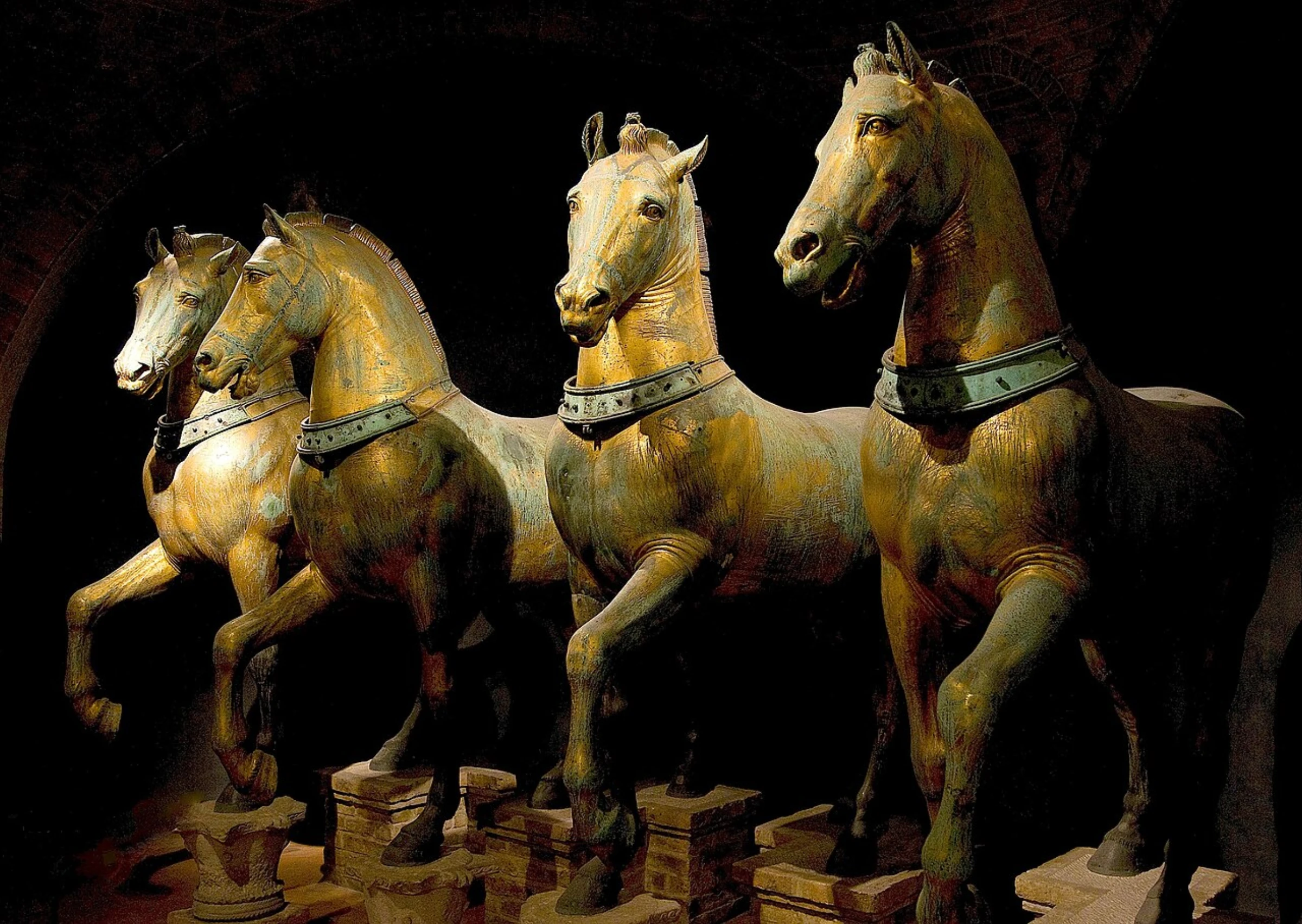
How Stolen Masterpieces Find Their Way Home in 2026
From Nazi-looted paintings to colonial-era seizures, the global framework for returning stolen art is undergoing its biggest transformation in decades
Why Art Restitution Matters Now
Art restitution has moved from the margins of museum policy to the center of cultural debate. In 2026 alone, the Guggenheim sued to recover a Picasso stolen 65 years ago, Italian police recovered $10 million in Cezanne, Matisse, and Renoir paintings stolen from a museum near Parma, and Brazilian police recovered eight Matisse prints looted from a library in Sao Paulo. These cases are not isolated incidents. They are part of a global reckoning with the provenance of cultural objects, driven by improved provenance research, changing legal frameworks, and growing public pressure on institutions to confront the often violent histories behind their collections.
The stakes are enormous. Museums hold millions of objects with questionable or incomplete provenance. The Metropolitan Museum of Art, the British Museum, the Louvre, and hundreds of smaller institutions face ongoing demands for repatriation from countries and communities whose cultural heritage was removed, often under colonial rule or during wartime. The artworld.today coverage of Ghana's restitution efforts and Ireland's restitution legislation illustrates how these debates are moving from diplomatic discussions into national policy.
The International Legal Framework
Art restitution operates within a patchwork of international conventions, national laws, and bilateral agreements. The foundational document is the 1970 UNESCO Convention on the Means of Prohibiting and Preventing the Illicit Import, Export and Transfer of Ownership of Cultural Property, which established that cultural objects illegally exported from one country cannot be legally imported into another. The 1995 UNIDROIT Convention on Stolen or Illegally Exported Cultural Objects supplemented this by creating rules for the return of stolen cultural objects between contracting states.
In the United States, the National Stolen Property Act of 1946 makes it a federal crime to transport stolen property across state lines. This law has been used to prosecute art traffickers and to recover stolen works. New York has emerged as a particularly favorable jurisdiction for rightful owners, following a 1991 state court decision in a case involving the Guggenheim's effort to recover a stolen Chagall. That ruling established that a thief cannot pass good title and that the original owner's claim does not expire simply because time has passed. This precedent is now central to the Guggenheim's 2026 lawsuit to recover a Picasso stolen in 1961.
For Nazi-looted art, the Washington Principles of 1998, endorsed by 44 countries, established that museums should identify works confiscated by the Nazis and seek fair and just solutions with the heirs of the original owners. The principles are not legally binding, but they have created a moral framework that has led to the return of thousands of works. Germany's Handreichung guidelines and the UK's Spoliation Advisory Panel provide additional national mechanisms for addressing claims.
How the Restitution Process Works
Restitution typically begins with provenance research. Museums, auction houses, and collectors trace the ownership history of a work, looking for gaps, suspicious transfers, or evidence of coercion. This research has become more systematic in recent years, with institutions like the Metropolitan Museum of Art establishing dedicated provenance research teams. Digital databases, including the Art Loss Register and the German Lost Art Foundation's database, have made it easier to identify stolen works.
Once a claim is made, the process usually follows several stages. First, the claimant contacts the current holder with evidence of ownership. This is often a museum or gallery that acquired the work in good faith. The two sides may enter negotiations, which can take years. If negotiations fail, the claimant may file a lawsuit. In the Guggenheim's case, the museum spent nearly three years trying to resolve the matter outside court before filing suit in August 2026.
Several outcomes are possible. The work may be returned outright. The parties may reach a financial settlement that allows the current holder to keep the work. The work may be donated to a museum that acknowledges the restitution claim. In some cases, governments intervene diplomatically, as France did in 2024 when it returned 26 Benin bronzes to Nigeria.
Colonial Restitution: The Harder Conversation
While Nazi-looted art cases have a relatively clear legal framework, colonial-era restitution is more complex. Many objects were acquired during periods of colonial rule under legal regimes that, while coercive, were technically lawful at the time. The British Museum's holding of the Parthenon Marbles, taken from Athens by Lord Elgin in the early 19th century, is the most famous example, but there are thousands of similar cases.
The 2018 report by Felwine Sarr and Benedicte Savoy, commissioned by French President Emmanuel Macron, recommended the systematic return of African cultural objects taken during the colonial era. The report has had a significant impact on European museum policy, though implementation has been slow. Germany has returned Benin bronzes to Nigeria. The Netherlands has begun returning objects taken from Indonesia and Sri Lanka. The artworld.today guide to art provenance research provides further detail on how these investigations work in practice.
The United States has its own colonial restitution challenges. The Native American Graves Protection and Repatriation Act (NAGPRA) of 1990 requires museums to inventory their Native American collections and return human remains, funerary objects, and sacred objects to descendant communities. Implementation has been uneven, but 2024 and 2025 saw a significant increase in repatriations as museums came under increased public and regulatory pressure. The 2024 NAGPRA revisions, which streamlined the consultation process and placed heavier burdens on museums to prove cultural affiliation, have accelerated returns across the country. Major institutions including the American Museum of Natural History, the Field Museum, and the Peabody Museum at Harvard have all increased their repatriation activities in response.
Beyond NAGPRA, the broader conversation about restitution in the United States now includes objects taken during the Philippine-American War, artifacts removed from Hawaii before statehood, and works acquired through the international art market that may have been illegally exported from their countries of origin. The growing awareness of these histories has prompted some museums to proactively review their collections, while others wait for claims to be filed.
The Challenges That Remain
Several obstacles continue to complicate restitution. The good faith purchaser defense, recognized in many European countries, allows someone who bought stolen art without knowledge of its history to retain ownership. This creates a tension with the principle, established in US law, that a thief cannot pass good title. Statutes of limitation also vary widely, with some countries giving claimants only a few years to file suit after discovering the whereabouts of a stolen work.
Insurance complications are another hurdle. When a stolen work is insured, the insurer pays the owner and takes title to the claim. If the work later resurfaces, the owner must repay the insurer to recover the work. The Guggenheim's case illustrates this: Chubb paid the museum $7,000 after the 1961 theft, and the museum had to repay that amount in 2023 before the insurer confirmed that title had been restored.
Political resistance remains perhaps the biggest obstacle. The British government has consistently refused to return the Parthenon Marbles, citing the legal framework that prevents the British Museum from deaccessioning works in its collection. Similar legal barriers exist in other countries, though some, including Germany and France, have changed their laws to facilitate restitution.
What Comes Next
The pace of restitution is accelerating. Improved provenance databases, digital imaging, and international cooperation are making it harder for stolen works to remain hidden. The Art Loss Register, the largest private database of stolen art, now contains more than 700,000 items, and new technologies including blockchain-based provenance tracking are being piloted by several major auction houses. The German Lost Art Foundation maintains a database of cultural objects seized during the Nazi period that has facilitated thousands of restitutions since its establishment in 2015. These digital tools have transformed what was once an ad hoc, case-by-case process into something approaching a systematic field. Auction houses, fearing legal liability and reputational damage, are conducting more thorough provenance checks. Museums are hiring dedicated provenance researchers and publishing the results of their investigations.
The legal landscape is also shifting. New York's favorable rules for rightful owners, the Washington Principles for Nazi-looted art, and the growing momentum behind colonial restitution are creating a more claimant-friendly environment. The Guggenheim's 2026 lawsuit, the Italian police recovery of $10 million in stolen masterworks, and Brazil's recovery of Matisse prints all demonstrate that time does not erase the obligation to return stolen art.
For collectors, museums, and galleries, the message is clear: provenance matters. The days when a work could be bought and sold with only a cursory check of its ownership history are over. Institutions that fail to conduct thorough provenance research are exposing themselves to legal, financial, and reputational risk. The cases that make headlines are only a fraction of the disputes currently in progress, and the number will only grow as databases improve and awareness spreads. Buying a work without a clear ownership history is a risk that grows with each passing year. For nations and communities seeking the return of their cultural heritage, the tools available have never been stronger. The question is no longer whether restitution will happen, but how quickly, and on whose terms.