Guides

Collector Playbook: How to Read Museum Director Transitions Without Guesswork
A practical framework for collectors and trustees to evaluate risk and opportunity when major museums change directors, from governance signals to program continuity and capital exposure.

A Curator-Collector Due Diligence Playbook for Museum Expansion Announcements
How to evaluate whether a museum expansion is a real institutional upgrade or a high-risk branding project before timelines, costs, and governance drift out of view.
A Collector’s Playbook for Reading Gallery Expansions and Fair Saturation in 2026
A practical framework for collectors and curators to evaluate whether gallery expansions and regional fair launches signal durable market depth or short-cycle hype.

Collector Playbook: How to Read Museum Expansion Projects Before the Market Prices Them In
A practical framework for collectors and curators to evaluate museum expansion announcements as signals about future programming power, acquisition priorities and artist visibility.

A Practical Due-Diligence Playbook for Artists and Collectors Working With Mid-Market Galleries
As gallery expansion models reset, artists and collectors need a concrete diligence process covering payment behavior, consignments, legal exposure, and operational resilience before committing inventory or capital.
A Practical Restitution-Risk Diligence Playbook for Collectors and Advisors
A step-by-step framework for assessing ownership risk before acquisition, with workflows for provenance gaps, wartime transfers, and cross-border title disputes.

Collector Playbook: How to Navigate Milan Art Week 2026 Without Chasing Noise
A practical framework for collectors and curatorial advisors to evaluate galleries, pricing, and institutional signals during Milan Art Week.

A Curator’s Playbook for Politically Contested National Pavilions
As biennials and large exhibitions face escalating demands for sanctions, exclusions, and accountability, this guide offers a practical governance framework for curators and institution leaders.
London Institutional Programming Playbook 2026: How Collectors and Curators Should Read Cross-Disciplinary Shows
A practical framework for evaluating London's cross-disciplinary institutional season, with clear criteria for curatorial rigor, acquisition relevance, conservation risk, and long-term cultural value.
Collector Playbook: How to Manage Counterparty Risk When Galleries Expand Too Fast
As overdue payments and rapid retrenchments hit parts of the gallery sector, collectors and curators need tighter diligence, clearer contracts, and faster escalation rules.

Cross-Border Loan Playbook: How Collectors and Curators Protect Access, Title, and Return
A practical framework for structuring international artwork loans so institutions get public access while collectors and estates retain clear title, enforceable return terms, and conservation control.
A Cross-Border Cultural Risk Playbook for Collectors, Curators, and Museum Teams
As travel politics and soft boycotts reshape audience behavior, institutions and collectors need practical systems for lending, attendance forecasting, and public communication across borders.

A Curatorial Risk Framework for Live and Networked Programming Inside Museums
A practical guide for curators, directors, and collectors evaluating podcast tapings, performance media, and digital-native formats within institutional exhibitions.
How Collectors Should Vet Institutional Narratives Before Buying Into a Trend
A practical due-diligence framework for collectors and advisors to separate durable institutional shifts from short-cycle narrative heat.
How Collectors and Curators Should Evaluate Institutional Risk in Museum Partnerships
A practical framework for assessing governance, legal exposure, and execution risk before lending, donating, or co-programming with museums and cultural institutions.
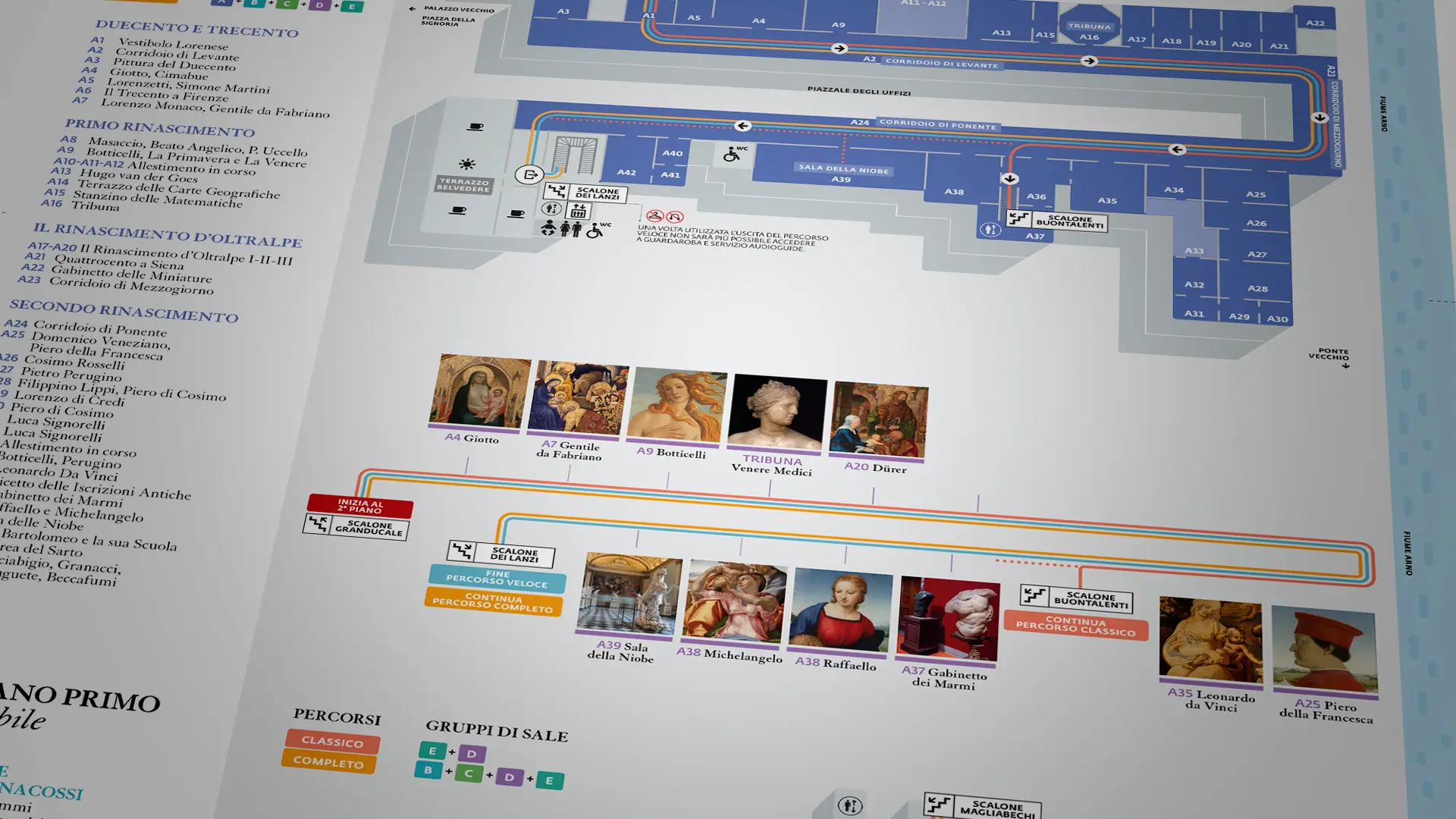
How to Visit Major Museums During High-Demand Periods Without Wasting the Day
A practical strategy for planning museum visits during peak weeks: ticket timing, route design, queue risk, and contingency planning that protects viewing time.
Museum Entry Policy Under Pressure: A Practical Framework for Directors, Boards, and Policy Teams
Ten concrete steps for designing entry rules that protect public legitimacy while improving financial resilience.
Collector Playbook: How to Read a Museum Loan as a Market Signal
Museum loans are often read as prestige, but serious collectors should evaluate legal terms, institutional context, and narrative positioning before treating any loan as a quality signal.

Restitution Risk Playbook: How Collectors and Curators Should Vet Cultural Property in 2026
A practical due diligence framework for acquisitions teams, private collectors, and museum staff handling high-risk provenance categories.

A Curator’s Playbook for Commissioning Art in High-Traffic Public Venues
How to commission serious contemporary art for arenas, transit-adjacent plazas, and other high-volume sites without collapsing into spectacle.
A Collector’s Guide to Reading Museum Governance Risk Before It Hits the Headlines
A practical playbook for collectors and curators to evaluate governance stress signals at museums before programming, loan policy, or institutional stability breaks down.
Guide: How Collectors and Museums Should Underwrite Repatriation Risk Before Acquisition
A practical due-diligence framework for identifying and pricing restitution exposure in manuscripts, antiquities, and cross-border cultural property.
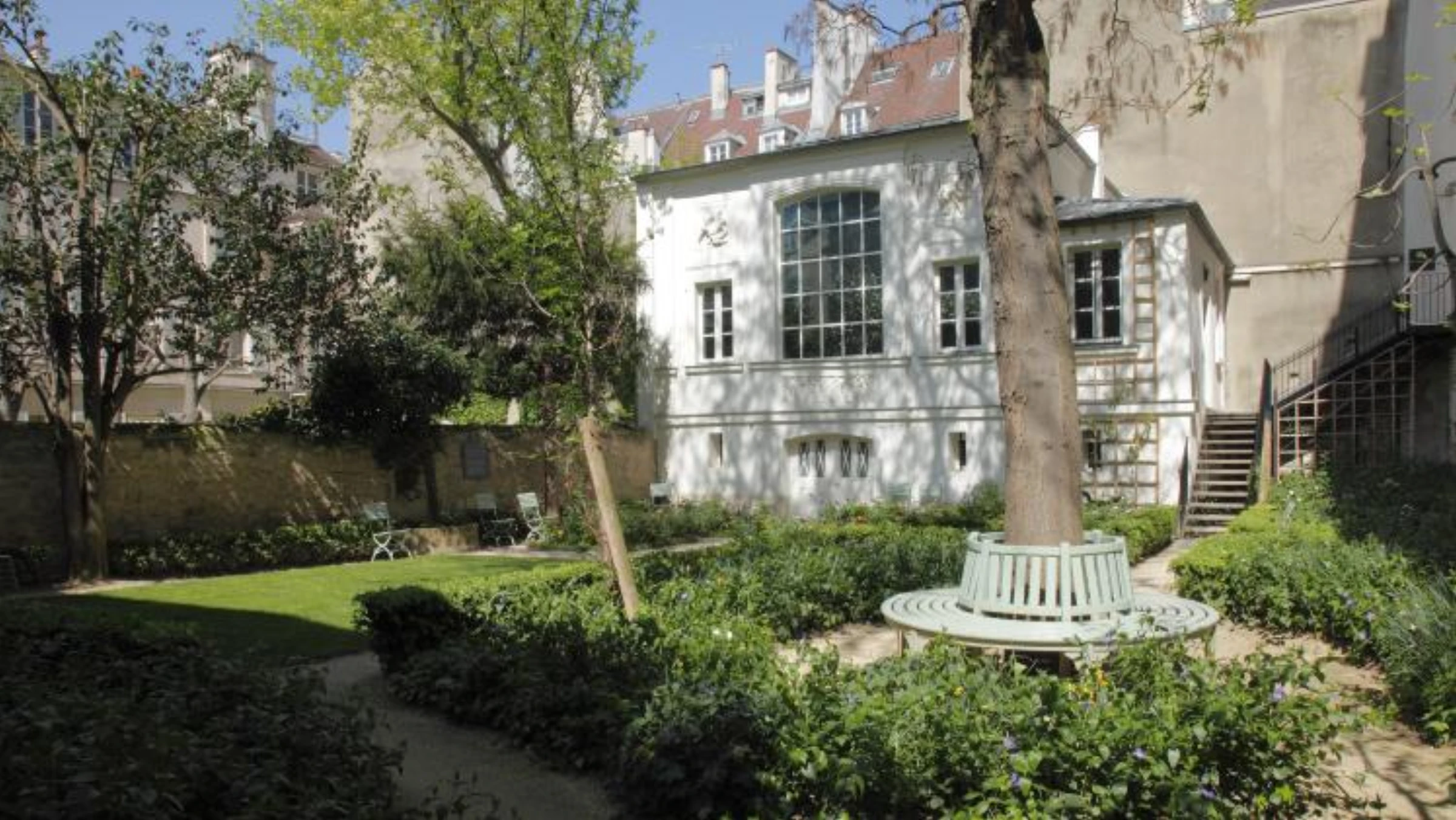
How to Audit Museum Crisis Coverage Before You Trust the Narrative
A practical method for collectors, curators, and advisors to separate structural institutional risk from headline noise when a museum enters crisis mode.

Collector Playbook: How to Evaluate Works on Paper Before an Auction Bid
A practical framework for collectors and advisors to assess attribution, condition, provenance, and execution risk when bidding on drawings and works on paper.

Guide: How Collectors and Trustees Should Read Visitor Metrics in Museum Funding Reforms
A practical framework for evaluating museum performance when state and philanthropic funding systems increasingly tie grants to attendance and measurable outputs.

A 2026 Playbook for Building Museum Membership Programs That Survive Regulatory and Economic Shocks
How museums and heritage organizations can redesign membership architecture for legal resilience, donor trust, and predictable operating revenue.
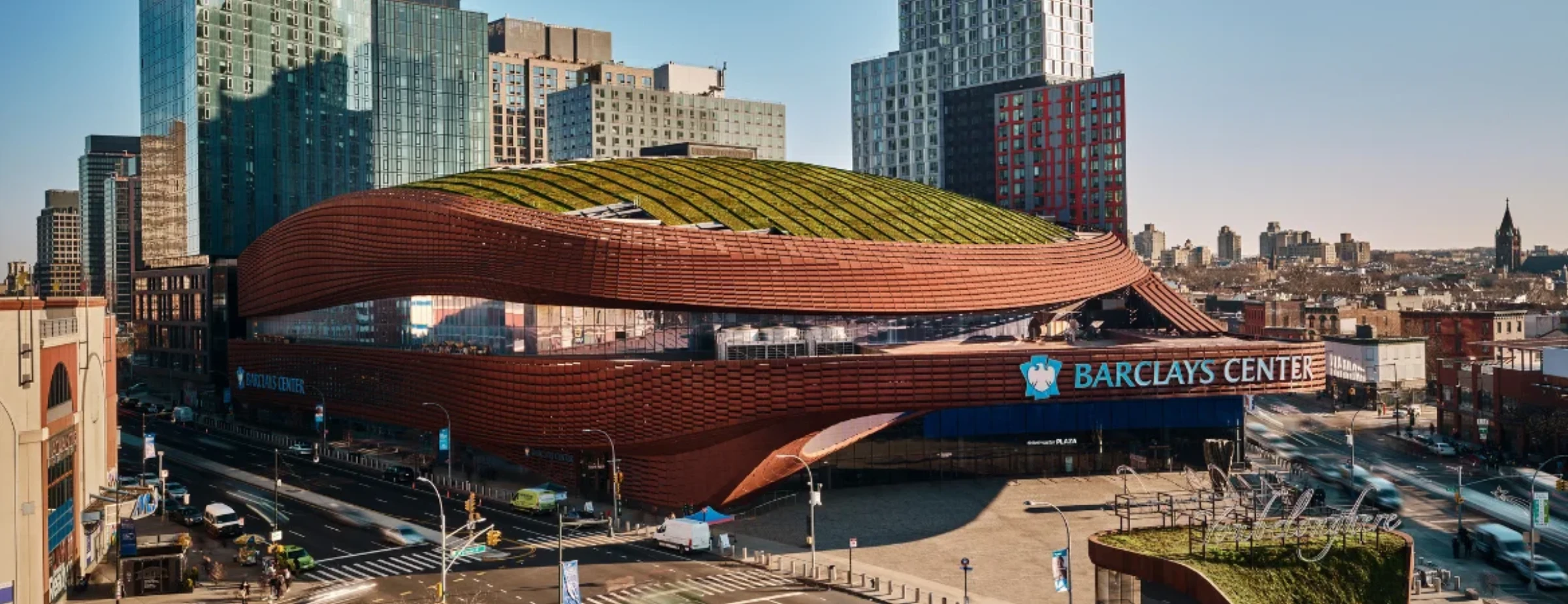
How Collectors and Curators Should Evaluate Arena-Scale Public Art Commissions
As sports and music venues expand art programming, collectors and curators need a rigorous framework for assessing whether these commissions produce cultural value or only deliver architectural branding.
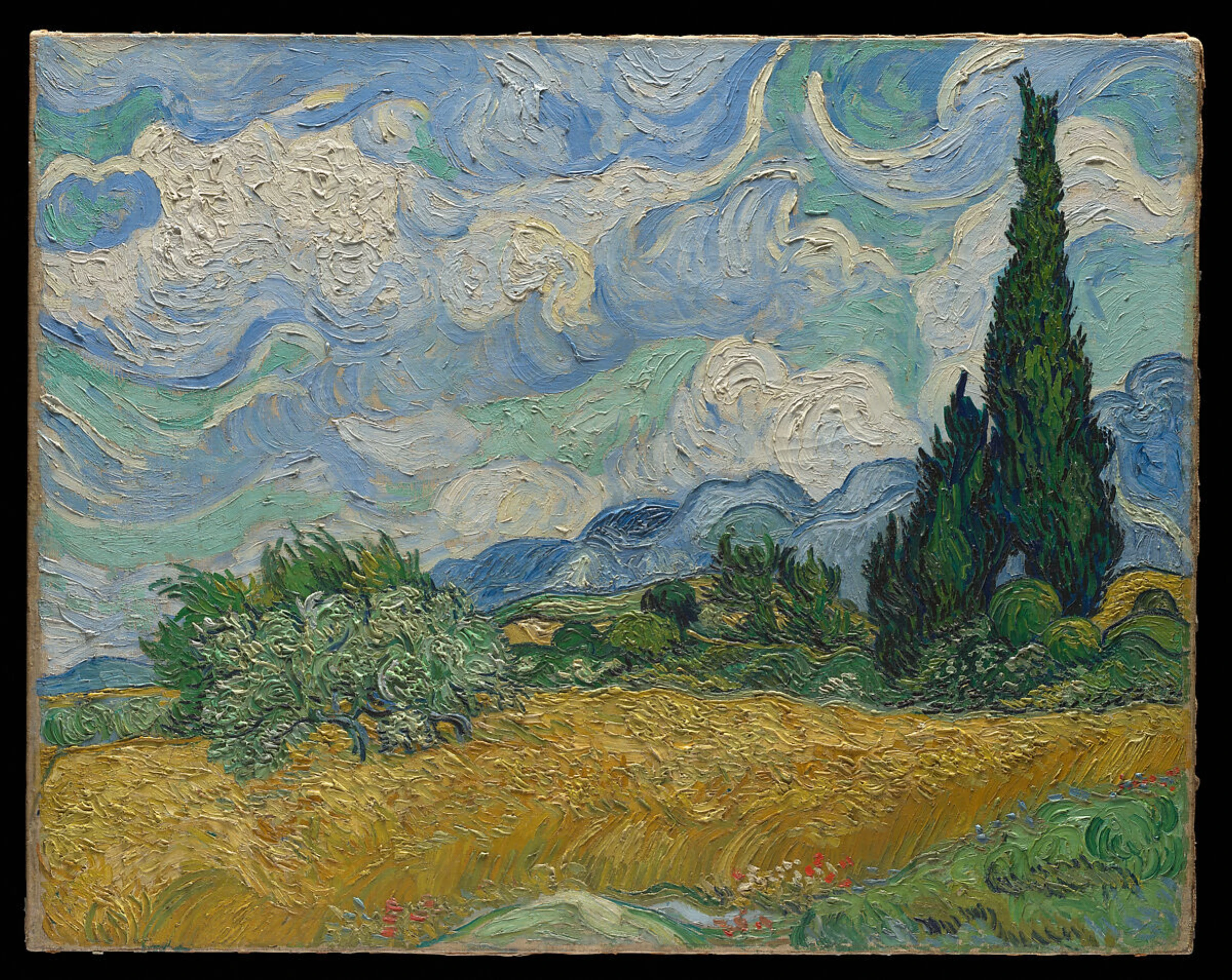
How to Read Museum Attendance Data Like a Curator, Not a Headline
A practical framework for collectors, curators, and advisors to evaluate museum visitor figures as signals of institutional strategy, cultural power, and future program capacity.
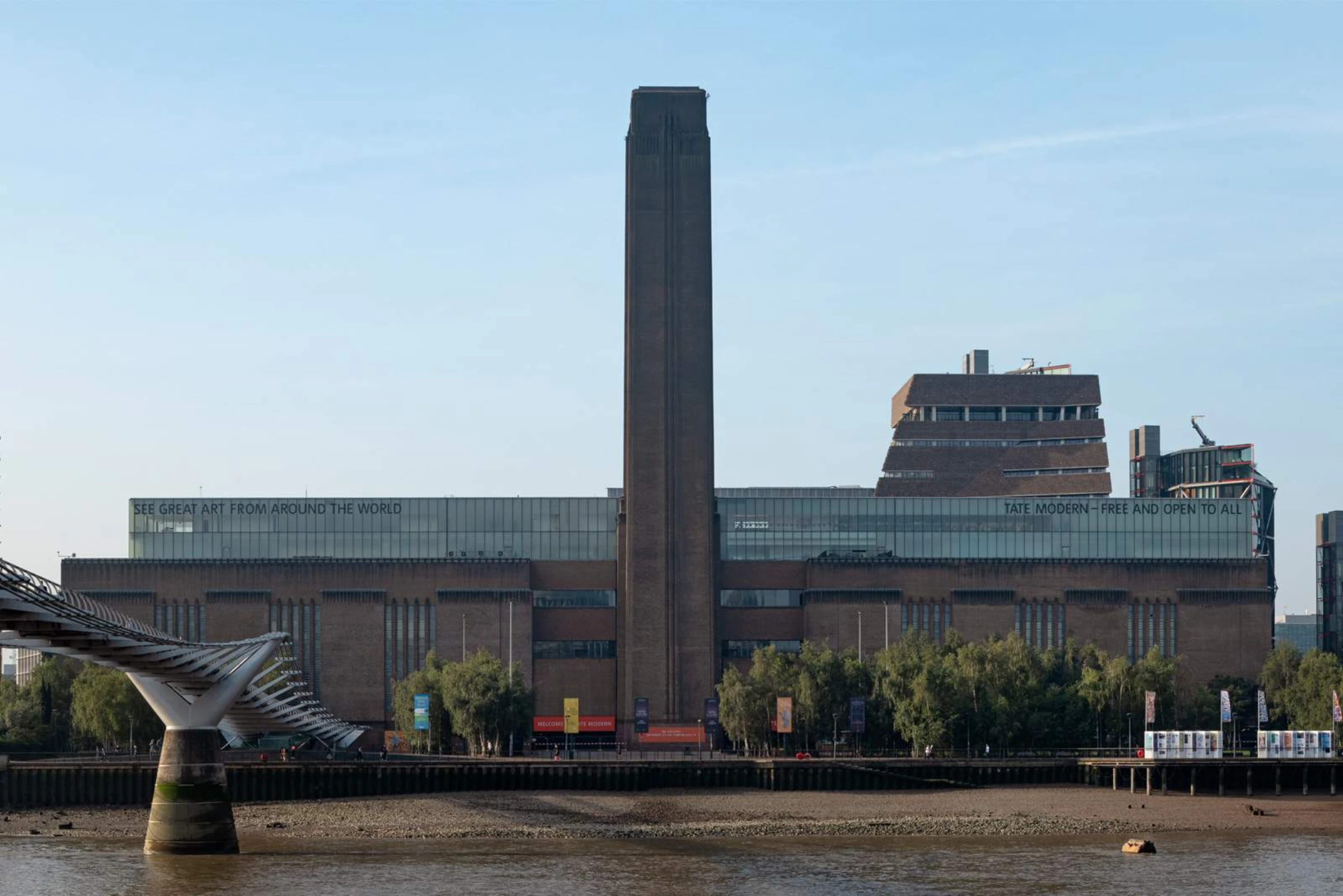
How Collectors and Curators Should Read Museum Attendance Rankings in 2026
A practical framework for separating signal from noise in museum visitor data, and using attendance trends to make better loan, acquisition, and partnership decisions.

How to Vet Provenance Risk Before You Bid: A 2026 Collector Playbook
A practical workflow for collectors and advisors to evaluate ownership history, legal exposure, and reputational risk before bidding on postwar and modern works.
Guide: Risk Governance for Collectors in a Volatile Policy Cycle
A practical operating system for collectors and family offices managing legal, provenance, loan, and reputation risk across jurisdictions.
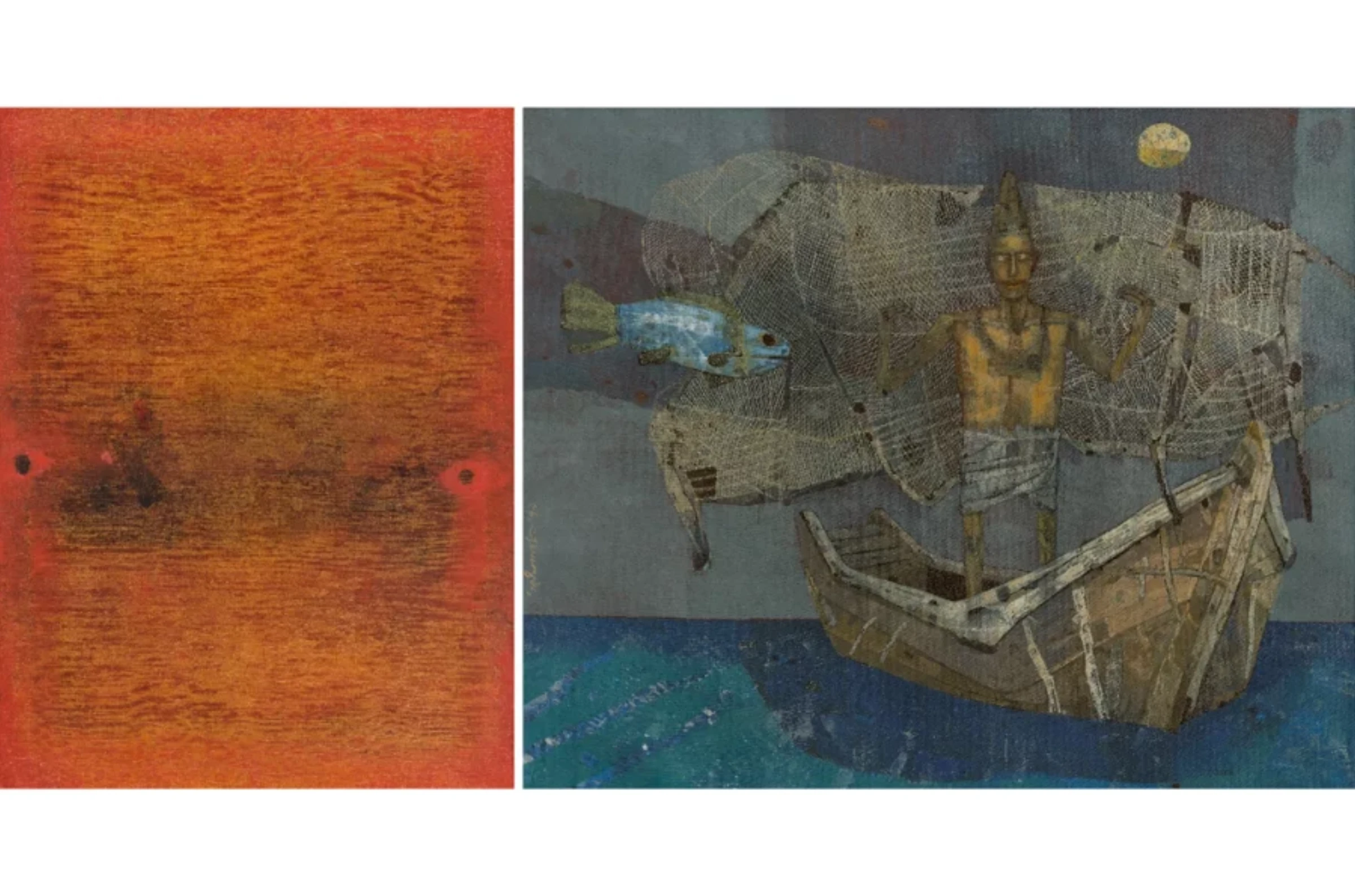
Collector Playbook 2026: How to Bid South Asian Modern Art Without Overpaying
A practical framework for collectors and advisors navigating the 2026 South Asian Modern auction cycle, from pre-sale research and valuation discipline to execution and post-sale governance.

Guide: How Collectors and Institutions Should Structure Cross-Border Art Loans Without Triggering Legal or Reputational Blowback
A practical framework for planning international loans of high-value works, with emphasis on heritage-law compliance, permit design, transport risk, and public communication discipline.
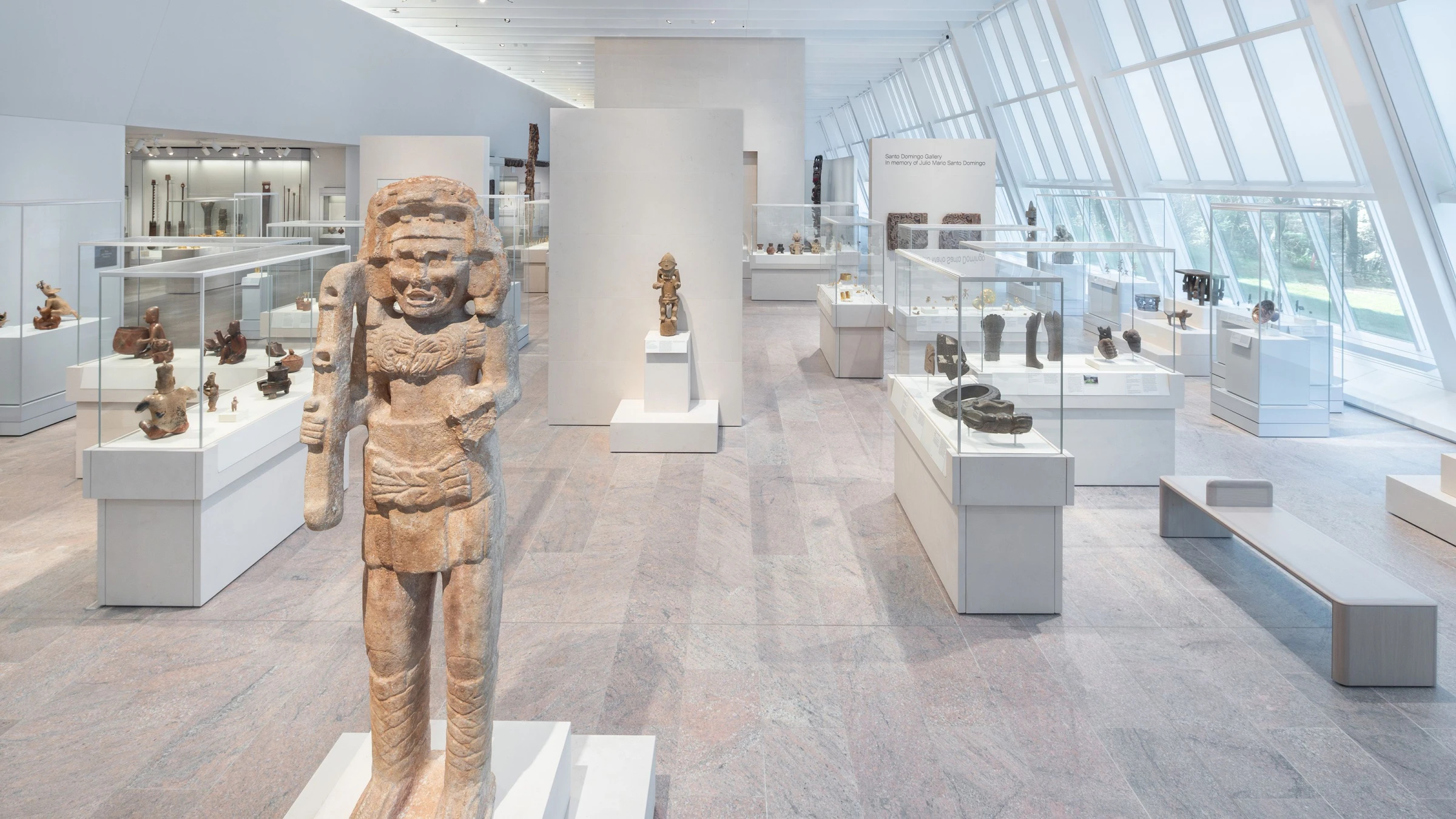
A Collector’s Playbook for Cross-Border Museum Loans in a High-Scrutiny Era
A practical framework for collectors and estates to structure international loans that satisfy museums, insurers, regulators, and public trust before works leave the country.
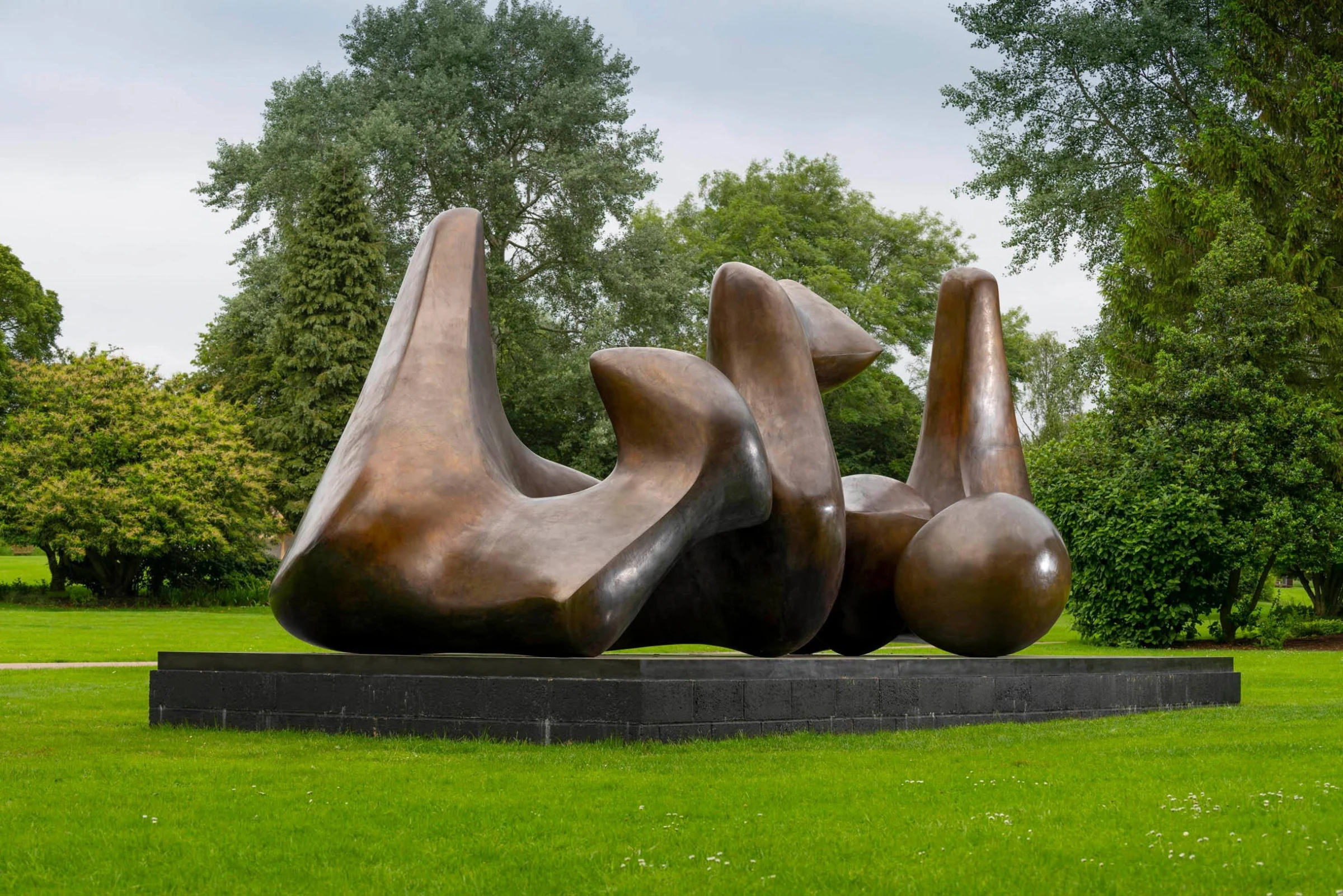
Collector Playbook: How to Commission Monumental Sculpture Without Getting Trapped by Logistics, Ego, or Weak Contracts
A practical framework for collectors and institutions commissioning large-scale sculpture, covering artist fit, fabrication risk, permitting, conservation, and contract terms that protect both artistic intent and operational reality.
How Collectors Should Read Auction Signals in 2026: A Practical Risk Playbook
A field guide for collectors and advisors on separating durable market signals from noise, with a focus on liquidity, attribution risk, guarantees, and institutional validation.
Playbook: How Curators and Institutions Should Respond to Unscheduled Monument-Site Art Interventions
A practical response framework for museums, civic agencies, and cultural organizers managing politically charged temporary artworks that appear in federal memorial zones.
HEAR Act 2025: A Practical Claims-Risk Playbook for Museums, Collectors, and Art Lawyers
A working guide for institutions and private owners navigating Nazi-era restitution exposure as U.S. law narrows procedural defenses and pushes disputes toward merits-based outcomes.
Collector Playbook: How to Buy Well in a Rebounding but Uneven Hong Kong Market
A practical framework for collectors and curators navigating Hong Kong's revived marquee week, with specific steps for due diligence, pricing discipline, and post-sale risk management.

Collector and Curator Playbook for Leadership Shocks at Major Art Institutions
A practical framework for navigating sudden executive changes at auction houses, museums, and private collections without overreacting or missing governance risk.
Collector and Curator Playbook: How to Evaluate Artist-Led Regional Arts Centres Before You Back Them
A practical framework for deciding whether a regional arts centre has the governance, programming, and financial structure to deliver long-term cultural value.

A Collector's Field Guide to Buying Prints and Drawings During Fair Week
A practical framework for collectors and curators to evaluate quality, edition structure, condition, and pricing discipline when buying works on paper during high-pressure fair cycles.
Collector Playbook: A Practical Provenance and Title-Risk Checklist Before You Buy
A step-by-step due diligence framework for collectors and advisors to evaluate provenance quality, legal exposure, and resale resilience before acquisition.
A Collector and Curator Playbook for Anonymous-Artist Risk in 2026
A practical framework for evaluating provenance, legal exposure, media volatility, and institutional fit when collecting or exhibiting works by anonymous artists.

How to Buy Contemporary Photography Without Overpaying: A Practical Guide for Collectors
A practical framework for evaluating editions, print chronology, condition, provenance, and pricing when collecting contemporary photography.

How to Assess Political Risk in Biennial Programming: A Practical Playbook for Curators and Collectors
A step-by-step framework for evaluating political, funding, and reputational risk around national participation in major biennials.
How to Buy Art Across Borders Without Getting Burned: A Collector’s Due Diligence Playbook
A practical step-by-step framework for collectors and advisors acquiring artworks internationally, from provenance and condition checks to shipping, tax, and legal risk management.
How Collectors and Curators Should Audit Governance Risk Before Lending to Private Museums
A practical playbook for lenders and curators to evaluate leadership stability, legal exposure, and operational reliability before committing works to privately controlled museum platforms.
Collector Playbook: How to Buy Mid-Market Fairs Without Losing Price Discipline
A tactical framework for collectors navigating regional fairs where access is high, pricing is fluid, and diligence is often skipped.
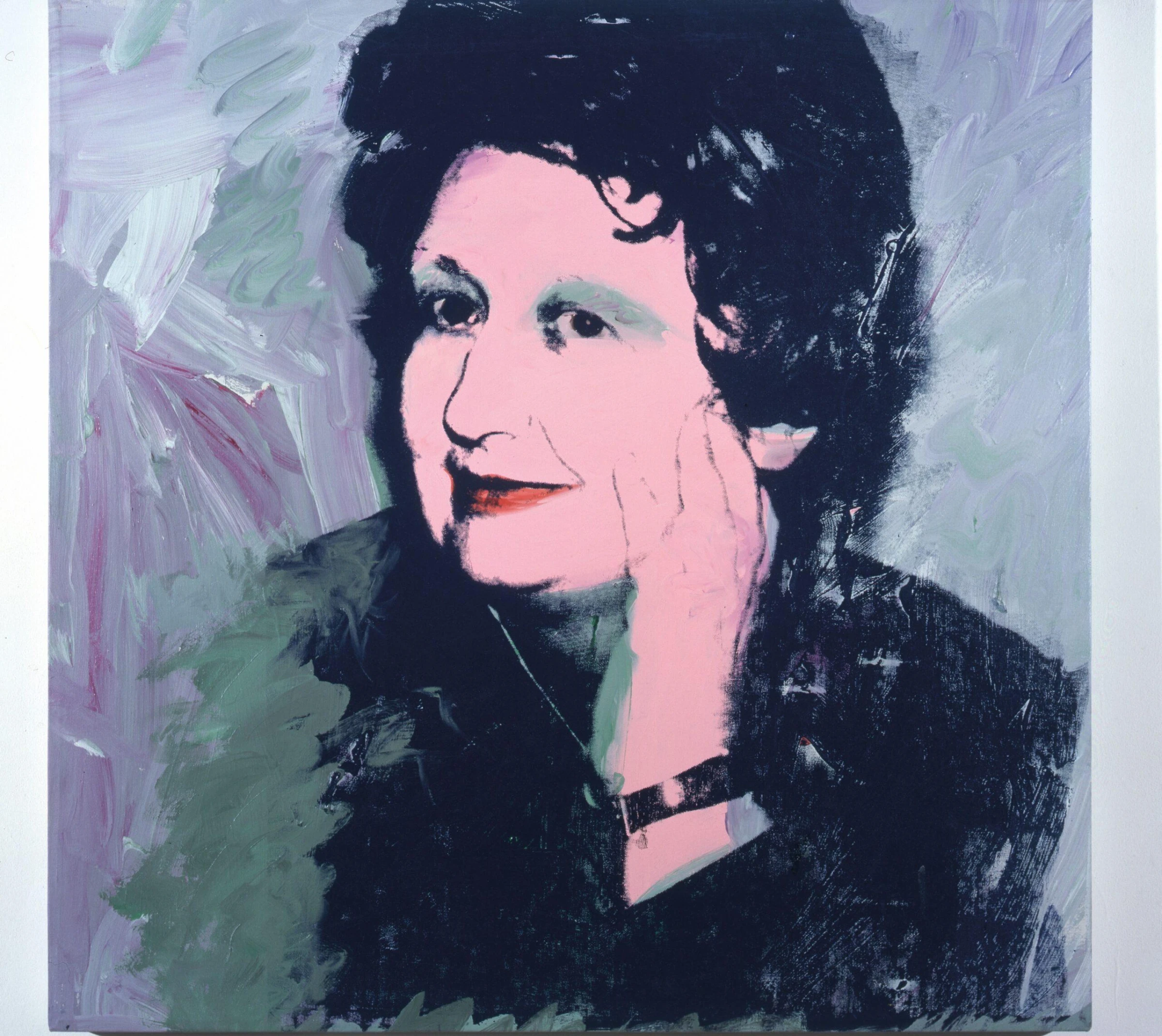
How to Evaluate Governance Risk in Private Collection Museums
A practical framework for collectors and curators assessing whether private-collection institutions can sustain public trust through leadership change.

Collector Playbook: How to Underwrite Geopolitical Risk Before Buying Into Institutional Cycles
A practical framework for collectors and advisors to evaluate political exposure, governance risk, and reputational downside before committing capital during volatile institutional seasons.

How to Read Institutional Power Signals in the Art World, A Practical 8-Step Framework
A practical framework for collectors and curators to evaluate leadership exits, legal disputes, and high-visibility acquisitions without getting trapped in headline noise.
How to Read It When Art Institutions Frame Conflict as Programming
A guide for collectors and curators on how to tell the difference between serious institutional courage and reputational stagecraft when museums, biennials, and kunsthalles present politically charged work.

How to Read Patronage and Preservation Signals in Art World Announcements
A practical guide for collectors and curators on how to interpret museum restorations, permanent installations, and public commissions without mistaking press language for institutional reality.
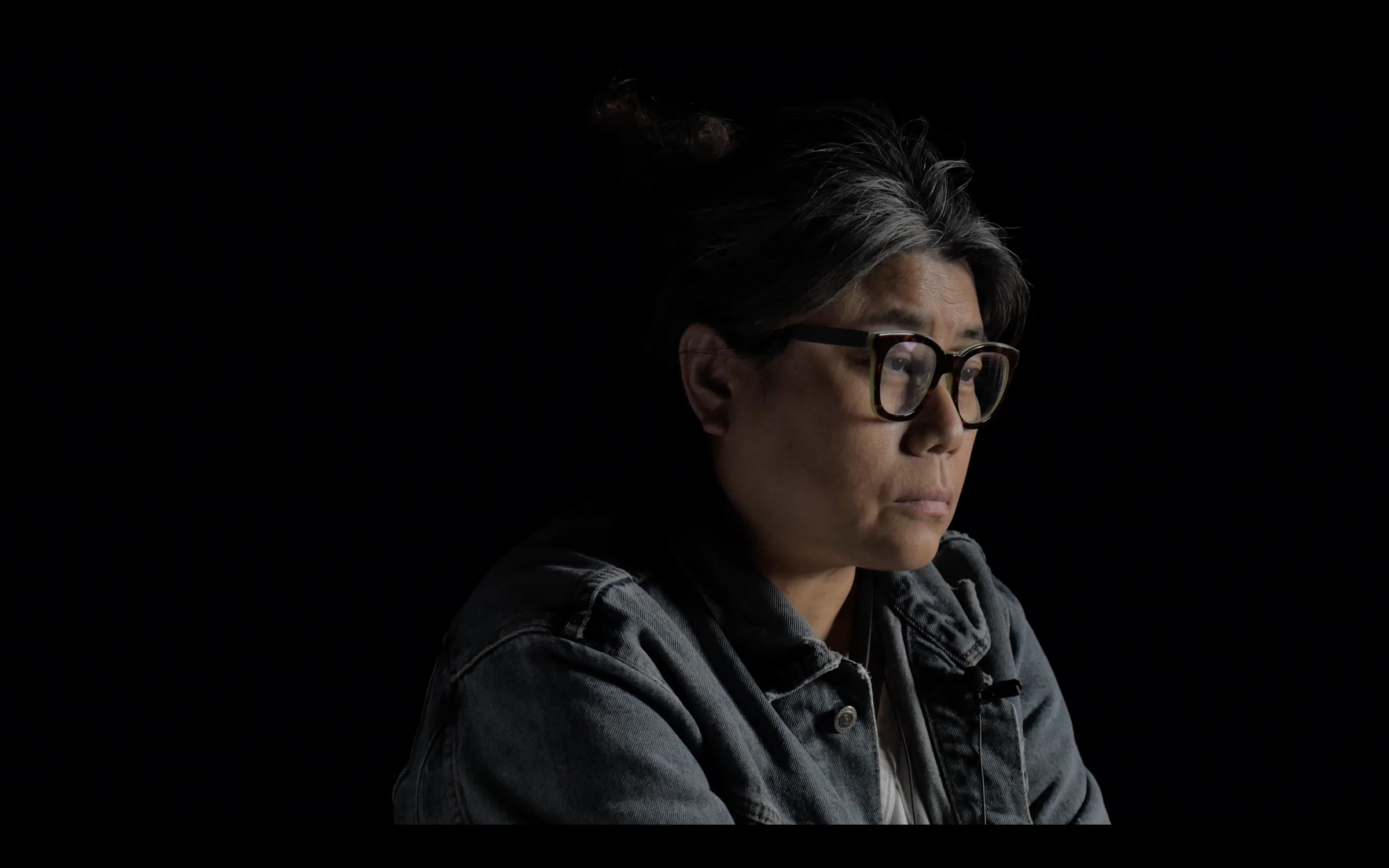
How Collectors and Curators Should Read Institutional Headlines Right Now
A practical guide to telling the difference between a strategic reset, a market signal, and a deeper structural warning when museums, fairs, and galleries make major announcements.
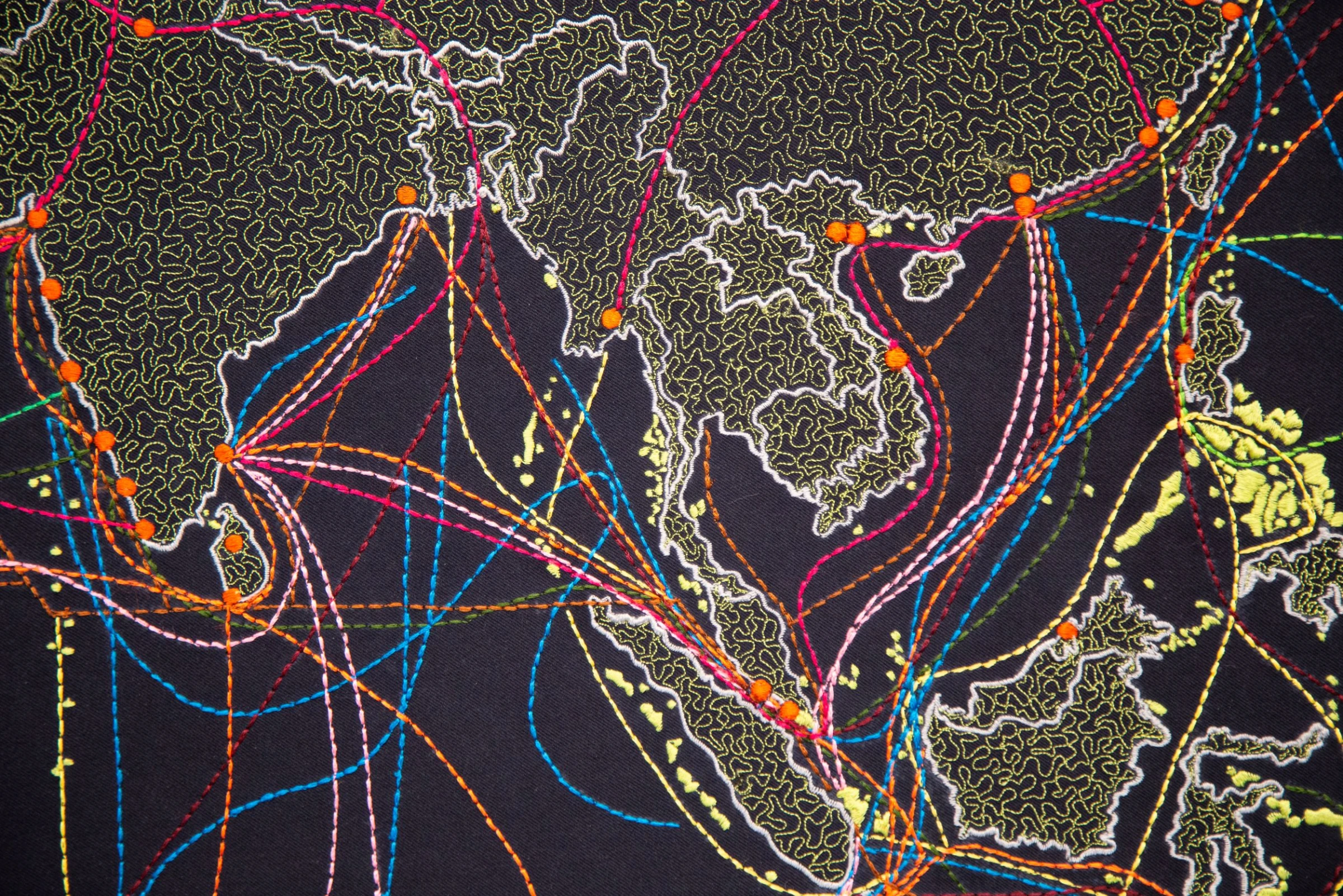
Collector Due Diligence Playbook 2026: How to Buy at Pace Without Buying Blind
A practical framework for collectors and curatorial buyers who need stronger diligence, cleaner provenance, and better negotiation outcomes in a slower market.

How to Plan a Serious Q2 Museum Program Without Chasing Noise
A practical playbook for curators and collectors building a spring museum schedule that tracks real institutional shifts, not social media momentum.

Guide: How Collectors and Curators Should Diligence a Biennial Trip Before Booking
A practical framework for deciding whether a major fair or biennial is worth the travel budget, acquisition time, and institutional attention in 2026.

How to Underwrite Art With Institutional Discipline in 2026
A practical playbook for collectors and curators to evaluate artists, venues, and market signals with museum-level rigor instead of fair-week noise.

Collector Playbook: How to Evaluate Museum Capital Projects Before You Commit
A practical framework for collectors and patron circles to evaluate whether museum expansions and building campaigns are mission-aligned, financially resilient, and curatorially coherent.

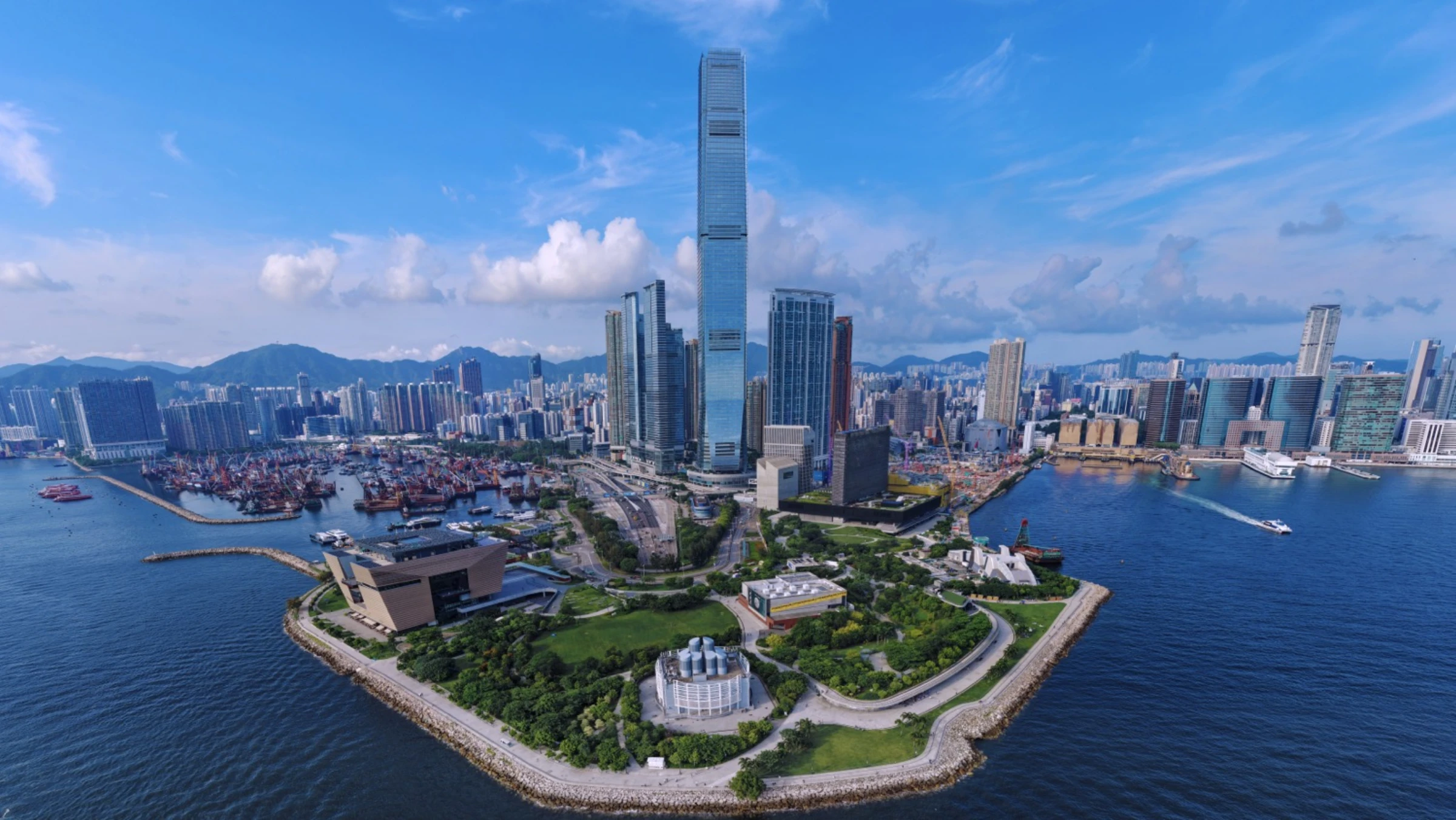
Art Basel Hong Kong 2026: A Collector Field Guide for Buying With Discipline
A practical playbook for collectors and advisors navigating Art Basel Hong Kong 2026, from pre-fair targeting and institutional signal checks to negotiation, logistics, and post-fair risk control.
A Curator’s Playbook for International Institutional Partnerships in 2026
As cultural districts and museums sign global cooperation agreements at speed, this guide outlines how to structure partnerships that produce real programs, not symbolic paperwork.

A Practical 2026 Playbook for Lower-Impact Art Collecting
How collectors and advisors can reduce emissions and material waste across shipping, travel, storage, and display without lowering standards.

A Practical Restitution and Provenance Playbook for Collectors, Curators, and Trustees in 2026
A step-by-step framework for conducting provenance due diligence, handling contested ownership claims, and structuring responsible restitution and long-term collaboration.

The 2026 Hong Kong Art Week Playbook for Collectors and Curators
A field-tested strategy for navigating Hong Kong Art Week with better meetings, stronger due diligence, and fewer expensive mistakes.
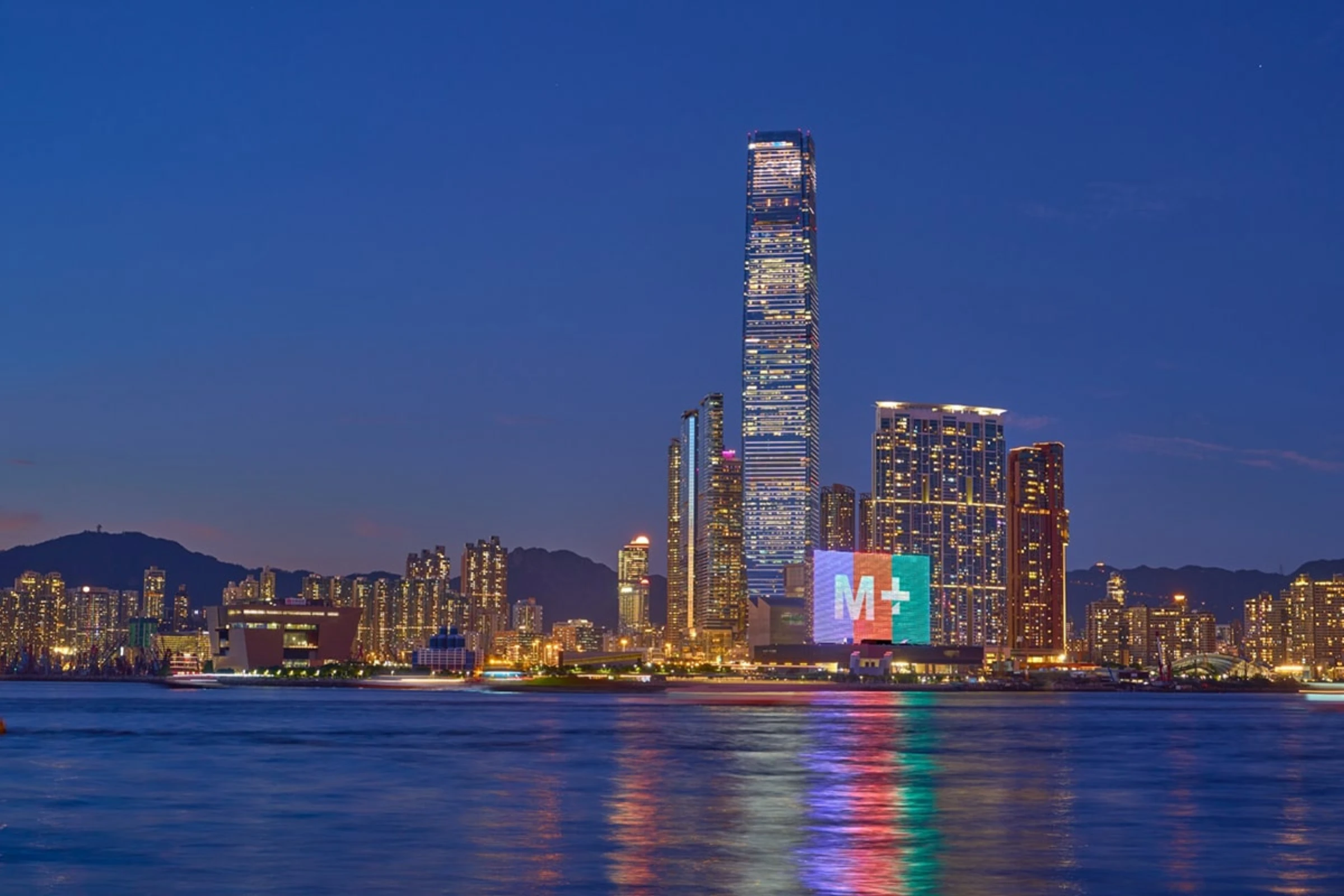
How to Build a Serious Hong Kong Art Week Plan, A Collector and Curator Playbook
A practical framework for navigating fairs, institutional shows, independent spaces, and studio appointments in Hong Kong without defaulting to market noise.
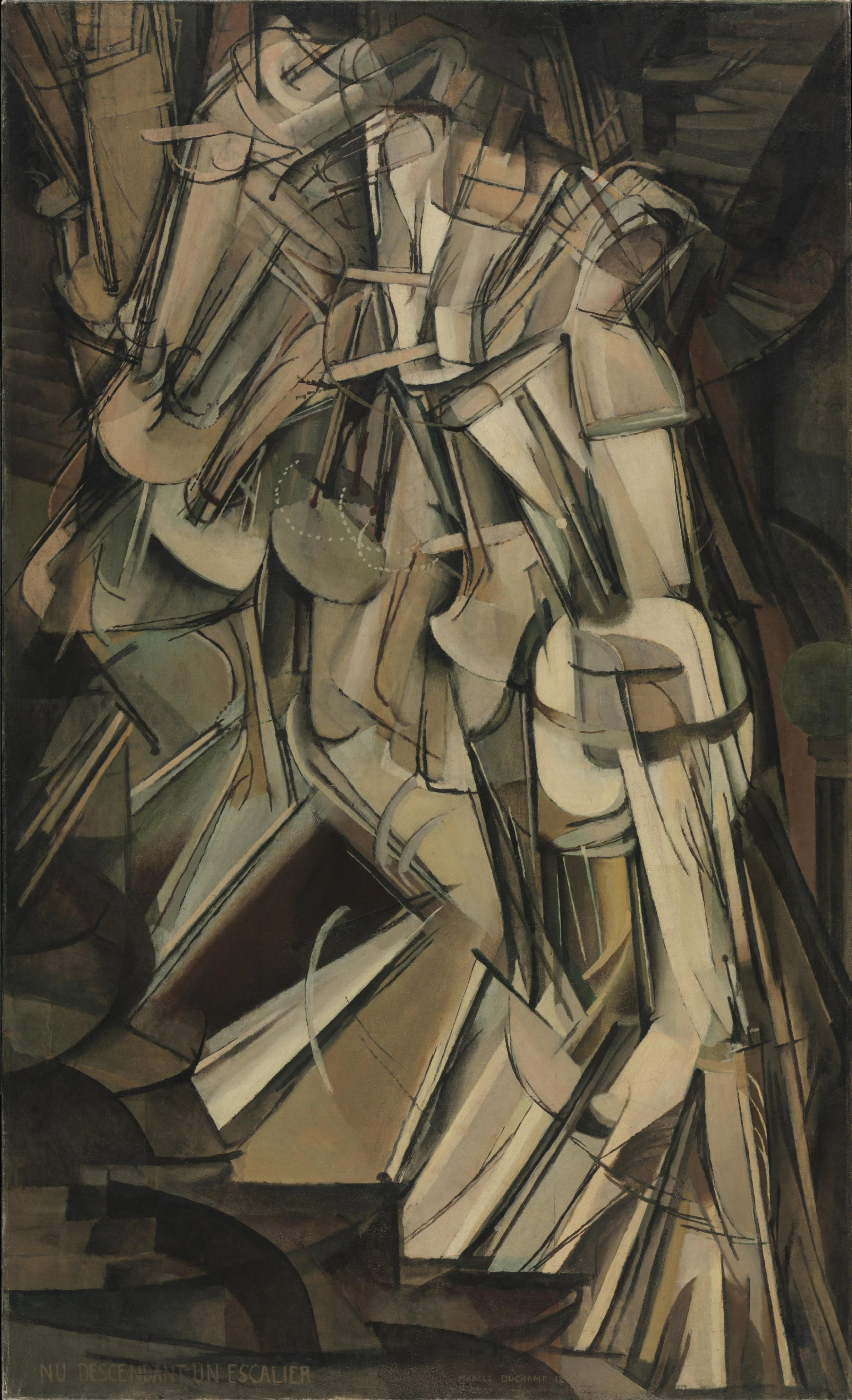
Collector Playbook: How to Read Institutional Context Before You Buy in 2026
A practical framework for collectors and advisors to evaluate institutional signals, curatorial momentum, and archival depth before committing capital.

How to Audit Performance Art Attribution Risk Before You Buy, Commission, or Restage
A practical due-diligence framework for collectors and curators to verify authorship, documentation integrity, and restaging rights in performance-based work before reputational and legal exposure compounds.
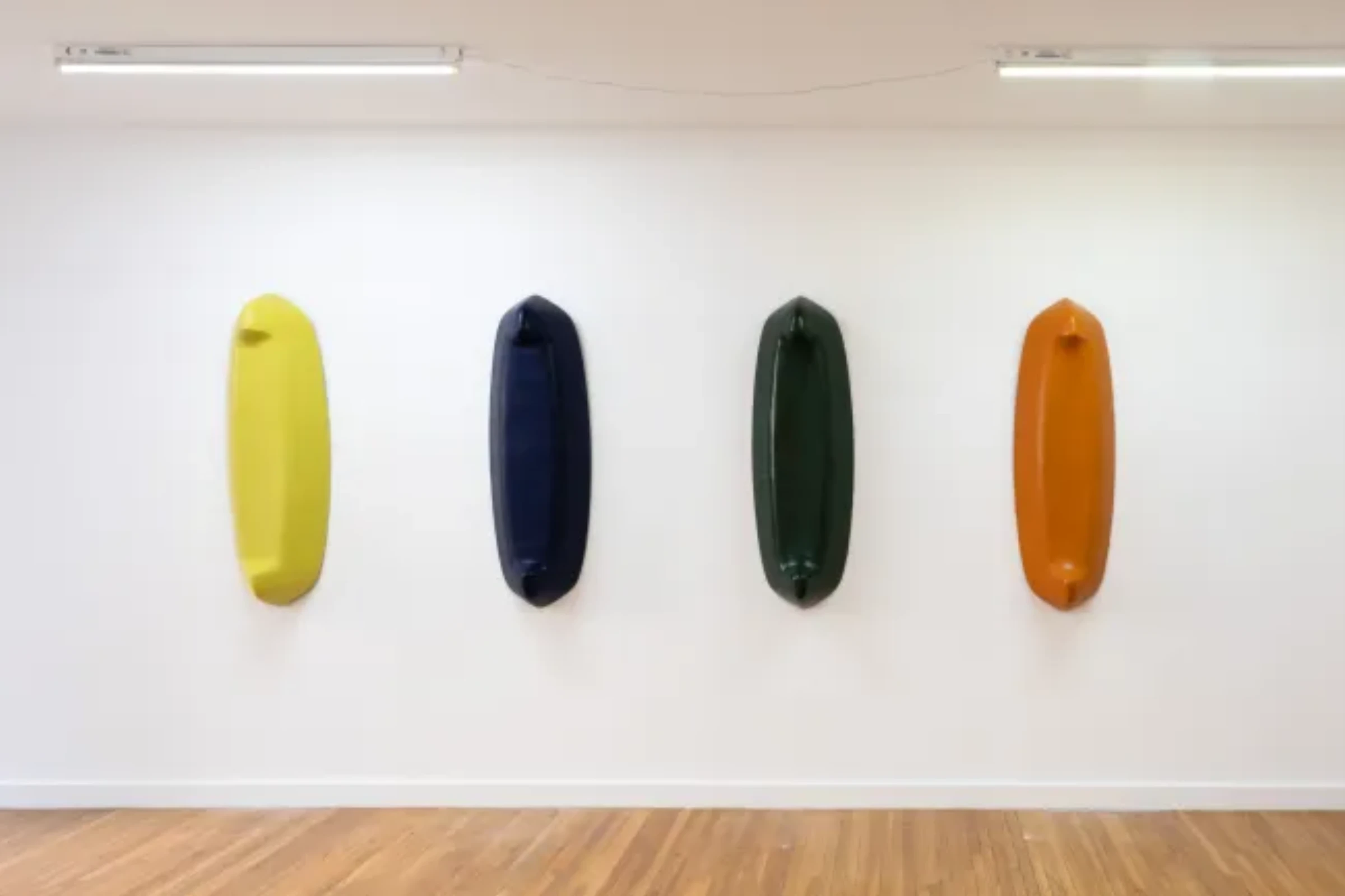
How to Read Artist-Run Distribution Systems in 2026
A practical framework for evaluating artist-run and hybrid distribution channels across physical exhibitions, social platforms, and institutional interfaces.
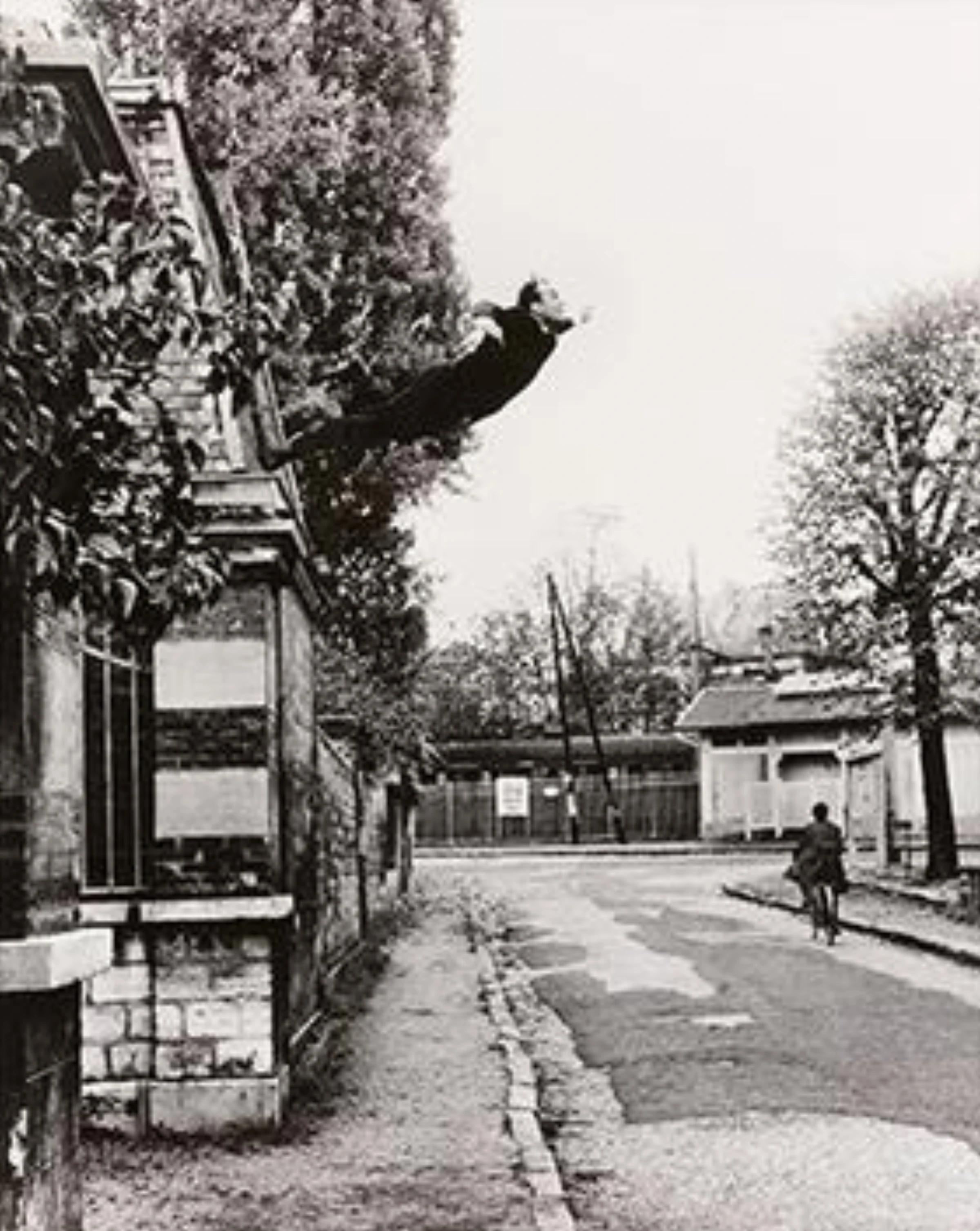
Collector Playbook: How to Underwrite Performance Art Without Buying Attribution Risk
As performance practices circulate at social speed, collectors and curators need tighter diligence protocols to distinguish influence from extraction and secure clean acquisition records.
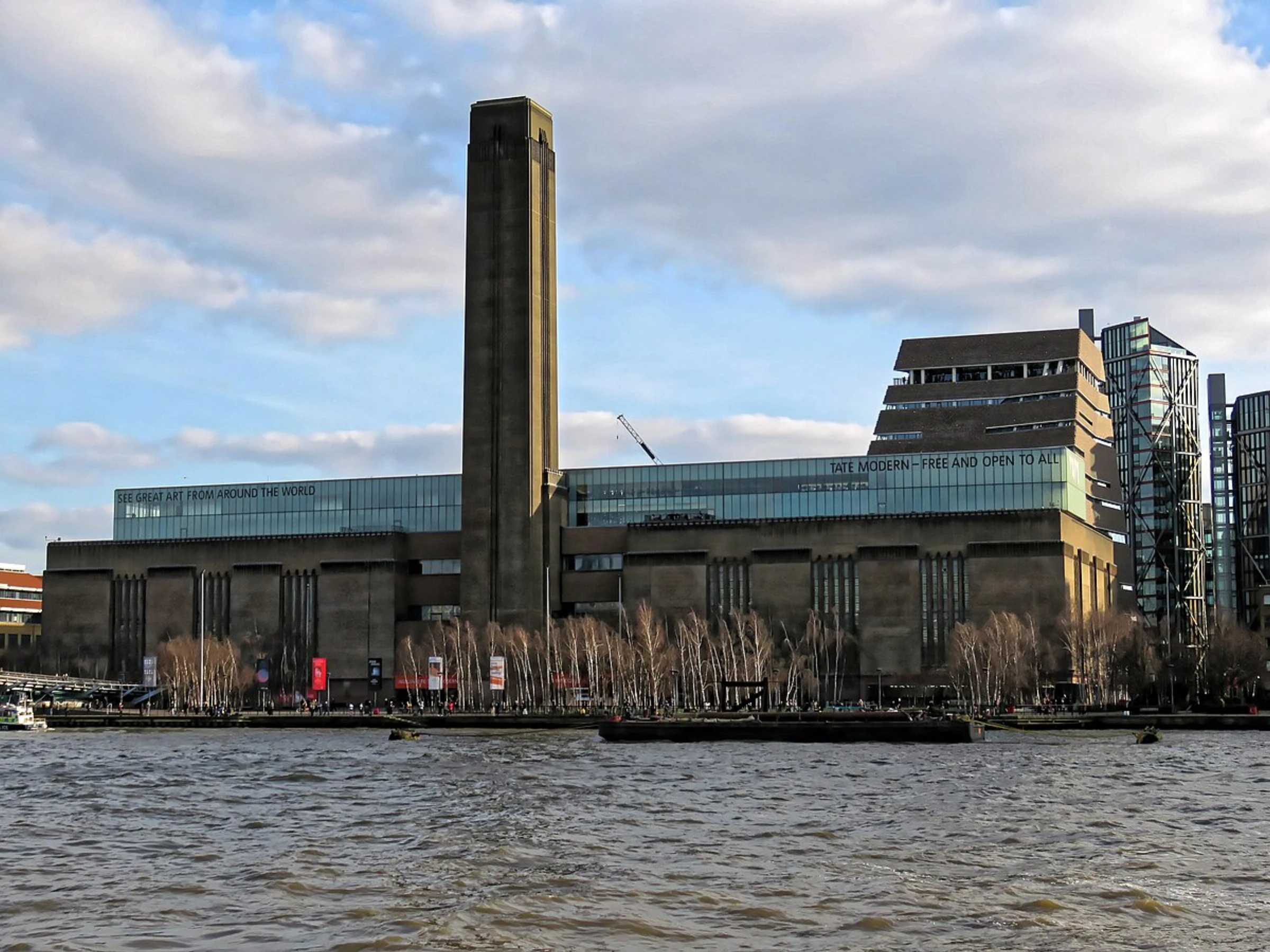
How to Build a Serious Spring Exhibition Calendar in 2026
A practical framework for planning museum and gallery visits that prioritizes artistic substance, institutional context, and documentation quality over hype cycles.

Collector and Curator Playbook: Provenance Due Diligence for African Material in 2026
A practical framework for collectors, curators, and advisors to evaluate ownership history, legal risk, and institutional exposure when handling African works with colonial-era provenance questions.
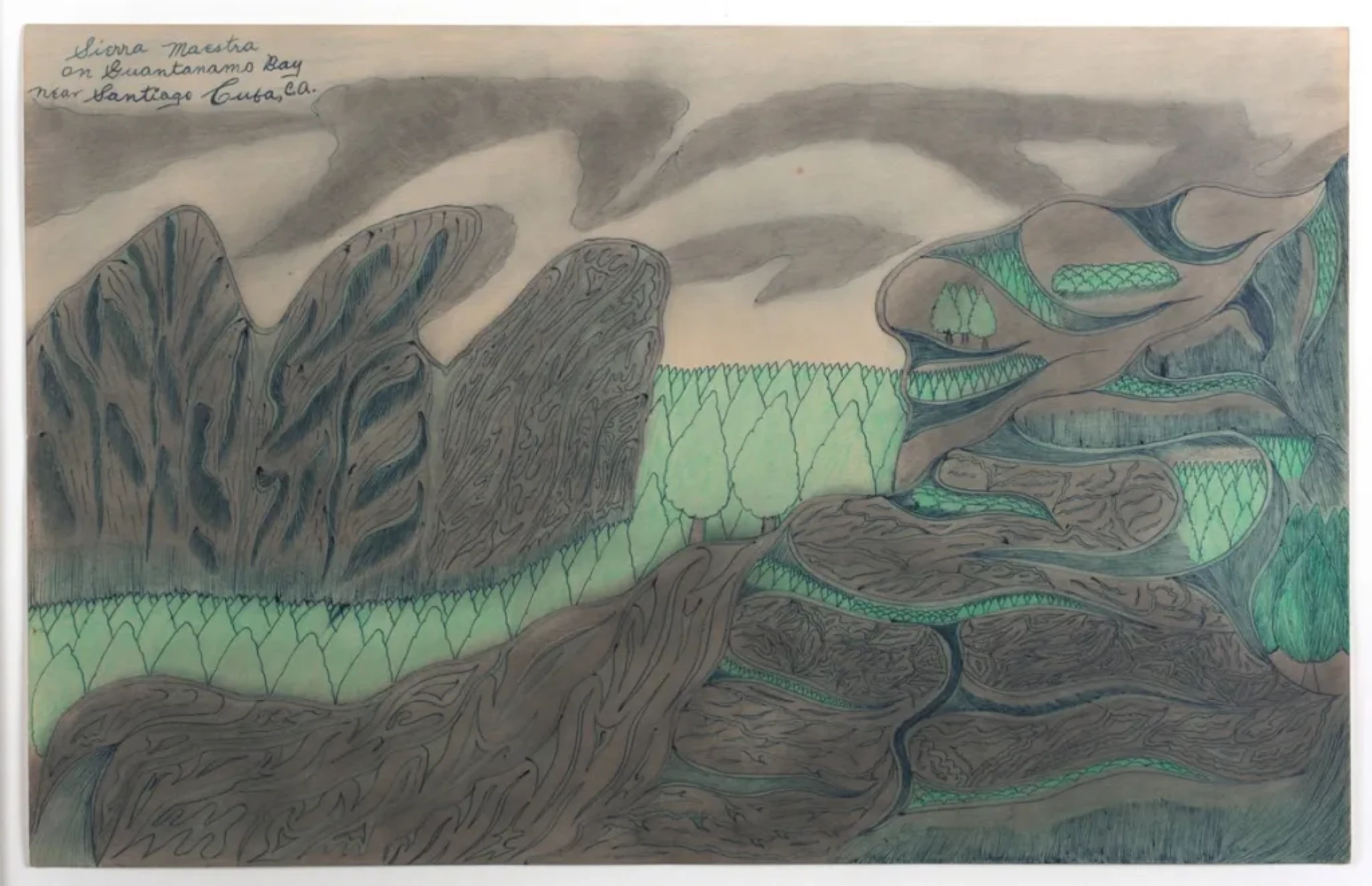
How to Read Outsider Art Fair Booths Without Tokenizing the Work
A practical framework for collectors, curators, and advisors to evaluate self-taught and outsider presentations through context, quality, and institutional trajectory rather than category branding.
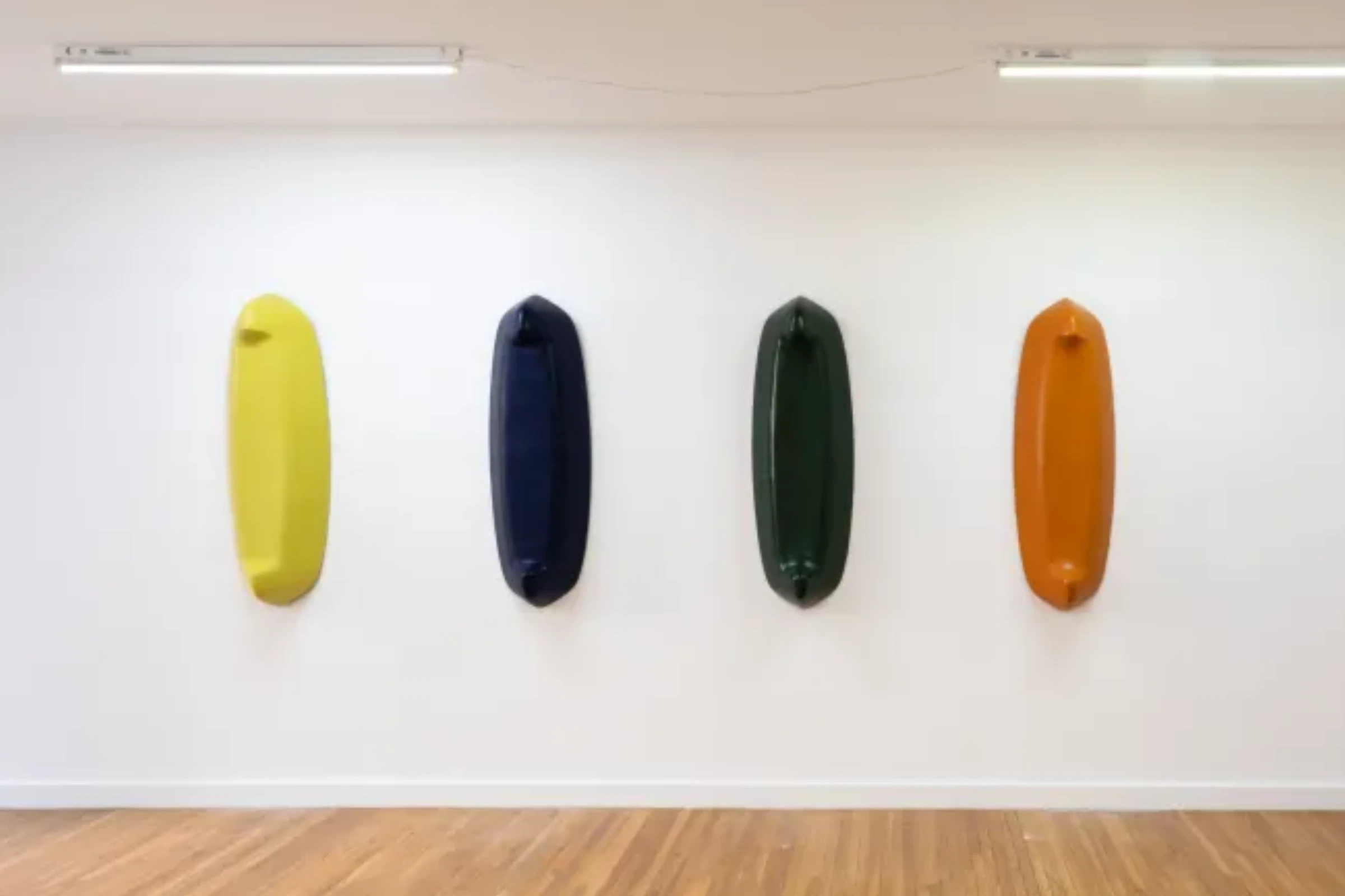
How to Read Museum Expansions: Programming vs Architecture in 2026
A practical guide for reading major museum expansions beyond renderings and opening week hype, with a focus on programming quality, governance, and long term public value.
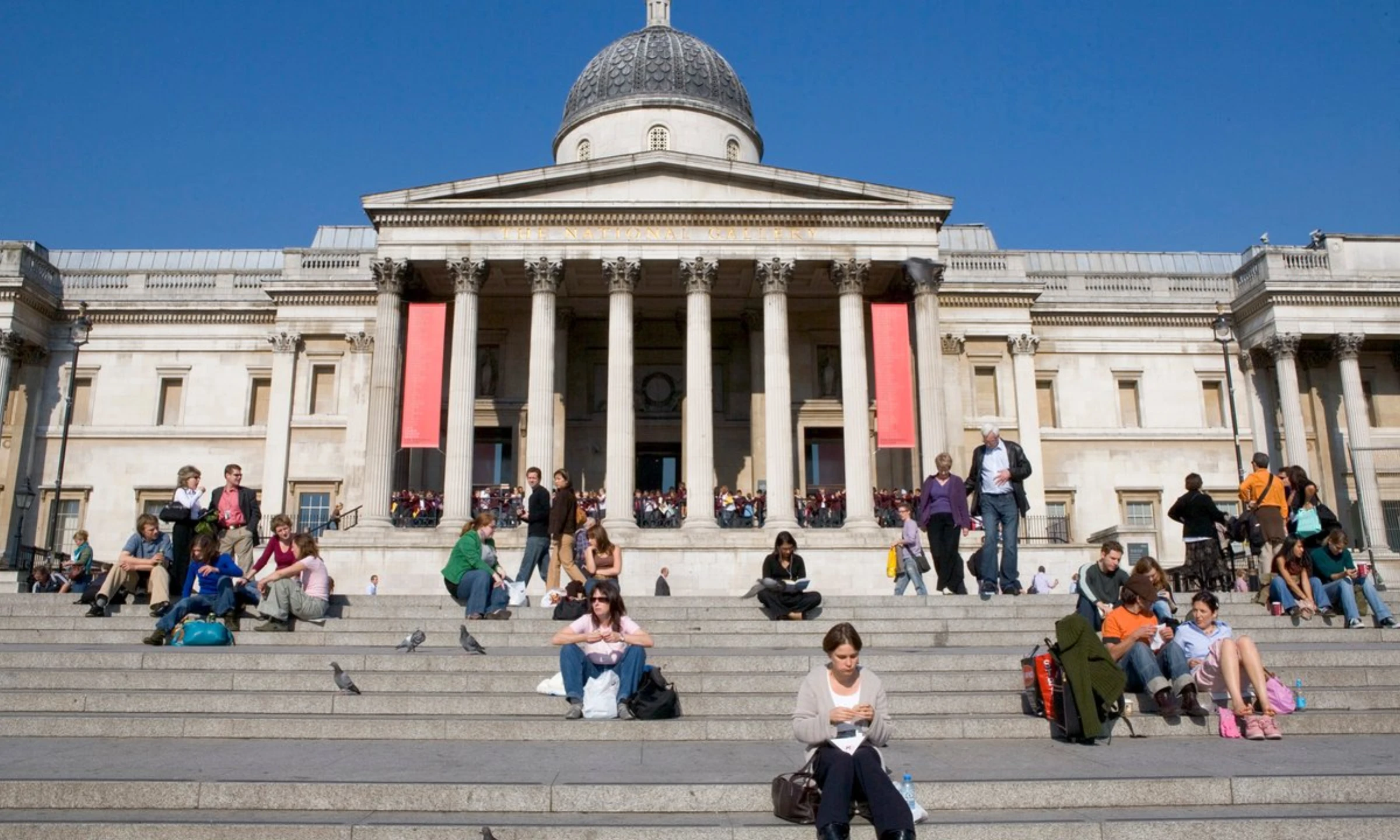
How to Read Museum Attendance After Capital Renovations
A major entrance upgrade or wing reopening can raise visitor counts without fixing structural demand. This guide shows how to separate short term rebound from durable audience recovery.

How to Read Art Fair Risk Signals During Regional Conflict
When a major fair is postponed or reformatted, the strongest signals are hidden in logistics, fee structure, and institution behavior. This guide shows collectors and professionals what to track first.
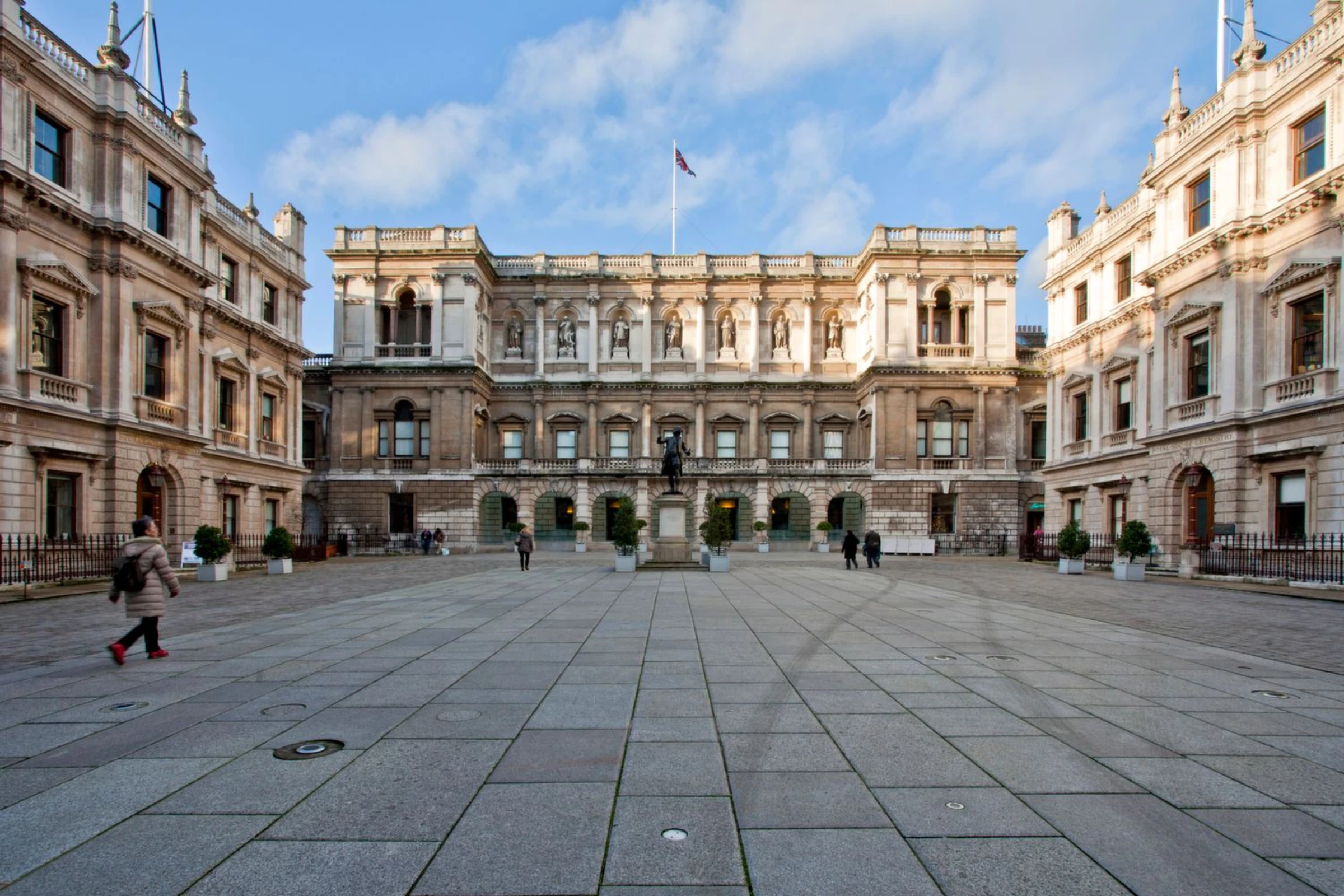
How Museums Are Winning the Free Admission Wars
As the Natural History Museum sets a UK attendance record and other institutions struggle, a clear divide has emerged: free admission and experiential programming are no longer optional - they're survival.
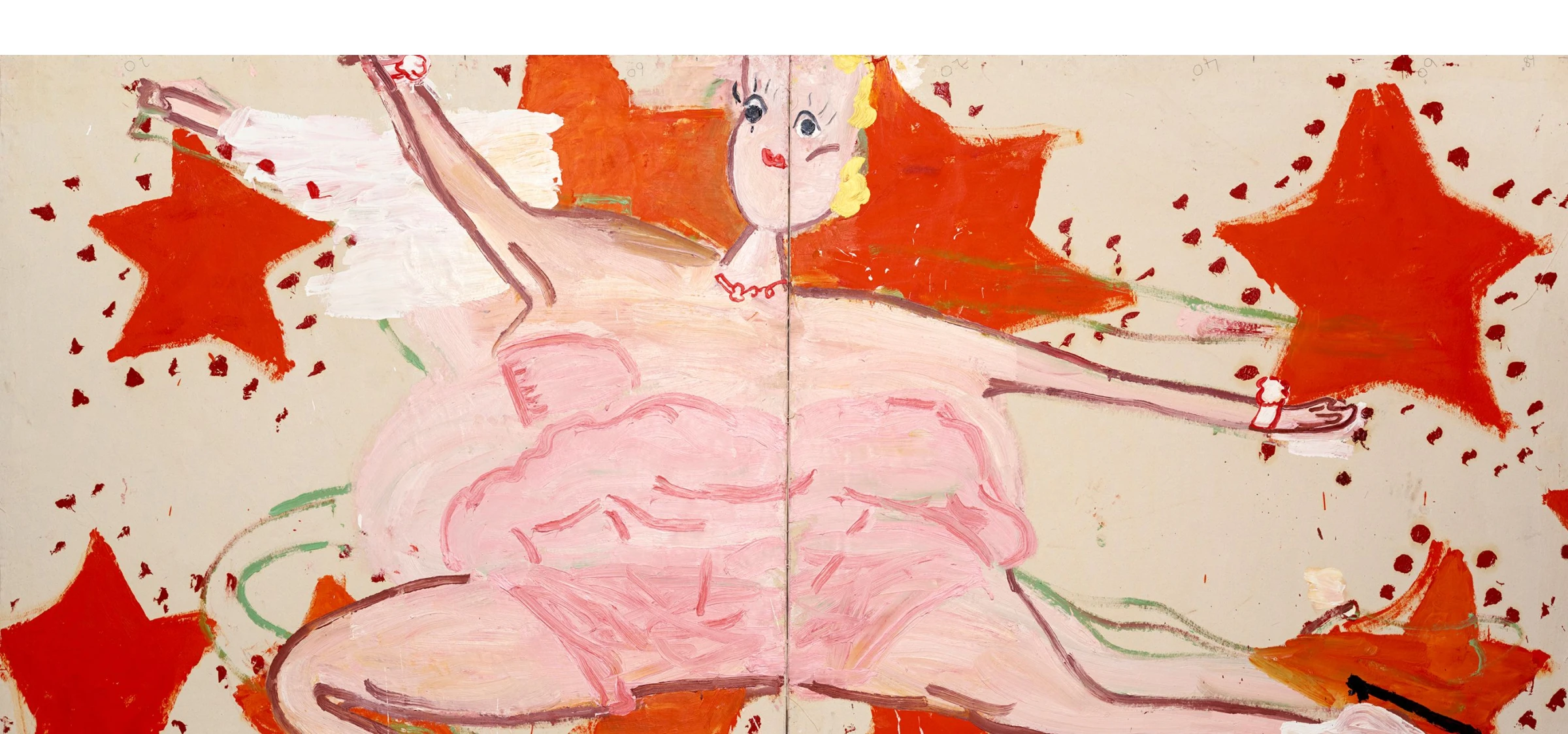
How to Read News of Art Institution Leadership Transitions
Leadership transitions are not just press releases; they are bellwethers of institutional direction, fiscal priorities, and broader art-world trends. This guide explains how to interpret those signals.

Guide: 6 Standout Works to See at TEFAF Maastricht 2026
From a debated Salvator Mundi to museum-grade Old Master rarities, TEFAF's marquee week offers a concentrated read on where connoisseurship and market power are converging.
Guide: How Collectors and Curators Should Read Art Market Signals in 2026
A practical framework for separating noise from meaningful indicators as the art market posts modest growth under high operating pressure.
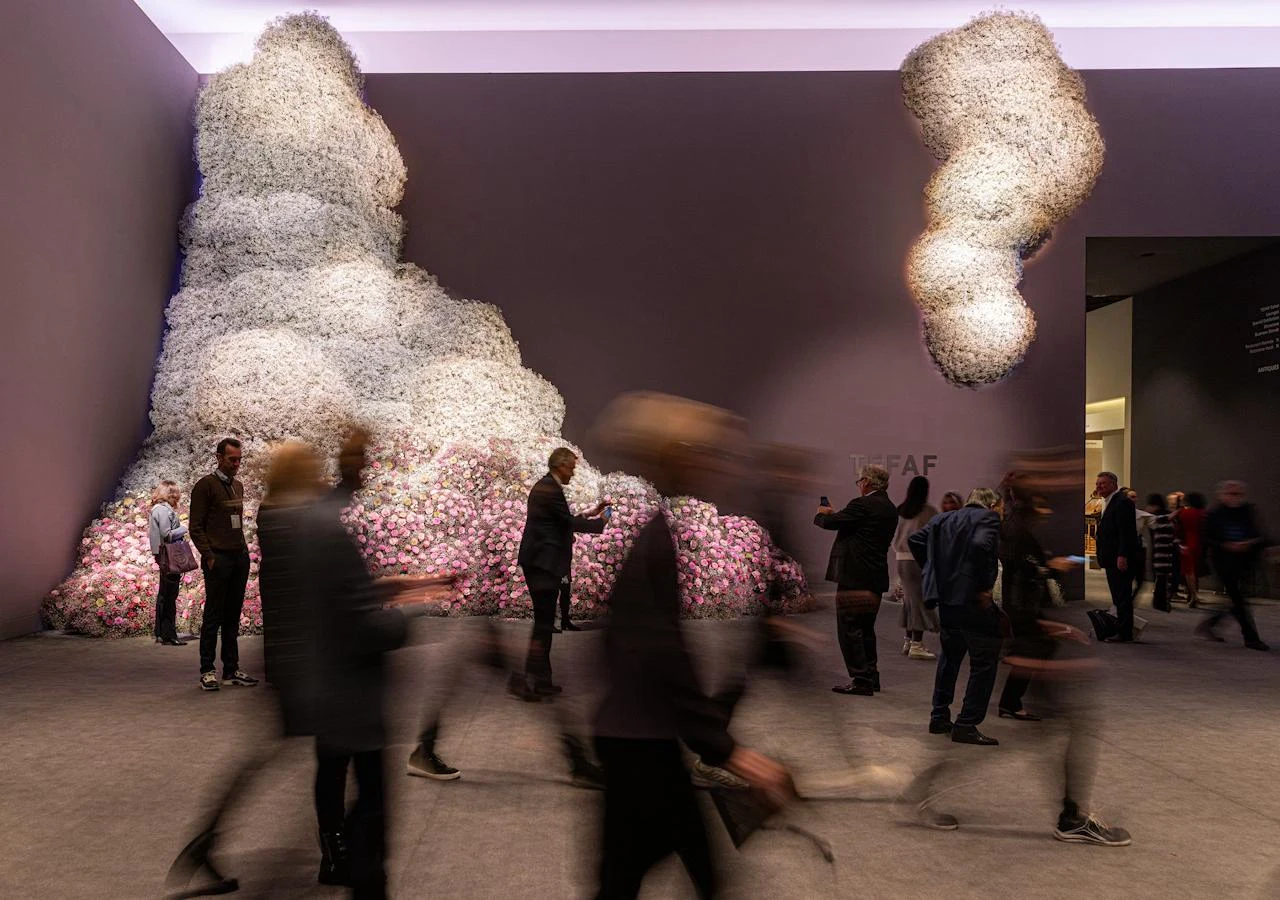
Beyond TEFAF: a strategic museum guide for Maastricht week
TEFAF week is not only a fair-floor sprint. This guide maps high-value museum exhibitions in Maastricht, Amsterdam, The Hague, and Cologne that sharpen context, improve acquisition judgment, and reward close looking.

How to Start Collecting Art in an Expensive Market (Without Pretending You’re a Billionaire)
A practical buying framework for new and mid-level collectors navigating widening price gaps, from budget architecture and edition diligence to gallery relationships, documentation, and pacing.

How to Navigate Destination Art Fairs Without Overpaying for Atmosphere
A practical framework for collectors evaluating boutique destination fairs in places like Aspen, Mallorca, and Pioneertown, where intimacy can improve discovery but also blur price discipline.

How to Read Yves Klein and Claude Parent's Architecture of Air in 2026
A practical guide to understanding the architecture of air as a design program about environmental control, political space, and immaterial form rather than an art-historical curiosity.
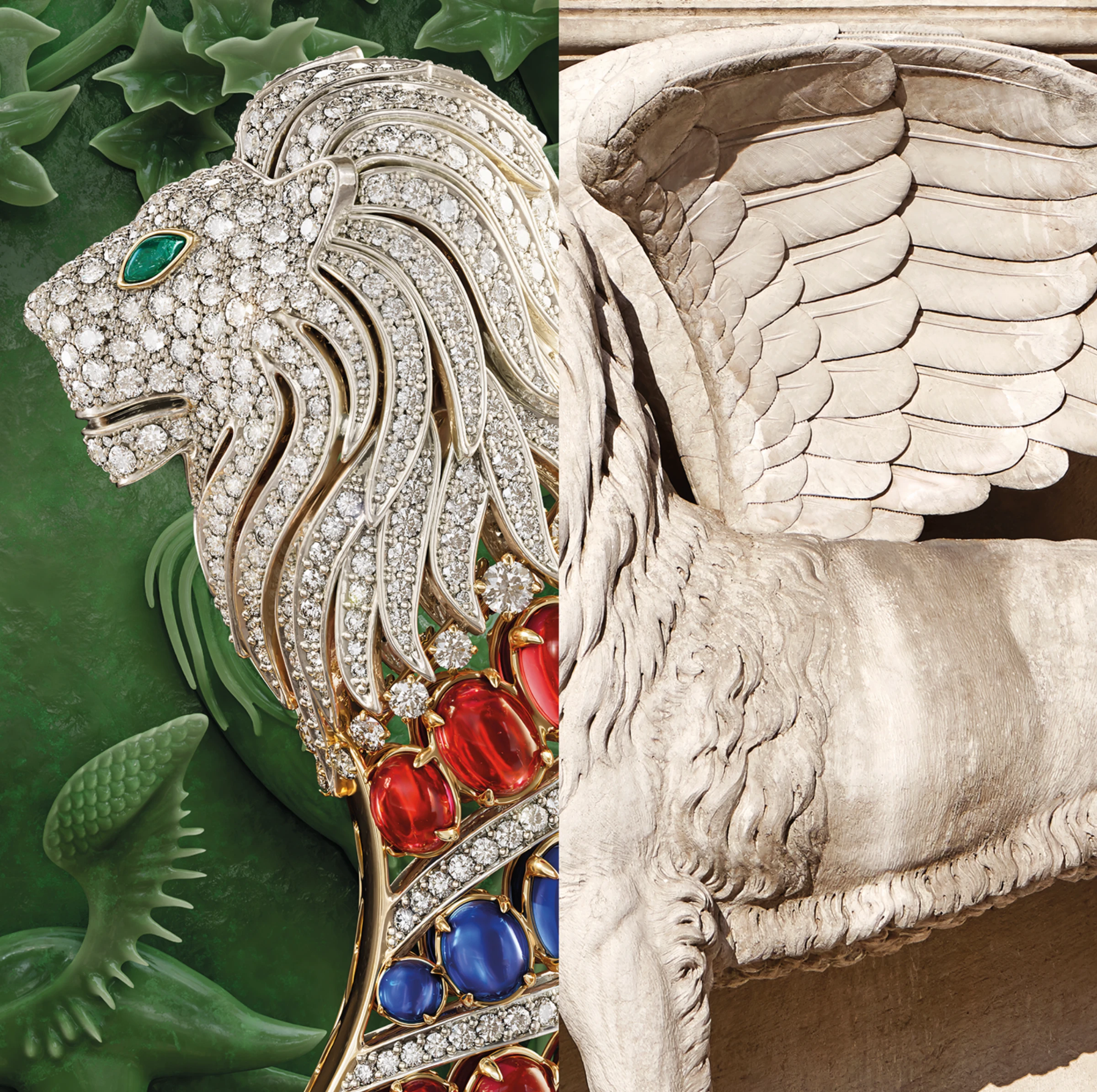
Venice Biennale 2026 Guide: How to See the New Bvlgari Pavilion and Marciana Collateral Installations
A practical route for seeing Bvlgari's two-part Venice program across Giardini and Biblioteca Marciana, with timing, access, and curatorial context for one-day visitors.
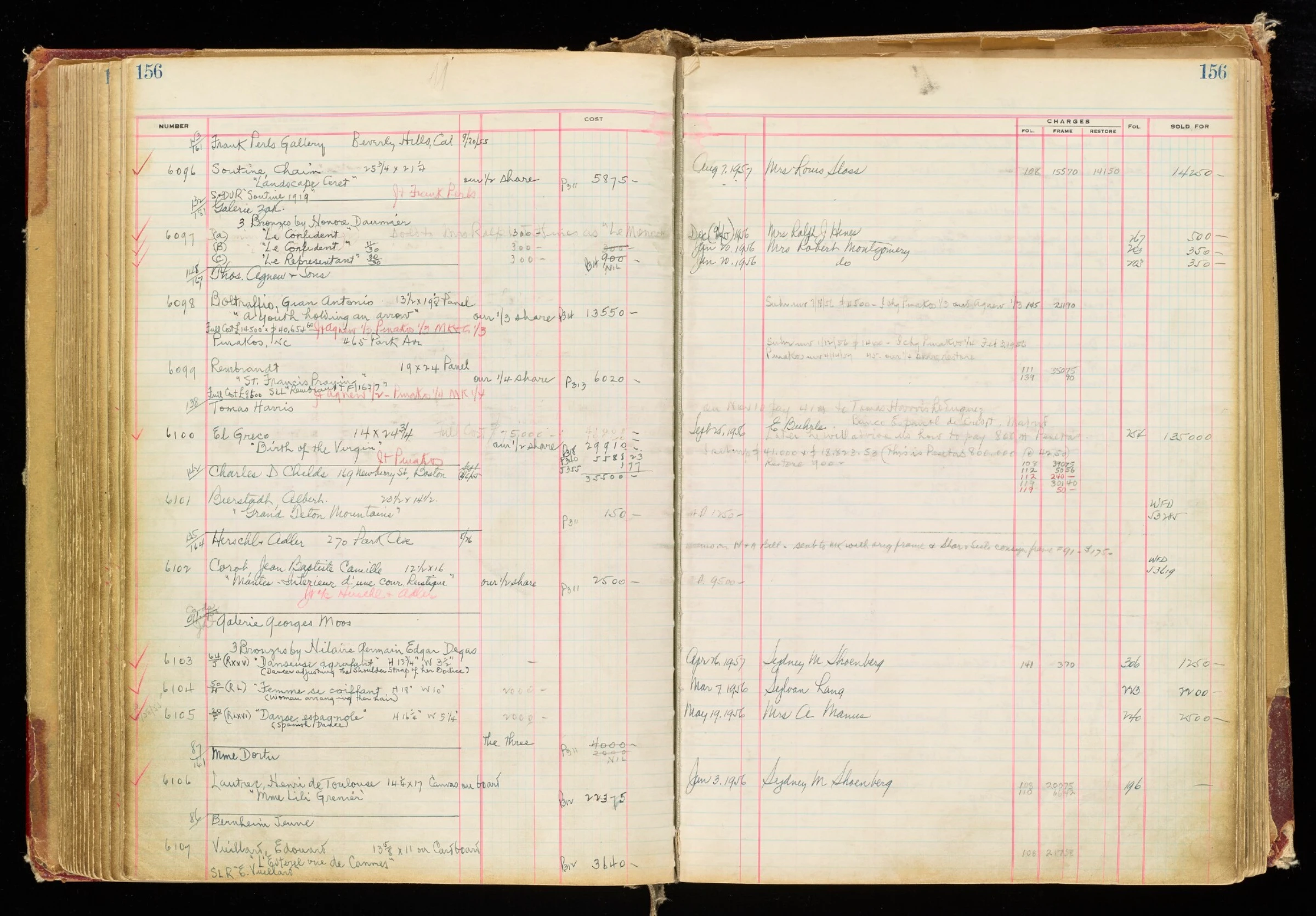
How to Read a Catalogue Raisonne
A catalogue raisonne is the most rigorous instrument available for assessing an artist's complete body of work. Knowing how to use one is essential for collectors, researchers, and anyone navigating the secondary market.
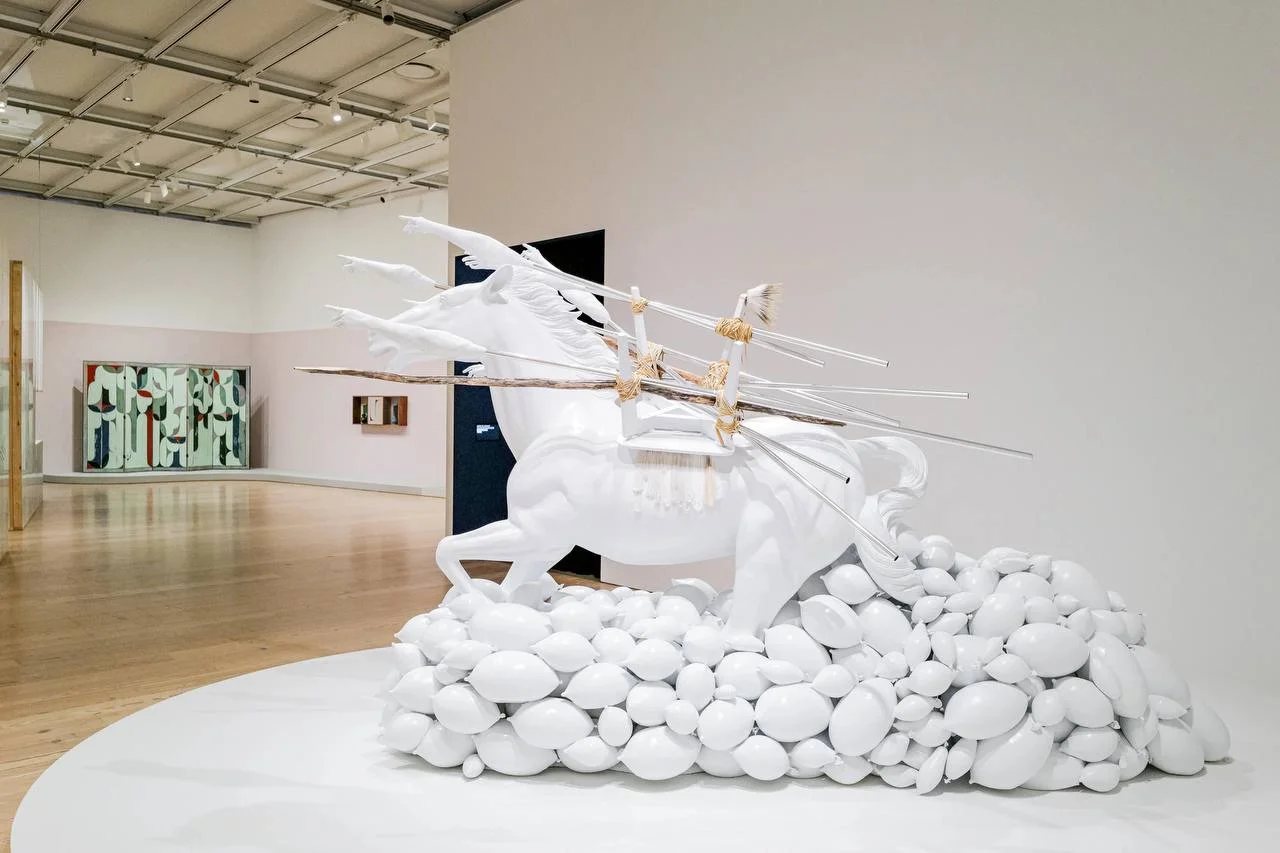
How to See the Whitney Biennial 2026 in One Focused Afternoon
A practical route through key floors, viewing priorities, and pacing tactics for visitors who want a serious first pass through the 2026 Whitney Biennial without defaulting to checklist fatigue.

Sotheby's Trophy Consignment Risk Playbook 2026: How to Bid Big Without Losing Discipline
A practical framework for collectors and advisors navigating nine-figure consignments in 2026, with clear rules for underwriting, guarantees, sequencing, and post-sale execution.

ARCO Madrid 2026 Market Read Guide: What Collectors Should Track Beyond Headlines
A practical framework for reading ARCO Madrid 2026 with institutional discipline: which signals matter, how to separate noise from conviction, and where to act in real time.
London Evening Sales Discipline Playbook 2026: How to Bid Without Losing Edge
A practical discipline framework for navigating London evening sales with tighter limits, cleaner sequencing, and better post-sale execution.

How to Assess Museum Deaccession Offers in 2026 Without Overpaying or Overreaching
Museum deaccession channels are creating more private buying opportunities, but they also carry valuation, governance, and reputational risk. This guide maps a practical framework for collectors and advisors who want conviction with discipline.
How to Commission a Work of Art: A Guide for Collectors and Institutions
Commissioning an artwork directly from an artist is one of the most consequential decisions a collector or institution can make. This guide covers everything from initial conversations to contract terms, delivery, and installation.
10 Must-See Exhibits in Los Angeles in March 2026
From museum-scale surveys to tightly focused gallery debuts, here are ten Los Angeles exhibitions to see in March 2026. Los Angeles in March is less about.